The air in the province changes long before the snow begins to fall. It carries a specific kind of chill, one that has nothing to do with the drop in the thermometer and everything to do with the way people look at each other in grocery store aisles.
For Amina, who arrived in Calgary three winters ago with a suitcase full of spices, thick sweaters, and quiet hopes, the shift was subtle at first. A lingering glance by the dairy case. A sigh from a cashier when she asked for clarification on a receipt. Then, the conversations outside the community center shifted. People weren't just talking about inflation, housing prices, or healthcare waiting lists anymore. They were talking about borders. They were talking about belonging. And behind every whispered debate about upcoming regional referendums and political autonomy, Amina heard a sharper question underlying the policy discourse: Do you actually belong here?
Across Alberta, immigrant groups are raising an alarm. Racism is not a new resident here; it has a long, stubborn history etched into the prairies, often buried beneath a veneer of rugged individualism and polite neighborliness. But right now, something heavier is settling over the streets. As political leaders spar over jurisdictional power, provincial identity, and high-stakes referendums, the rhetoric trickles downward. It pools in schoolyards, on transit platforms, and in local coffee shops.
Consider what happens when a community is constantly told it is a burden.
Statistics tell part of the story. Hate crimes and reported incidents of discrimination have climbed steadily in urban centers like Calgary and Edmonton, as well as in smaller rural towns experiencing rapid demographic shifts. But numbers rarely capture the human cost. They don't measure the heavy sigh a mother lets out before sending her teenage son to the bus stop. They don't quantify the sleepless nights spent wondering if a casual comment from a coworker was just a bad day or a sign of an escalating tide.
To understand this tension, we have to look at how political anxiety weaponizes identity. When economic pressures mount—when the cost of living surges and the future feels precarious—human beings naturally look for anchors. Unfortunately, human history shows that we also look for scapegoats.
Imagine a hypothetical long-time resident, a man named Tom whose grandfather broke the stubborn Alberta sod with his own hands generations ago. Tom loves this land. He knows the bite of a chinook wind and the golden hue of canola fields at dusk. But Tom is scared. His job in the energy sector feels less secure than it used to, his grocery bills have doubled, and the world he grew up in seems to be shifting beneath his boots faster than he can track.
When a political campaign arrives at his door or blares from his television, whispering that his way of life is under threat from outsiders—from immigrants who don't share his history, who didn't build the barns or lay the tracks—it offers a comforting, simple villain. It channels legitimate economic fear into misplaced cultural resentment.
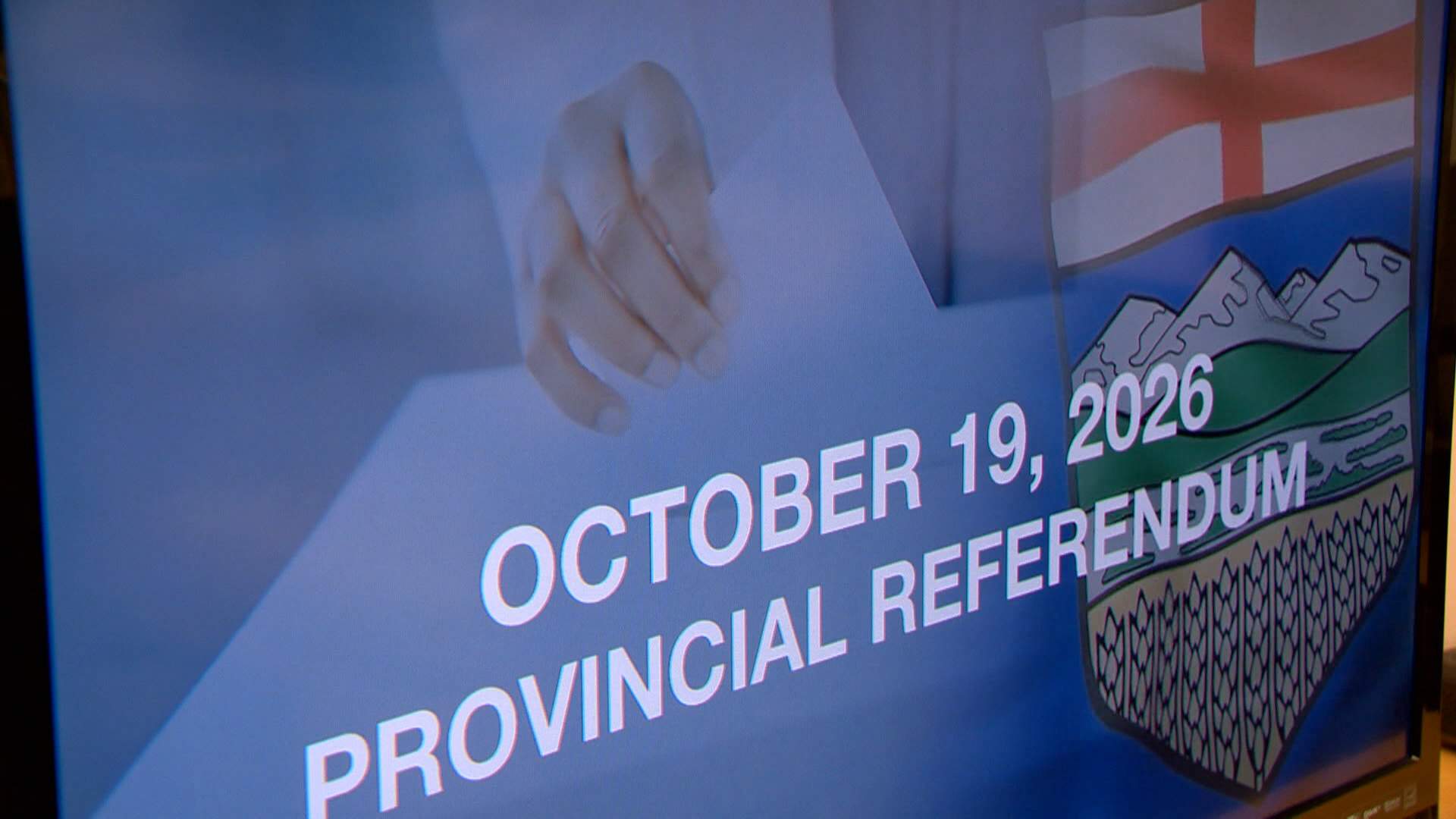
The referendum becomes a lightning rod. It is framed as a vote on autonomy, on fairness, on standing up to distant federal powers. But on the ground, away from the podiums and press releases, the conversation takes on a darker texture. For marginalized communities, these votes feel less like democratic exercises and more like referendums on their very presence.
Amina feels it every time she turns on the local news. The debates over provincial sovereignty often blur dangerously into discussions about who gets to claim the title of a true Albertan. The unspoken subtext is a dangerous division: us versus them.
Yet, beneath the rising friction, another reality persists. The prairies were never built by a single set of hands. From the Indigenous nations who stewarded these lands for millennia, to the Ukrainian, Chinese, Irish, and Scottish settlers who laid the foundations of the modern economy, to the newcomers arriving today from Nigeria, Syria, the Philippines, and beyond, this province has always been an experiment in coexistence.
When we fracture that experiment, we lose the very resilience that makes the harsh winters survivable.
Community advocates and cultural leaders across the province are working overtime to bridge the gap. They are hosting town halls, organizing cultural exchanges, and urging politicians to tone down inflammatory rhetoric. They know that once the social fabric starts to fray, repairing it takes generations. They walk door to door, organizing workshops, sitting down with skeptical neighbors, and sharing meals to prove a simple, radical truth: human dignity does not require a birth certificate signed a century ago.
The referendum will come and go. The ballots will be cast, the results will be tallied, and the political machinery will march on to the next crisis.
But the neighborhood will remain.
The question facing Alberta is not merely legal or constitutional. It is moral. It asks whether a society built on the frontier spirit of mutual aid can remember how to extend that grace outward, toward the newest faces around the fire.
Outside Amina’s window, the first genuine snow of the year begins to fall, blanketing the prairie in an immaculate, blinding white that hides every division, every fence line, and every harsh word beneath a quiet, enduring calm.