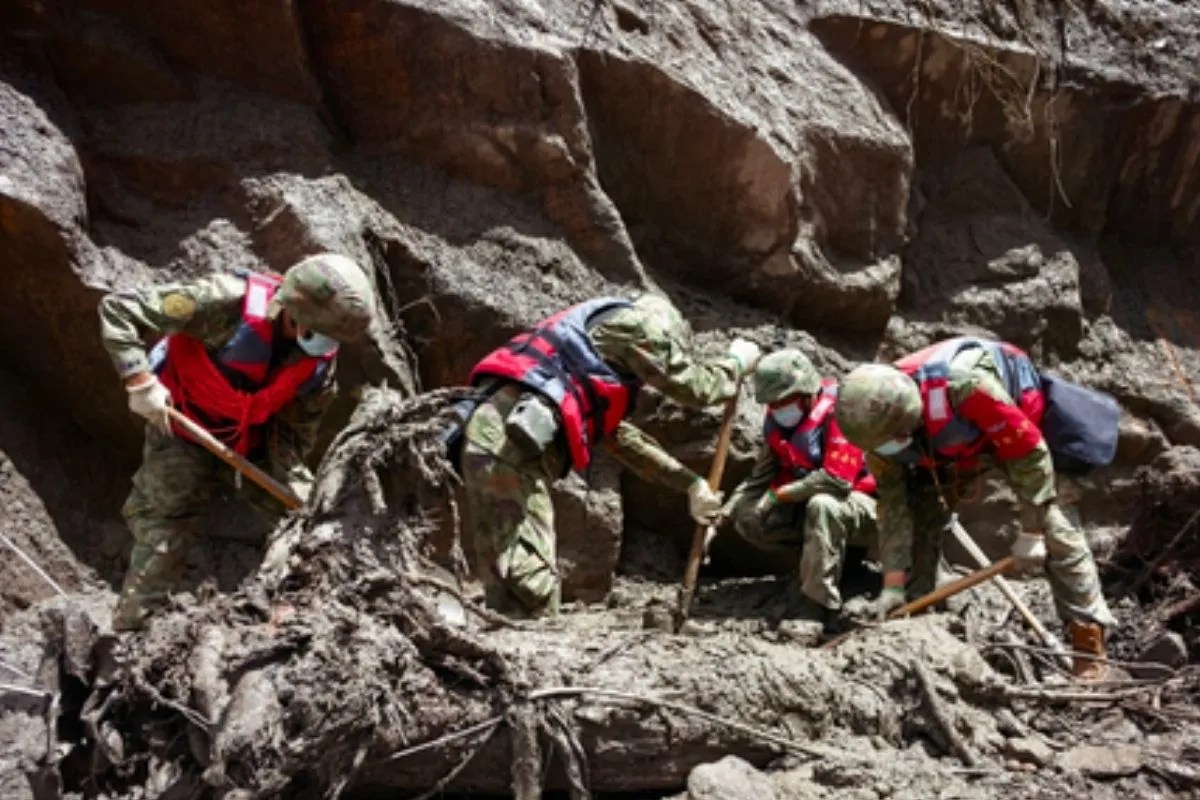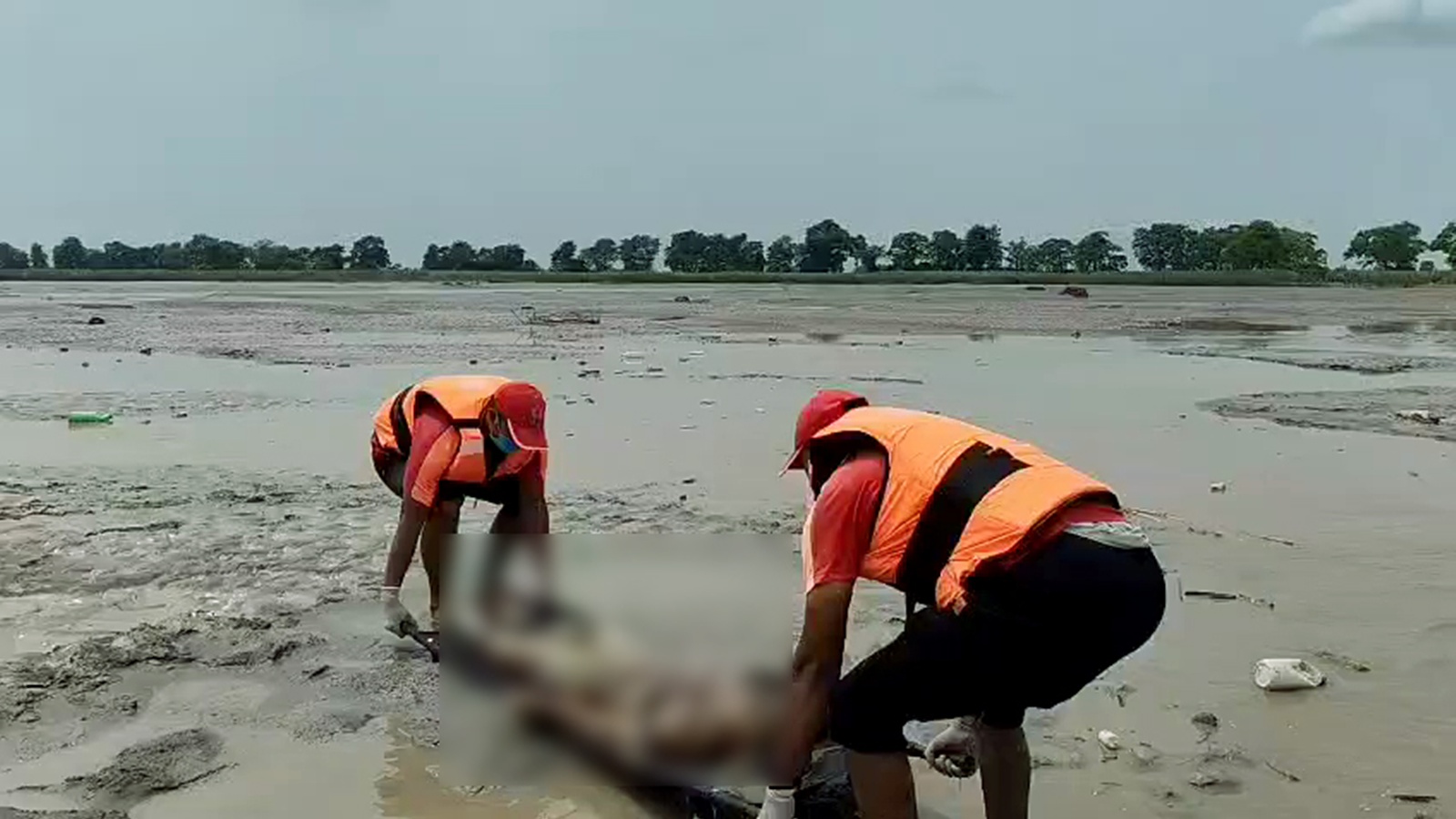
Climate disasters rarely announce themselves with grand declarations. They arrive in the middle of the night, heralded by the dull roar of a swelling river and the sickening slide of saturated earth. When a flash flood tears through the fragile borderlands shared by China and Nepal, the official statements usually focus on emergency response metrics, tallying displaced families and washed-out bridges with sterile administrative precision.
Yet beneath the bureaucratic reports lies a more dangerous reality. The viral footage of a lone police officer guiding citizens away from a collapsing border post on the China-Nepal frontier is not merely a story of individual heroism. It is a terrifying window into systemic infrastructure failure across the Himalayas. Extreme weather events are outstripping the engineering capacity of two nations locked in difficult geopolitical terrain, exposing trade corridors, remote communities, and security installations to catastrophic risk.
The Geography of Vulnerability
The high-altitude border between China and Nepal is an unforgiving operating environment. Glacial lakes swell in the upper reaches of the Tibetan Plateau, dammed only by loose piles of rock and debris known as moraines. When intense monsoon rains slam into these already fragile ecosystems, the natural dams burst. The resulting torrents race down narrow gorges with terrifying velocity, transforming placid mountain streams into walls of mud and boulders.
Border posts in these regions are historically engineered for sovereignty, not survival. Built decades ago on flat alluvial fans near riverbanks because valleys offered the only viable flat ground, these installations sit directly in the path of historical debris flows.
Modern engineering standards have been slow to catch up with the shifting climate reality. While both Beijing and Kathmandu pour billions into trans-Himalayan connectivity projects—including planned railways and expanded trade ports—the physical ground beneath these projects is literally giving way.
The economic fallout of these boundary disasters extends far beyond local property damage. The Rasuwagadhi and Tatopani border crossings serve as critical lifelines for bilateral trade, funneling manufactured goods from China into the landlocked Nepalese market. When floods knock out access roads and sweep away customs posts, supply chains instantly fracture.
Small-scale traders and large import firms absorb the shock, facing weeks of stranded cargo and skyrocketing logistical costs. Insurance markets in the region are buckling under the weight of recurring climate losses, making it increasingly difficult for commercial operators to secure coverage for transport fleets operating along the northern corridors.
Downstream Geopolitics
Governments often respond to transboundary environmental crises with diplomatic friction rather than joint technical solutions. Managing shared river basins requires unprecedented levels of real-time hydrological data sharing. Yet trust between regional powers remains fragile, hampered by historical border disputes and competing strategic ambitions in South Asia.
When upstream development alters river flows or glacial monitoring data is withheld, downstream communities pay the price. Nepal absorbs the brunt of glacial lake outburst floods originating in Tibet, forced into a reactive posture with limited early-warning infrastructure.
Sirens and satellite links cost money, and municipal budgets in mountain districts are perpetually strained. The burden falls heavily on frontline security personnel—the police officers and border guards stationed at remote outposts who must rely on intuition and visual cues rather than advanced telemetry to warn residents downstream.
Engineering the Future or Retreating
Traditional disaster management assumed that extreme weather events were anomalies. That framework is obsolete. Rebuilding washed-out border infrastructure in the exact same location using traditional methods is an exercise in fiscal waste and mortal peril.
Engineers face stark choices. Relocating critical customs hubs and security installations to higher ground requires massive capital expenditure and compromises the operational convenience of valley-floor trade routes. Hardened concrete barriers and diversion channels offer temporary protection, but they frequently fail when confronted with catastrophic debris loads that dwarf historical maximums.
A realistic path forward demands a complete redesign of how nations inhabit high-risk mountain corridors. Governments must abandon the assumption of permanence in dynamic river zones, shifting toward modular, movable infrastructure and decentralized community-led response networks.
The video of the officer pulling citizens from the brink will fade from social media feeds, replaced by the next viral tragedy. The rivers, however, will continue to rise.