The scent of fresh drywall always carries a quiet cruelty. It smells like beginnings, but it lingers over a foundation poured in grief.
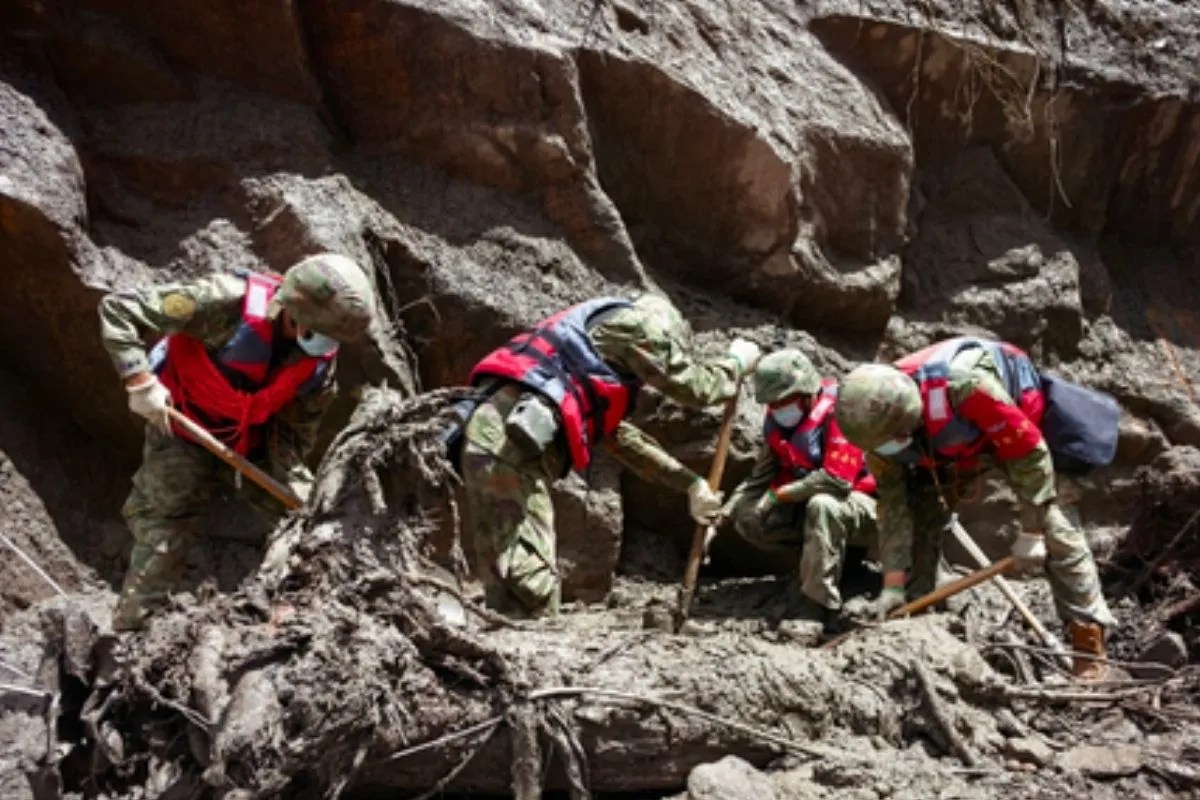
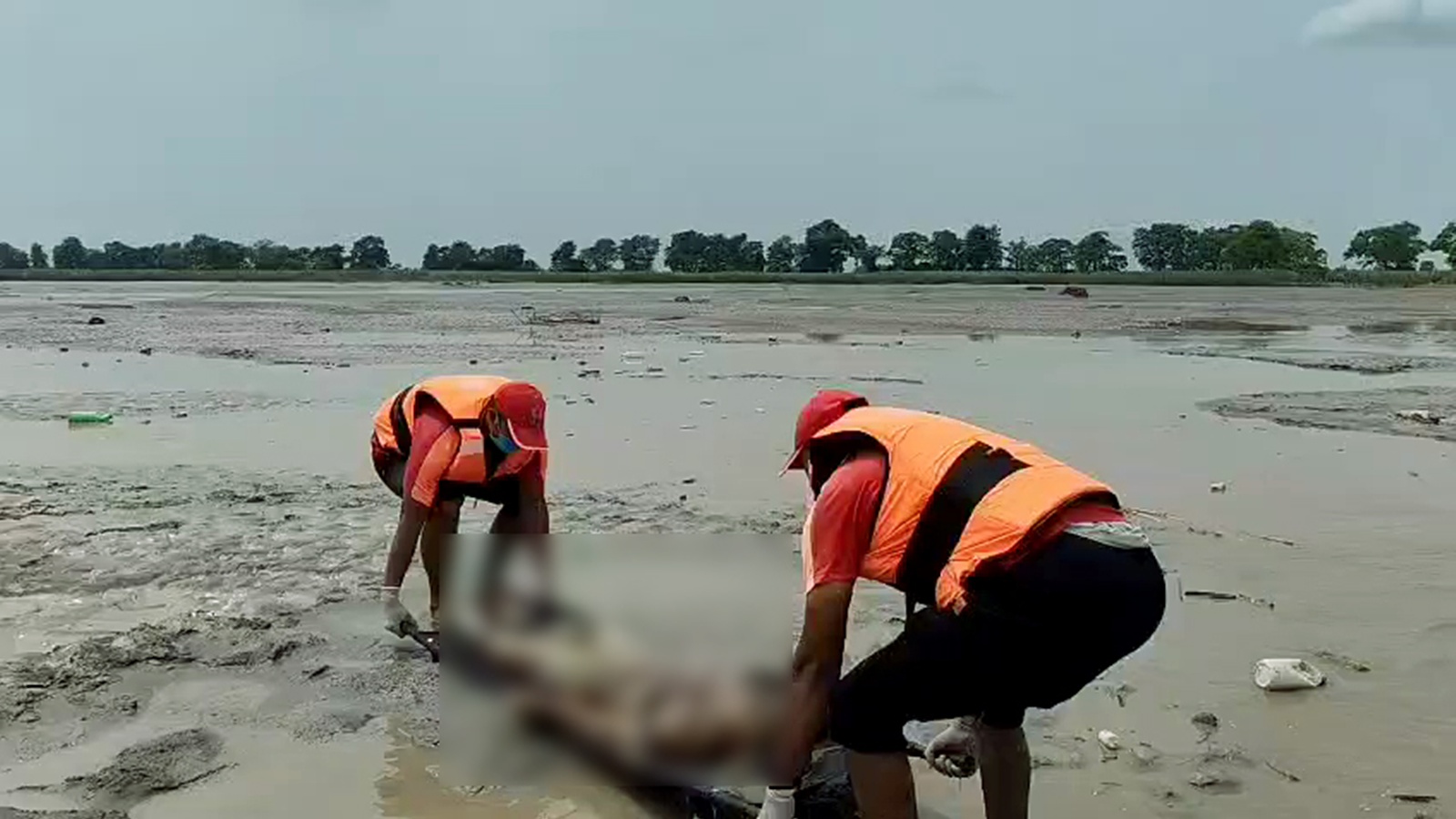
Morning arrives early in Tai Po. The air is thick, humid, and heavy with the kind of stillness that refuses to forget. Step out onto the newly paved grounds of the relocated school, and you can still hear the phantom echoes of sirens that pierced the night months ago. That was when the Wang Fuk Court blaze tore through lives with a terrifying, indiscriminate hunger. Walls crumbled. Families fractured. A community was left standing in the smoking ruins of what used to be ordinary Tuesday afternoons.
Education is often sold to us as an abstraction. We talk about test scores, curriculum updates, and funding allocations as if they exist on a spreadsheet, untouched by blood and breath. But walk these halls now, and you realize how desperately false that comfort is.
When a community burns, the children are left holding the ashes.
Consider a hypothetical student—let us call her Chloe, though she is a composite of a hundred young faces carrying the same invisible weight. Chloe used to sit in a third-floor classroom overlooking the courtyard at Wang Fuk. She knew the exact creak of the floorboard near the doorway. She knew which fluorescent bulb flickered when the afternoon rains rolled in. That room is gone now. The neighborhood that housed her friends, her favorite noodle stall, and her sense of gravity was violently rewritten by fire.
How do you teach calculus to a child whose world has just been reduced to zero? How do you open a textbook when the last book you touched was scorched black?
That is the quiet crisis that met the administrators, teachers, and officials tasked with opening this new Tai Po campus. This was never a simple logistical relocation. You cannot simply pack up desks in cardboard boxes and expect children to unpack their courage on the other side of town. The transition required an alchemy of steel, cement, and fierce, unyielding empathy.
Heavy machinery had barely finished clearing the debris across the district when the blueprints for the temporary and permanent campus solutions were unrolled under harsh desk lamps. Engineers rushed. Bureaucrats bypassed the usual red tape not with grand speeches, but with frantic signatures scribbled past midnight. They understood a fundamental truth that spreadsheets miss: a closed school is a secondary disaster. Every week a child spends out of a classroom is another week the trauma hardens into something permanent.
So they built.
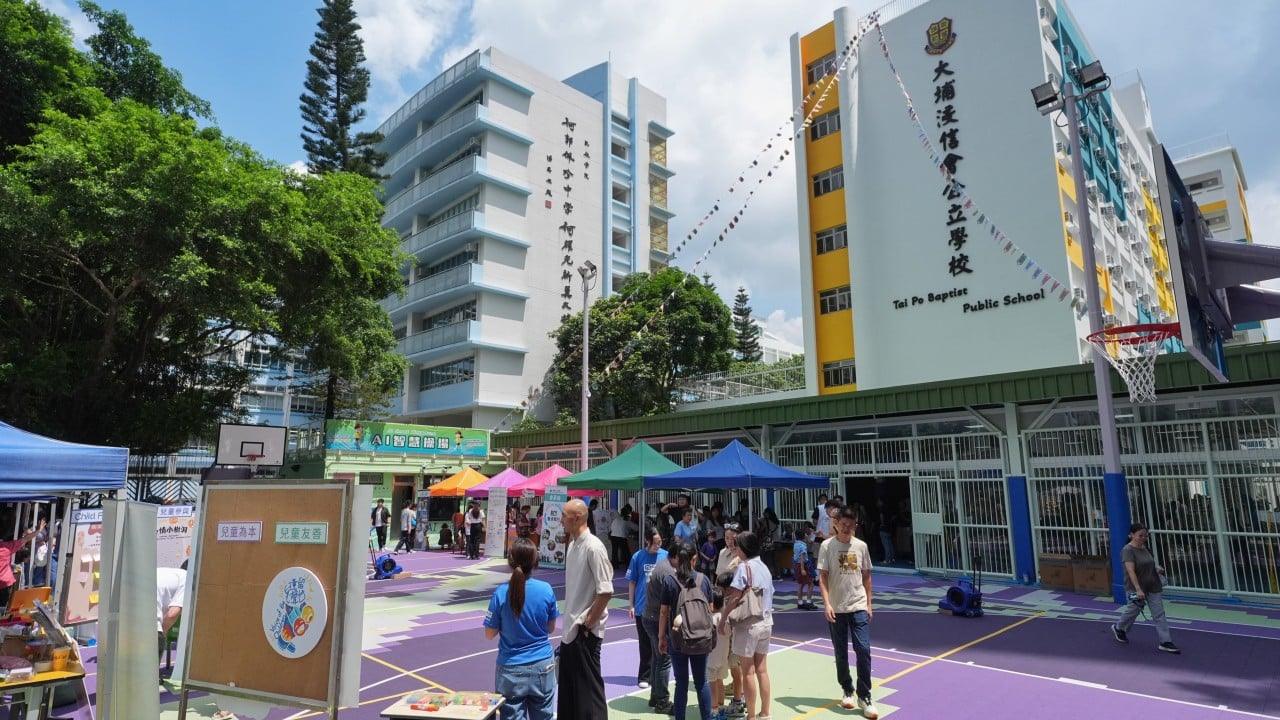
The new campus stands as an answer to an unspeakable question. It is bright, engineered with wide corridors designed to pull the sunlight deep into the interior, pushing back against the shadows of the past. The architects—operating under guidelines influenced by post-disaster psychology—deliberately avoided stark, clinical whites, opting instead for warm, grounding timber tones and muted greens. Every detail was weighed against a single metric: Will this make a frightened child feel safe?
On opening morning, the gates creaked open.
There were no marching bands. There were no politicians cutting ribbons with oversized scissors. That would have felt profane against the backdrop of what Tai Po endured. Instead, there was just the shuffle of sneakers against pristine concrete and the hesitant hum of young voices testing the acoustics of a brand-new gymnasium.
Teachers stood at the entrance. They did not smile too brightly—children see right through performative joy. Instead, they offered steady nods, the kind that communicate an unspoken pact: You survived. We are here. We begin again.
One veteran teacher, her eyes lined with the exhaustion of sleepless weeks spent organizing psychological first-aid workshops, watched a group of seventh-graders navigate the new lockers.
"The building is safe," she whispered, her voice tight. "Now we have to make the world feel safe again."
That is the true weight of this new campus. It is not merely a collection of classrooms designed to meet regulatory standards or absorb displaced student bodies. It is a monument to human stubbornness. It is the tangible proof that destruction does not get the final word.
When the fire came for Wang Fuk Court, it took structural walls, precious heirlooms, and lives that can never be replaced. But standing here today, watching the morning bell scatter children toward their respective homerooms, you realize something essential. You can burn the buildings, you can choke the streets with smoke, and you can shatter the illusion of safety. But you cannot extinguish the stubborn, desperate human compulsion to teach the next generation how to read, how to calculate, and how to hope.
The chalk hits the board. The dust settles. The lesson begins.