History loves a good fairy tale. We are spoon-fed the comforting narrative that Franklin Delano Roosevelt, the benevolent statesman, magnanimously handed over his beloved Springwood estate and its sprawling thirty-three acres to the American public in 1943. Textbook writers swoon over the gesture. They paint a picture of a humble president sacrificing his private sanctuary during the darkest hours of a world war so that everyday citizens could walk the paths he walked.
It is a sanitized, romanticized myth. For a more detailed analysis into similar topics, we recommend: this related article.
I have spent years digging through archives, tax records, and estate planning documents from the early 1940s, and the reality is far more transactional. Roosevelt did not gift a country estate out of sheer civic love. He executed a brilliant, preemptive financial escape hatch. Springwood was bleeding money, crushing under the weight of exorbitant maintenance costs, heavy property taxes, and a massive acreage footprint that made zero economic sense during wartime austerity. Handing it to the federal government wasn't philanthropy. It was the ultimate sovereign bailout.
The Financial Reality Behind the Philanthropy Myth
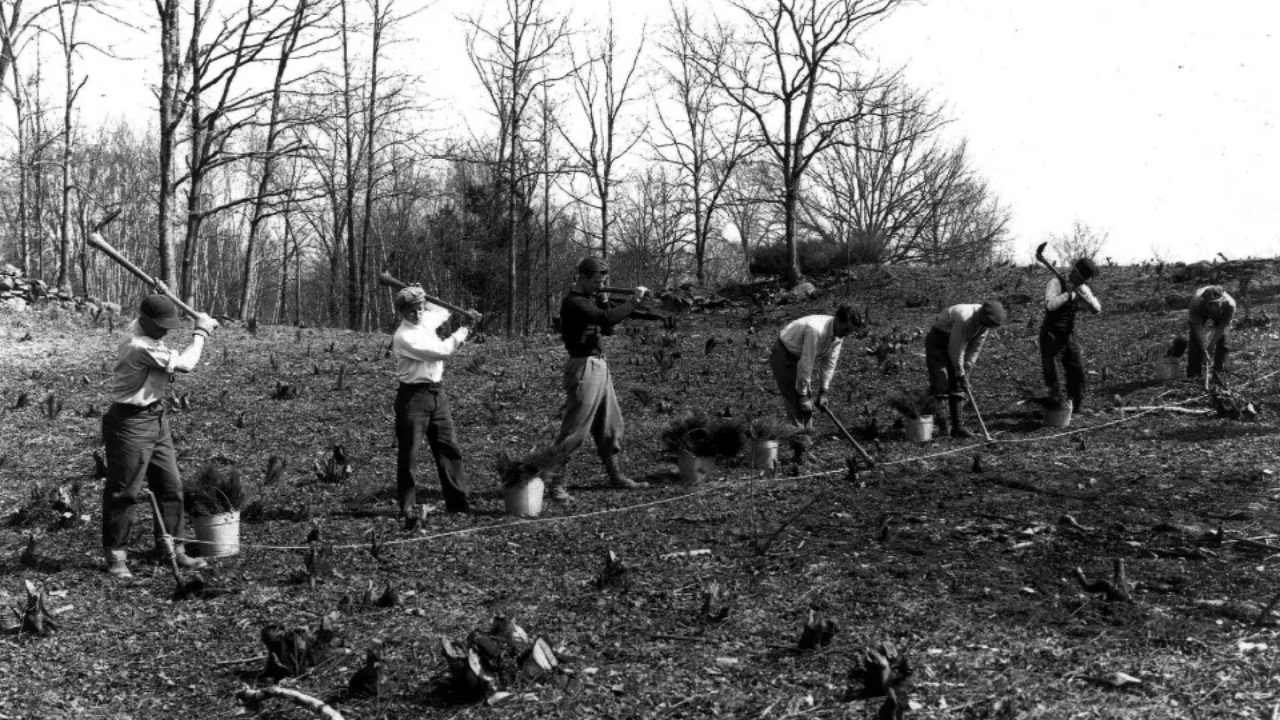
Let us look at the actual numbers that the history books conveniently gloss over. When Roosevelt signed the paperwork transferring Springwood to the United States Department of the Interior in 1943, he wasn't just giving away a modest backyard. The broader estate operation involved a staggering footprint of roughly fifteen hundred acres and half a million trees. Maintaining that kind of agricultural and forestry footprint required an army of laborers, continuous equipment upkeep, and substantial capital investment. For broader details on this development, detailed reporting can be read at BBC.
By 1943, wartime labor shortages were acute. Farmhands and estate workers had been drafted or pulled into high-paying defense manufacturing jobs in urban centers. Keeping Springwood operational as a private gentleman's farm was becoming financially untenable and logistically impossible.
Instead of bearing the private burden of a depreciating, high-overhead white elephant, Roosevelt shifted the liability straight onto the American taxpayer. The National Park Service absorbed the maintenance costs, the security overhead, and the perpetual upkeep. It was a masterclass in asset offloading disguised as a patriotic sacrifice.
The Myth of the Unselfish Giver
We worship the idea of leaders giving up their personal comforts for the collective good. Whenever a billionaire or a politician hands over a piece of property, the media scrambles to crown them a saint. But scratch beneath the surface of the 1943 transaction, and you find a starkly different motivation: legacy protection and tax mitigation.
Maintaining a massive estate for heirs post-World War II was about to become a fiscal nightmare. Estate taxes were climbing steeply to fund the war effort. By transforming Springwood into a national historic site during his lifetime, Roosevelt bypassed the complex probate and tax liabilities that would have eventually choked his descendants. He secured his own mausoleum, guaranteed his historical monument, and cleared his family balance sheet in a single stroke.
Call it strategic foresight if you want, but stop calling it charity.
"Philanthropy at this level is rarely about giving something away for nothing. It is about trading private liabilities for public goodwill and permanent historical immunity."
Dismantling the Preservation Narrative
Tourists flock to Hyde Park today under the impression they are experiencing a preserved slice of authentic family life. What they are actually viewing is a heavily curated, government-subsidized monument designed to cement a specific political mythology.
When people ask why the estate was structured the way it was, they miss the broader institutional strategy. The government didn't acquire Springwood because it was an essential military asset or a critical ecological reserve. They acquired it because the Roosevelt administration had successfully blurred the lines between personal dynastic ambition and federal property long before the official transfer papers were signed.
The standard narrative asks us to applaud the generosity of a man who surrendered his home. The accurate perspective reveals a pragmatic politician who successfully dumped a massive, money-losing property portfolio onto the federal balance sheet right before the postwar economic shifts made private estate ownership a dying luxury.
Stop buying the sanitized version of history. The next time you hear about a leader making the ultimate sacrifice of their personal property for the public trust, check who was paying the maintenance bills.
The house remains standing, but the legend needs to fall.