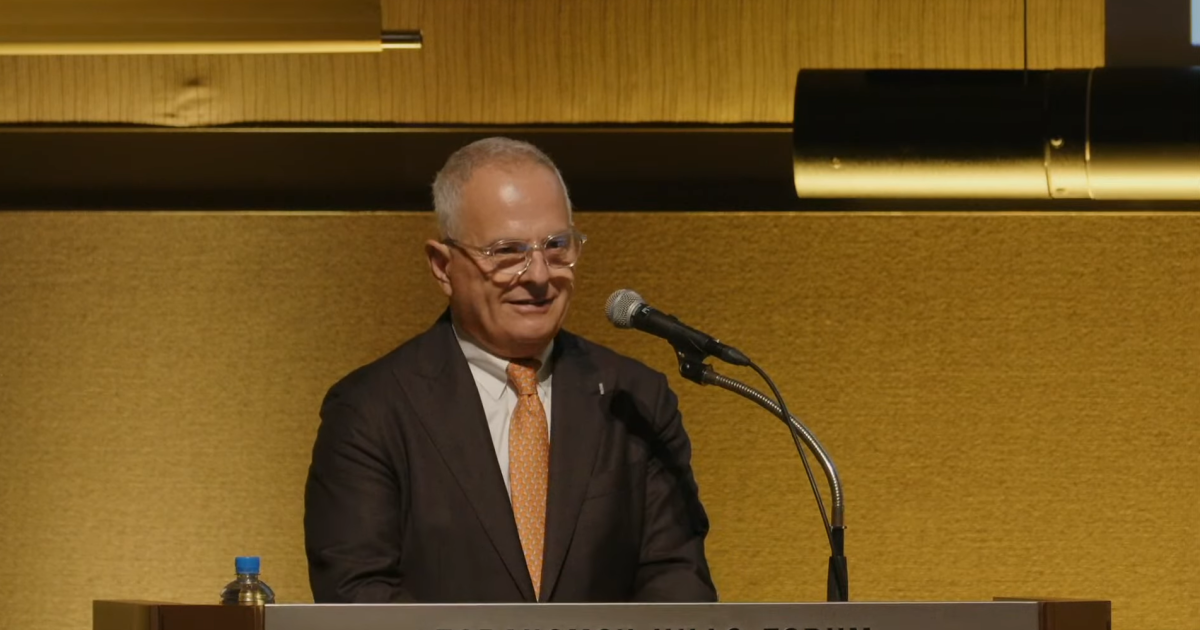
Politics in New York usually moves with the speed of a stalled subway train. You hear a lot of noise, but you aren't actually going anywhere. Zohran Mamdani decided to change that pace. When he took the stage recently to recount his first 100 days in office, he didn't give the usual dry legislative report. He laid out a roadmap for how a democratic socialist actually functions when they get their hands on a piece of the government. People expected a honeymoon period. They didn't get one. Instead, the city saw a blitz of housing advocacy and transit reform that has already started to irritate the old guard in Albany and City Hall.
I've watched plenty of freshmen legislators get swallowed by the system. They walk in with big dreams and walk out two years later voting for whatever the leadership tells them to. Mamdani's start feels different. He’s using his platform as a megaphone rather than a secret handshake. It’s about making the invisible visible. If you enjoyed this post, you should read: this related article.
Why the 100 Days Metric Actually Matters
Most people think the "first 100 days" is just a catchy phrase invented by FDR's PR team. In the context of New York politics, it’s the only time you have enough momentum to scare people into listening. If you don't set a tone immediately, the bureaucracy will mold you into just another suit. Mamdani used this window to prove that his campaign wasn't a fluke.
He didn't spend these weeks at gala dinners or shaking hands with lobbyists. He spent them on picket lines and in the hallways of public housing complexes. It’s a strategy built on the idea that power doesn't come from the legislative chamber—it comes from the people standing outside it. This isn't just about optics. It's about changing who the government feels accountable to. When a politician spends their first three months focused on basement apartments and bus speeds, the real estate developers and transit contractors start to sweat. For another angle on this story, refer to the latest coverage from Al Jazeera.
The Transit Fight Is About Dignity
The center of Mamdani's early work has been the MTA. Specifically, the "Fix the MTA" platform. For anyone who lives here, the subway isn't a luxury. It's a lifeline. But for years, the state has treated it like a piggy bank or an annoying chore. Mamdani’s push for "Free Bus" pilots and frozen fares isn't just a radical dream. It’s a practical necessity for the millions of New Yorkers who are currently choosing between a swipe of a MetroCard and a gallon of milk.
One of the biggest wins discussed during his stage presentation was the push for expanded bus service. Buses are often ignored because they aren't as "sexy" as massive tunnel projects, but they carry the city’s essential workers. Mamdani argued that if we can subsidize billionaire developers with tax breaks, we can certainly find the money to make sure a nurse can get to work for free. It’s a simple argument. It’s also one that makes the fiscal hawks lose their minds.
The pushback he faces is always about the budget. "Where does the money come from?" they ask. Mamdani's answer is consistent: tax the people who have been getting a free ride at the top for decades. He’s not interested in "finding efficiencies" in the pockets of the poor. He wants to restructure the entire financial priority list of the state.
Housing Is the Hill to Die On
You can't talk about Mamdani without talking about Good Cause Eviction. New York is currently facing a housing crisis that is literally hollowing out neighborhoods. Working families are being pushed further and further to the margins. During his first 100 days, Mamdani made it clear that he isn't interested in the "middle ground" on housing.
The real estate lobby is the most powerful force in New York. They have more money than God and more lawyers than the city has rats. Mamdani has basically declared war on them. He spent his early days organizing tenants in Astoria and beyond, teaching them how to fight back against predatory rent hikes. This is where his background as a foreclosure counselor shines. He knows the paperwork. He knows the tricks landlords use. He isn't just an activist with a Twitter account; he’s a technician who understands how the machinery of displacement works.
The skepticism from his colleagues is loud. They call his approach "unproductive" or "too confrontational." But if you’re a tenant whose rent just jumped $500, "productive" conversation with a landlord hasn't helped you. Confrontation is the only tool left.
The Reality of Being an Outsider Inside the Room
It’s easy to be a revolutionary on a stage. It’s much harder when you’re in a committee meeting and everyone wants you to fail. Mamdani’s first 100 days have been a masterclass in navigating that tension. He has to balance being a loyal member of the socialist movement with being an effective member of the Assembly.
Sometimes that means compromising on the wording of a bill to get it passed. Other times it means being the only "no" vote on a budget that hurts his constituents. It’s a tightrope. Critics love to say he’s just performing for his base. But look at the data. Look at the number of constituent cases his office has closed. Look at the specific language he’s managed to insert into the statewide conversation about public power. That’s not performance. That’s work.
He’s also redefined what a "town hall" looks like. The stage event wasn't a boring PowerPoint presentation. It was a narrative. He told the story of his first 100 days through the eyes of the people he met—the delivery workers, the elderly residents in NYCHA, the students. It humanizes the policy. It makes the "realms" of legislative jargon feel like real life.
What This Means for the Rest of Us
Even if you don't live in Astoria or care about New York politics, Mamdani's start provides a blueprint. It shows that you can win an election without selling your soul to corporate donors. It shows that you can stay true to a radical platform even when the establishment tries to freeze you out.
The biggest mistake people make is thinking that one person can fix everything in 100 days. They can't. What they can do is change the standard of what's possible. Mamdani hasn't solved the housing crisis or fixed the trains yet. But he’s made it so that the people in power can no longer ignore these issues. He’s moved the goalposts.
If you want to see how this plays out, don't look at the news cycles. Look at the next budget cycle. Look at whether the "Good Cause" movement keeps growing. Look at whether more free bus lines appear on the map. The first 100 days were the opening act. The real test is the endurance of the movement he’s building.
Stop waiting for a savior in a suit to fix your neighborhood. Start looking at how organizers like Mamdani are turning their offices into hubs for community power. If you're in New York, call your representative and ask why they aren't fighting for "Fix the MTA" with the same intensity. If you're elsewhere, find the person in your local government who's actually willing to be "unproductive" for the right reasons.
The status quo stays the status quo because we let it. Mamdani is proof that you don't have to wait for permission to start changing things. You just have to be willing to show up, take the hits, and keep the megaphone turned up to ten.