The desert does not warn you with a knock on the door. It speaks in shifts of light, in the sudden, eerie stillness before a breeze, in the heavy scent of creosote rising off dry earth when a distant cloud finally decides to break.
Imagine standing at the bottom of a mile-deep gash in the earth, surrounded by walls of stone that have stood for millions of years. The sky above is a brilliant, mocking blue. It is easy to feel permanent down here. It is easy to forget that the water falling fifty miles away, on a peak you cannot even see, is looking for a way home. And its only path leads directly to your feet.
At least fifteen hikers are currently missing inside the Grand Canyon after a series of violent flash floods swept through the carved corridors of Arizona. Rescue teams are navigating choked canyons and churning brown currents, searching for people who went out to find silence and instead found a wall of water moving at the speed of a freight train.
To understand a flash flood in the canyon, you have to unlearn everything you know about weather.
Water does not care about your itinerary. It does not care that you paid for permits, packed twenty pounds of water, or checked the morning forecast in Phoenix. In the high desert, a storm can dump an entire month of rain onto baked, impermeable clay in twenty minutes. That moisture cannot sink in. It pools. It runs. It finds the nearest dry wash, a shallow ditch carved by centuries of erosion, and it accelerates.
By the time the wall of water reaches the inner gorge, it is a roaring slurry of mud, boulders, uprooted juniper trees, and debris. It rises ten, fifteen, twenty feet in a matter of seconds. There is no climb-up ladder. There is no second chance.
Consider the perspective of someone sitting by a quiet trickle of Bright Angel Creek, eating a sandwich, listening to the water lap against the rocks. Within three heartbeats, that trickle transforms into a churning monster that tears footing away from under your boots. The physics are unforgiving. A cubic foot of water weighs over sixty pounds. Just six inches of moving water can knock an adult off their feet. Two feet of water will carry away a truck. A human body is simply no match for an aquatic avalanche.
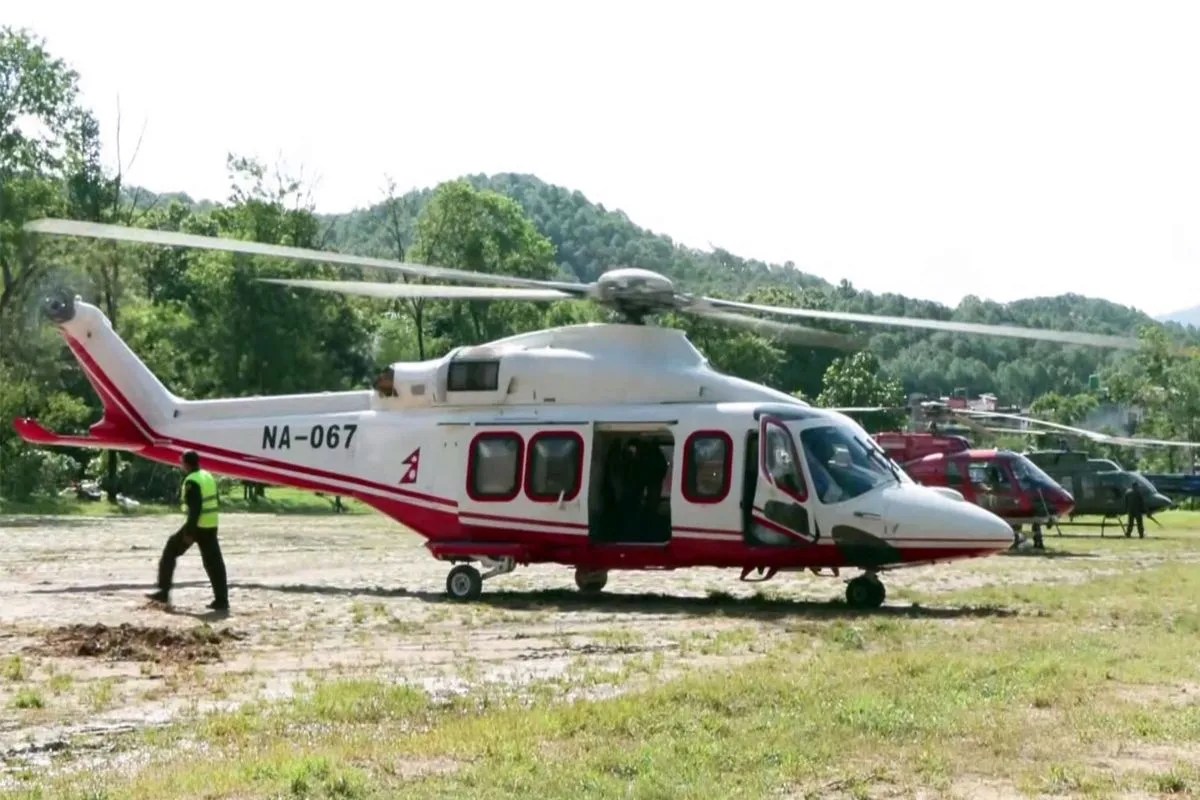
Search and rescue operations in the canyon are a race against an invisible clock. Helicopters beat the turbulent air above the canyon rim, their rotors straining against downdrafts. Ground crews rappel down sheer cliffs where the footing is crumbly shale and sandstone. Every canyon is an echo chamber, bouncing the sound of sirens and rotor blades off ancient walls, making it nearly impossible to pinpoint where cries for help might be originating.
The missing hikers represent a cross-section of human hope and hubris. They are college graduates on summer road trips, retirees fulfilling lifelong bucket-list dreams, weekend backpackers seeking escape from the hum of city life. They are people who looked at the most majestic landscape on the continent and saw an invitation rather than a hazard.
That is the eternal paradox of the wild. We travel to these places to feel small, yet we bring with us an instinctive human assumption that we are somehow safe within them. We treat national parks like amusement parks with better views. We forget that nature is indifferent to our presence. The canyon does not hate the hiker; it simply does not know they are there.
As the sun dips below the plateau, casting long, bruised shadows across the red rock, the temperature drops and the search intensifies with flashlights and thermal imaging gear. Families back home are refreshing news feeds, staring at phones, praying for a signal in places where signals do not reach.
The water is receding now, leaving behind a thick layer of grey silt that coats the canyon floor like wet cement. The slot canyons are quiet again. But the mud holds stories of a terrifying rush, and the river below continues its ancient, unhurried journey to the sea, carrying the traces of a day that changed everything.