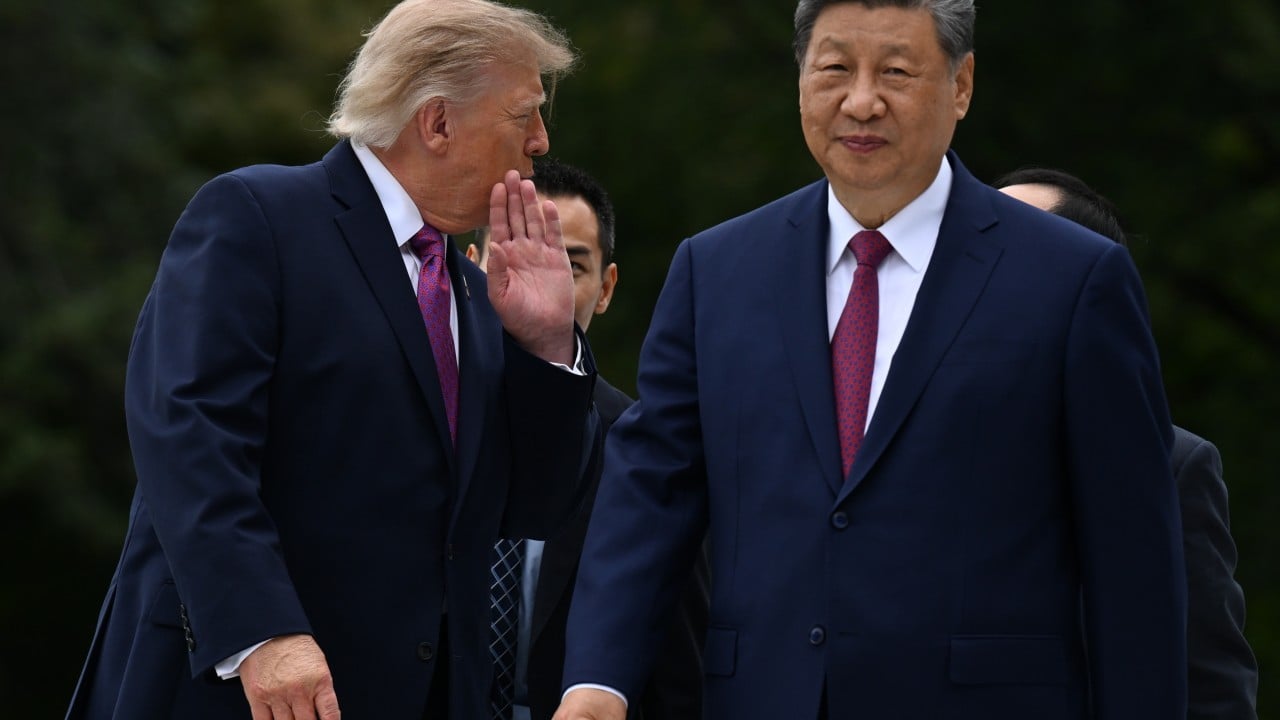
Washington is having a collective meltdown over the idea of a Florida presidential retreat because Washington hates anything that disrupts its overpriced, bureaucratic monopoly on power.
The media narrative is predictably lazy. Pundits clutch their pearls, warning about security protocols, private branding, and the blurring of public office with private assets. They treat the proposal as an unprecedented constitutional hazard. They are missing the entire point. Building on this topic, you can also read: Structural Insolvency in Multilateral Governance The Economics of the World Health Organization Post United States Exit.
Moving the traditional executive retreat from the rugged Maryland mountains to a private Palm Beach club is not a descent into banana-republic autocracy. It is a brilliant stroke of fiscal and logistical rationalization.
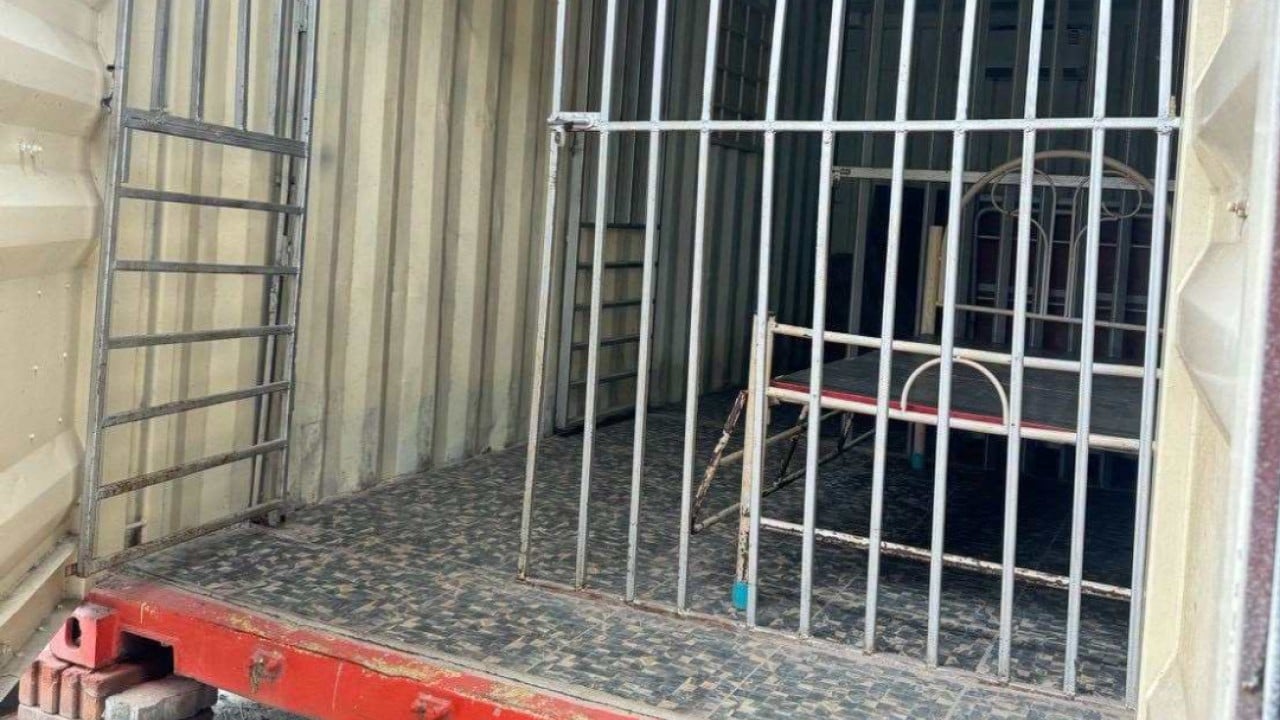
For decades, taxpayers have subsidized a glorified summer camp in Maryland that costs millions to maintain while remaining largely underutilized. Camp David requires a massive permanent footprint, constant security rotations through remote terrain, and thousands of hours of logistical overhead just to move a commander-in-chief twenty miles outside the beltway. Meanwhile, private infrastructure already exists, functions with military precision, and operates without bleeding the federal treasury dry for routine upkeep. Experts at TIME have shared their thoughts on this trend.
Let us look at the actual mechanics of executive power in the twenty-first century. A modern presidency does not need a rustic cabin to project authority. It needs secure communications nodes, encrypted conference rooms, and rapid transit access to international air corridors. Palm Beach already has the secure perimeter. It has the helipads. It has the dedicated communications infrastructure that gets tested and upgraded every single time a head of state visits the property.
Critics whine about optics. They argue that stationing official state business at a private resort enriches private entities. This ignores how government contracting works on a daily basis. Every time an administration rents a fleet of armored SUVs, books a block of luxury hotel rooms in Manhattan for the General Assembly, or hosts a summit at a private estate abroad, taxpayer funds flow into private pockets. The difference here is asset efficiency. You are utilizing a facility that is already hardened, already staffed by high-end hospitality professionals, and maintained by private capital rather than endless congressional appropriations.
I have spent enough time around government procurement to know a black hole when I see one. Federal agencies love maintaining obsolete assets because line-item budgets depend on recurring waste. The moment you suggest replacing a bloated, government-owned compound with a flexible, private-sector partnership, the bureaucracy shrieks about norms.
The security argument holds even less weight. Secret Service agents do not care whether they are standing in a freezing Maryland forest or a sun-drenched Florida lawn; they care about sightlines, access control, and communications bandwidth. A sprawling private estate with water barriers on multiple sides is infinitely easier to lock down than a sprawling mountain range with a thousand hiking trails and unpredictable weather patterns.
We need to stop pretending that historical geography equals sacred constitutional principle. Camp David was chosen in 1942 because Franklin Roosevelt wanted a cool place to escape Washington's summer humidity without traveling too far. It was a pragmatic choice for an analog era. Adopting a modern southern alternative is a pragmatic choice for a digital, high-speed, globalized executive branch.
The real threat keeping the establishment awake at night is not the location. It is the precedent. If a president can conduct high-level diplomacy effectively outside the suffocating, leak-prone ecosystem of Washington, D.C., then the capital loses its grip on the narrative. Power hates decentralization because decentralization strips away its middlemen.
Stop buying the hysteria about presidential real estate. A secure room is a secure room, regardless of whether it smells like pine needles or ocean salt. Efficiency always beats nostalgia.