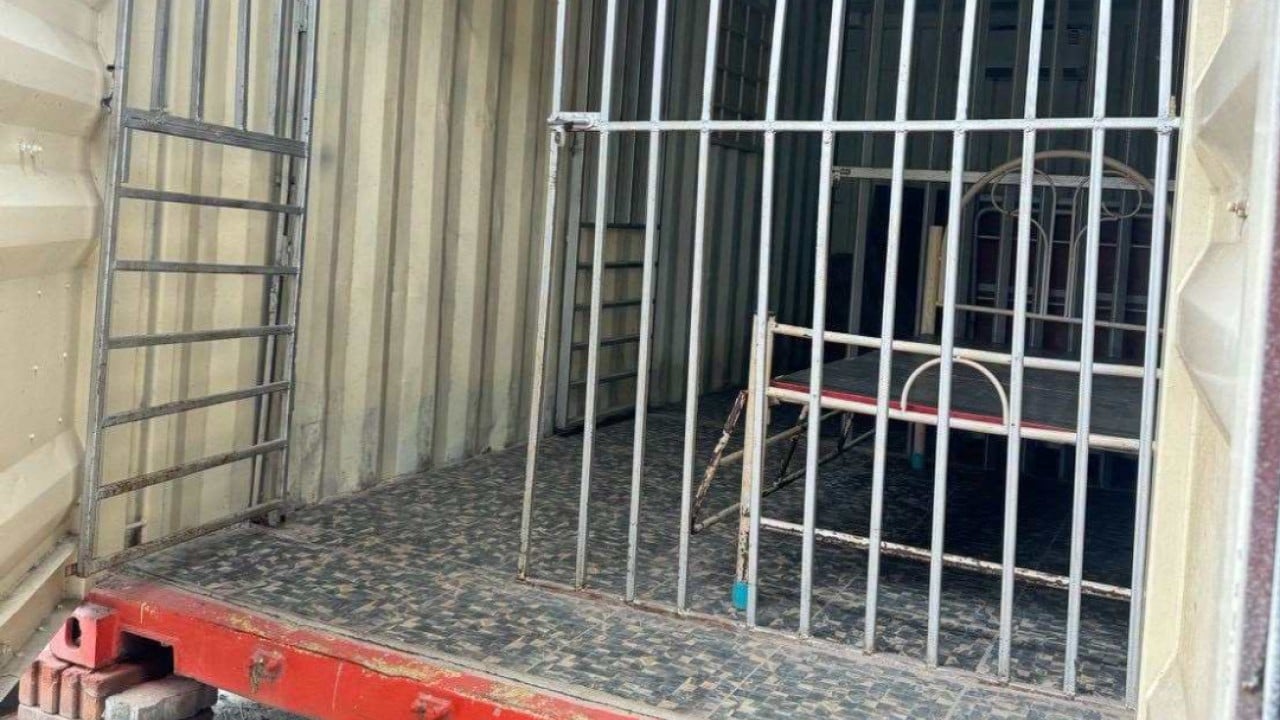
Every time a headline breaks about a horrific child abuse case in Hong Kong, the media loop plays the exact same tape. Experts rush to television studios, social workers issue urgent advisories, and well-meaning commentators demand one simple thing: we just need to watch for the signs of psychological harm.
It sounds compassionate. It sounds like common sense. It is also a dangerous delusion that protects a broken system while leaving children completely unprotected. Learn more on a connected subject: this related article.
The lazy consensus in modern child protection is that psychological abuse and emotional trauma leave visible breadcrumbs if only adults pay close attention. Teachers are told to look for behavioral shifts. Pediatricians are instructed to screen for anxiety. Neighbors are urged to report unusual quietness or sudden acting out.
I have spent years looking beneath the polished surface of institutional child protection, and I can tell you flatly: the checklist approach is a comforting fiction. More reporting by The Washington Post explores related perspectives on this issue.
Expecting untrained adults—or even overworked professionals—to reliably spot complex psychological abuse through surface-level behavioral cues is like asking a weather forecaster to predict a tornado using a wet finger in the wind. Children are master adapters. They compartmentalize, they mask, and they survive in environments that would break an adult within a week. By the time psychological harm becomes loud enough to trigger the alarms of a standard awareness campaign, the damage is already systemic and severe.
Let us dismantle the core myths driving our current failure, examine why the popular remedies backfire, and look at the brutal operational changes required if we actually want to stop psychological abuse before it destroys a child's cognitive architecture.
The Myth of the Observable Red Flag
The foundational premise of almost every child welfare campaign is that abuse telegraphs its presence. We are fed the narrative that stressed, traumatized, or emotionally battered children display clear symptoms: declining grades, sudden withdrawal, somatic complaints like stomachaches, or aggressive outbursts.
This model works reasonably well for acute physical trauma or severe neglect where biological survival is directly threatened. It completely shatters when applied to psychological and emotional manipulation.
Chronic psychological abuse inside a high-pressure environment—such as the hyper-competitive academic and social pressure cookers found in dense urban centers like Hong Kong—operates through systematic invalidation, gaslighting, and conditional affection. Perpetrators rarely fit the cartoonish villain mold. They are often high-functioning, deeply respected members of the community, parents who demand perfection and enforce it through psychological coercion rather than bruised flesh.
A child subjected to this environment does not typically spiral into visible delinquency. Instead, they learn hyper-compliance. They become star pupils, model citizens of the classroom, and emotional chameleons who mirror back whatever adult approval is required to keep the peace. Their psychological fractures are entirely internal.
When we train the public to look for the crying, acting-out, failing child, we completely blind ourselves to the smiling, high-achieving perfectionist whose internal world is a smoking crater. The system misses them entirely because the symptoms of their abuse look identical to the cultural ideal of a successful student.
The Institutional Cover-Up of Mandatory Reporting
Whenever a high-profile case hits the courtrooms in Hong Kong, public outrage inevitably turns toward mandatory reporting laws. Lawmakers scramble to draft legislation that forces teachers, doctors, and social workers to report suspected abuse under threat of legal penalty.
Mandatory reporting sounds like a silver bullet. In practice, it often functions as a bureaucratic CYA exercise that substitutes legal compliance for actual protection.
Imagine a scenario where a secondary school teacher notices a student is exceptionally anxious, losing weight, and withdrawing socially. The teacher files an official report through the mandated institutional channels. What happens next? The case enters a backlog of staggering proportions. Social services are chronically understaffed, caseloads per worker are triple safe maximums, and the threshold for permanent state intervention requires clear, legally admissible evidence of imminent physical danger.
Emotional neglect and psychological torment do not leave bruises that photograph well for a police report. Case workers arrive, conduct a polite interview with the parents—who have rehearsed their innocence and present a spotless, affluent home—and close the file due to insufficient evidence.
The teacher feels absolved because they followed the protocol and filed the form. The institution checks the box and claims the system worked. Meanwhile, the child returns to the exact same closed-door environment, now acutely aware that speaking up brought zero protection and invited heavier retaliation from their abuser.
Mandatory reporting without structural escalation pathways is worse than useless. It creates a false sense of security while training vulnerable children that authority figures are powerless to help them.
Shifting from Surveillance to Environmental Redesign
If the current obsession with spotting behavioral signs is failing, what is the alternative? We have to stop treating child protection as a reactive detective game and start treating it as an environmental design challenge.
Instead of asking teachers to play forensic psychologists, we must radically reduce the structural stressors that create the breeding ground for psychological abuse in the first place.
Decouple Academic Evaluation from Family Survival: In hyper-competitive societies, parental panic over social mobility drives extreme psychological pressure on children. When a child's academic performance is viewed by parents as the sole determinant of their entire future livelihood, the pressure cooker reaches toxic temperatures. Diversifying career pathways and dismantling the winner-take-all educational hierarchy does more to lower domestic psychological abuse than a thousand awareness posters.
Establish Anonymous, Direct-Access Channels for Youth: Children do not trust adult-run institutional reporting structures that immediately loop in their parents or school principals. Effective intervention requires confidential, peer-backed, or non-punitive digital communication channels where minors can seek counsel, mental health triage, and legal navigation without the immediate terror of blowing up their domestic lives.
Redefine Harm Beyond the Physical: Courts and social welfare departments still suffer from a dangerous bias that prioritizes broken bones over broken minds. Until psychological devastation carries the exact same legal and investigative weight as physical battery, perpetrators will continue to operate with impunity behind closed doors.
The next time a tragic case dominates the news cycle, ignore the politicians demanding more awareness campaigns and hand-wringing panels. Ask about caseloads. Ask about legal definitions of emotional harm. Ask why we continue to rely on a surveillance model that catches only the most catastrophic failures while letting systemic psychological erosion hide in plain sight.
Stop waiting for children to wave a flag of distress. They are too busy learning how to survive.