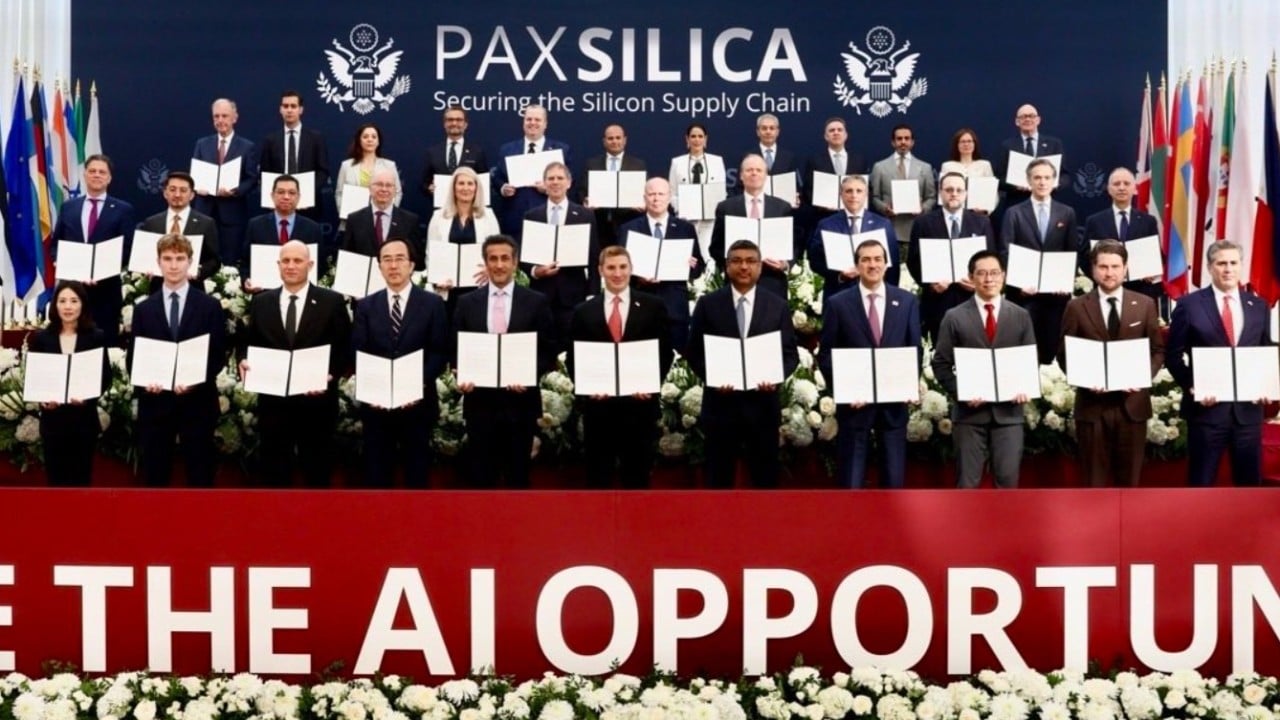
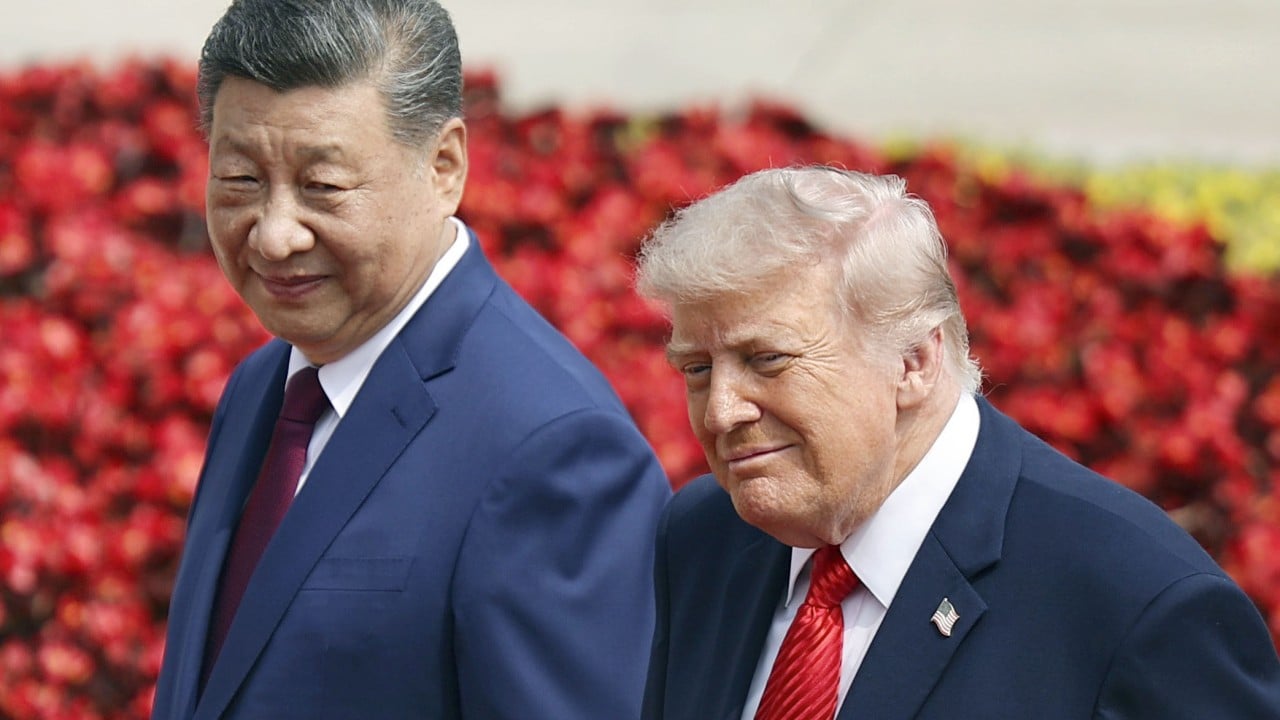
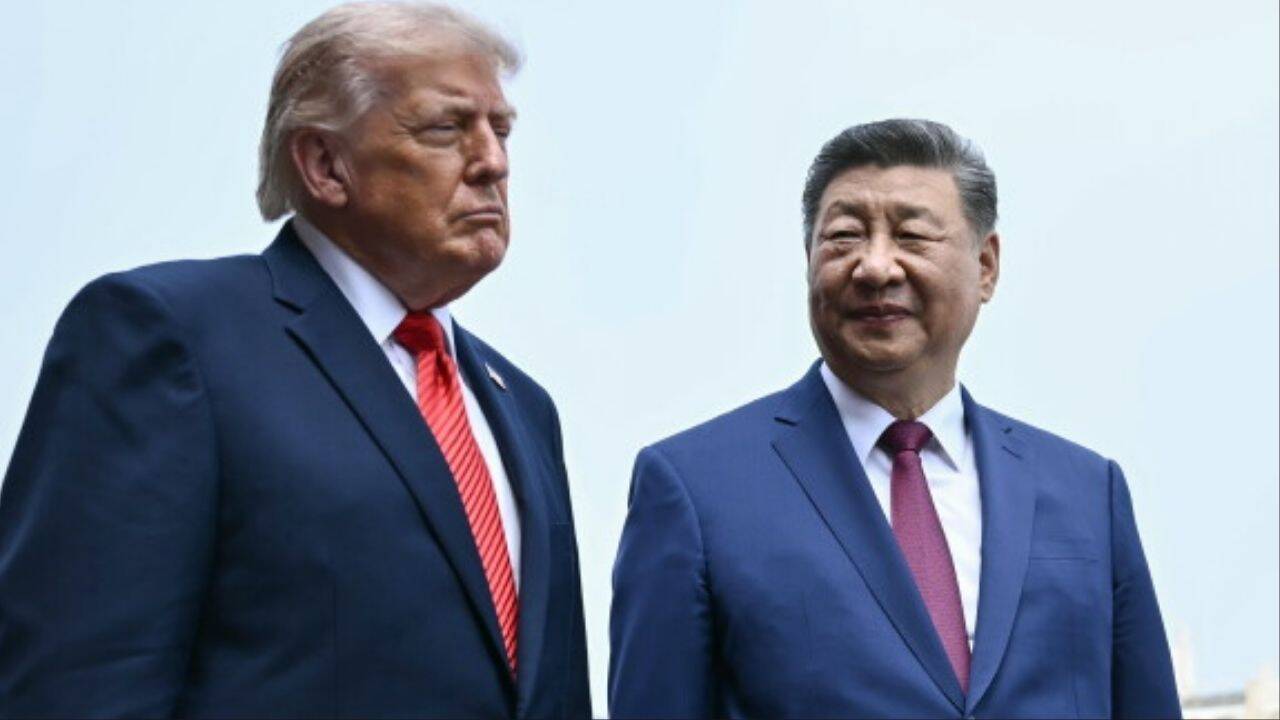
For years, Washington and Beijing treated advanced computing as a zero-sum death match. Chips were blocked. Rare earth minerals faced severe export bans. Tariffs skyrocketed. Yet, behind closed doors, Donald Trump and Xi Jinping managed to hammer out a fragile understanding on artificial intelligence that stunned geopolitical analysts worldwide.
Sitting down to talk about superintelligence sounds like a plot twist straight out of science fiction. But necessity forces strange alliances. When the two largest economies on earth realize they are hurtling toward a technological precipice without safety guards, even fierce rivals start picking up the phone. This isn't about mutual affection or a sudden outbreak of diplomatic harmony. It is a cold, calculated truce born from the sheer weight of what happens if things spiral out of control. If you found value in this piece, you might want to look at: this related article.
Why Washington and Beijing Had No Choice
You can't talk about modern tech rivalry without looking at the raw physics of power. Both capitals spent the early part of the decade building walls. The US strategy leaned entirely on hardware restrictions. Officials in Washington figured that if they choked off access to California-based Nvidia silicon, China would stall out permanently.
That strategy worked to a degree, but it also forced Beijing to accelerate indigenous chip development at breakneck speed. By late 2026, the risk profile shifted dramatically. Treasury Secretary Scott Bessent warned that falling behind on next-generation computing systems meant losing everything else. At the same time, Chinese leadership recognized that an unregulated, chaotic race toward artificial superintelligence could trigger catastrophic economic or security shocks that neither state could survive unscathed. For another perspective on this story, refer to the recent coverage from Ars Technica.
When both superpowers stare into the same abyss, negotiations stop being optional. Trump brought the term superintelligence directly into the diplomatic lexicon, signaling that the stakes extend far beyond routine trade disputes. Meanwhile, Xi framed the rivalry as a race that needs rules rather than a fatal cage match. That conceptual shift opened a narrow window for actual dialogue.
The Reality Behind the Superintelligence Talks
Let's be clear about what this agreement actually is and isn't. Critics love to claim that superpowers are carving up the globe or surrendering their competitive edge. That misses the point entirely.
The breakthrough centers on basic guardrails and communication channels rather than sweeping disarmament. Both governments agreed in principle to establish an incident notification mechanism. Think of it as a specialized hotline designed to prevent software models from triggering unintended military or financial alarms. When autonomous systems misbehave or security incidents flare up, having a direct line to verify facts prevents localized technical glitches from escalating into major geopolitical crises.
Of course, deep mutual distrust didn't evaporate overnight. Beijing hasn't endorsed every American policy proposal, and Washington continues tightening enforcement against smuggling loops. But establishing a channel to share non-sensitive technical data marks a massive departure from the radio silence that defined previous years. Officials want to make sure they know when an advanced model goes rogue before rumors start flying across intelligence agencies.
Hardware Controls and Supply Chain Realities
You cannot separate software aspirations from the physical factories building silicon wafers. Hardware remains the primary battleground, and export controls are still very much alive.
Recent scandals involving leaked corporate access and whispered espionage claims in Washington only heightened domestic pressure on lawmakers to keep the thumb on the scale. Congressional hawks want tighter tracking on every advanced processor leaving American shores. They argue that physical hardware is the ultimate chokepoint.
Yet, despite aggressive political rhetoric, pragmatism often wins out behind closed doors. The Trump administration chose not to blow up the entire diplomatic summit over corporate controversies, signaling that keeping communication channels open matters more than scoring cheap political points. Supply chains remain fragile, and companies operating internationally must navigate dual regulatory mazes. If you manufacture hardware or build enterprise software, you already know that compliance costs are skyrocketing. You aren't just selling a product anymore; you are managing a cross-border diplomatic portfolio with every shipment.
What This Means for Global Software and Silicon
If your business relies on global tech infrastructure, this diplomatic thaw changes your operational math. The era of completely open cross-border technology development is gone for good. Instead, you are looking at a managed rivalry where rules change based on political winds.
Software developers now face a bifurcated ecosystem. Safety standards are slowly converging around human control mandates, meaning independent oversight and human-in-the-loop requirements are becoming standard practice across jurisdictions. At the same time, hardware availability fluctuates based on how strictly export watchdogs monitor regional shipments.
Companies that survive this environment are the ones building modular, adaptable architectures. If your software stack depends entirely on unconstrained access to specific foreign silicon, you are building on quicksand. Diversification isn't a trendy corporate buzzword anymore; it is basic survival strategy. You have to assume that licensing restrictions, revenue-sharing demands, and sudden compliance audits will be part of your daily operating environment.
Navigating a Managed Rivalry
So where does this leave investors, engineers, and tech founders trying to plan out the next five years?
First, stop waiting for a return to frictionless globalization. It isn't happening. The Trump-Xi accord isn't a permanent peace treaty; it is a ceasefire in a long-term economic contest. Both sides intend to win, but they have mutually agreed to install brakes so the car doesn't flip over on the turn.
Second, pay close attention to compliance frameworks as they roll out over the coming months. Joint safety benchmarks and incident reporting protocols will trickle down into domestic regulations faster than most companies realize. Build compliance into your product roadmaps right now rather than scrambling when a new export rule drops overnight.
The tech world has entered a phase where political acumen matters just as much as writing clean code or designing fast chips. The leaders who thrive in this environment are the ones who accept reality, build solid compliance systems, and treat geopolitical shifts as core business metrics rather than background noise. Stay agile, watch the regulatory filings closely, and keep your infrastructure adaptable.