The air inside the cleanroom smells of nothing. That is the point. It is a sterile, scrubbed void where human skin cells are treated like radioactive fallout and a single stray particle of dust can ruin a billion-dollar bet. Under the amber glow of yellow lights designed to protect photosensitive chemicals, a technician named Mateo adjusts his microscope. His fingers are steady inside heavy latex gloves, guiding a microscopic robotic arm to test a silicon wafer no thicker than a single drop of morning dew.
Outside these double-paned glass walls, the humid air of Laguna hums with the chaotic energy of the tropics. Jeepneys rattle past concrete industrial parks, exhaust fumes mix with the scent of wet soil, and tropical downpours lash against corrugated tin roofs every afternoon. Two worlds exist side by side here. One belongs to the frantic rhythm of daily survival in Southeast Asia; the other operates on the unforgiving, atomic scale of global microelectronics.
For decades, the Philippines has played a quiet, indispensable role in the electronics supply chain. Most people outside the industry do not realize that every time they start a car, plug in a smartphone, or boot up a hospital monitor, a piece of that hardware likely passed through an assembly, testing, or packaging line in Cavite, Laguna, or Cebu. Workers like Mateo have spent thirty years soldering, inspecting, and refining the microscopic nerves of modern civilization. Yet, for all that expertise, the country has historically remained trapped in the basement of the value chain. It was the place where chips were sent to be finished, not where they were born.
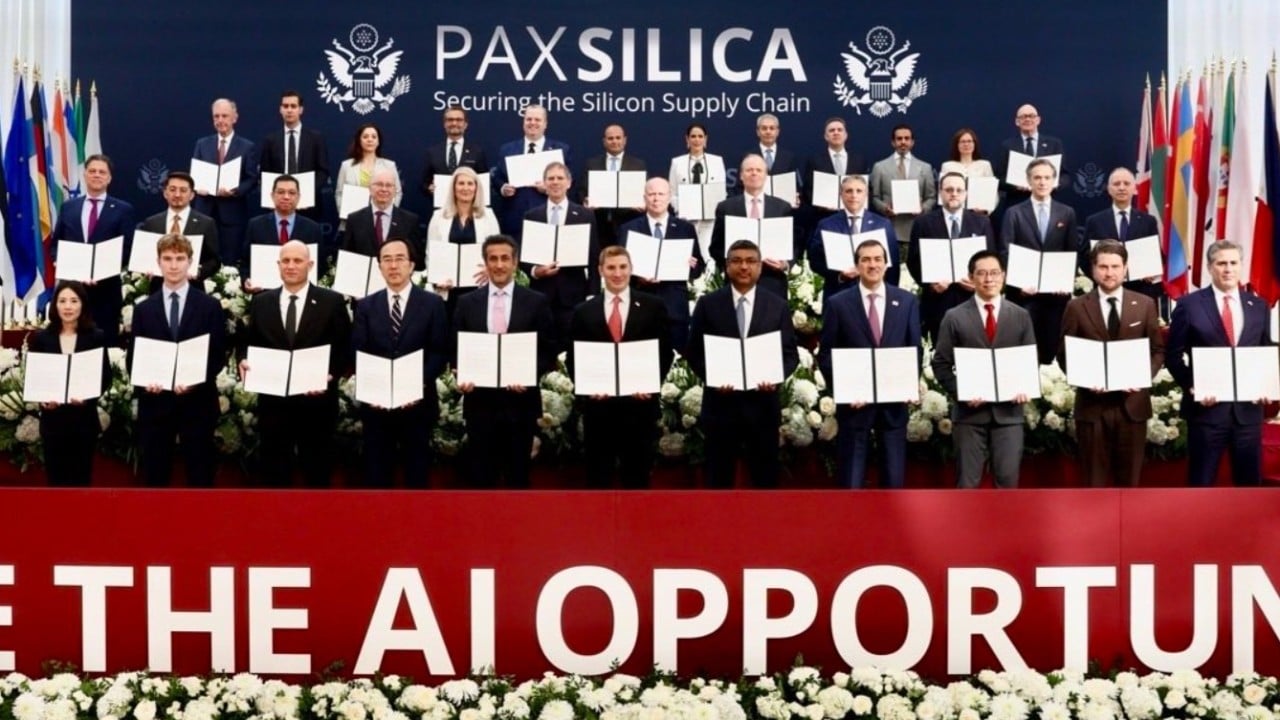
That limitation is precisely what the whispered ambition known as Pax Silica seeks to shatter.
Imagine a nation deciding it will no longer settle for being the assembly line of the world. Imagine a concerted push to transform the archipelago into a commanding node for semiconductor design, advanced packaging, and resilient technology infrastructure. This is not merely an economic strategy; it is a frantic race against the ticking clock of political volatility. The dream of Pax Silica is ambitious, fragile, and caught in a high-stakes duel between local electoral cycles and the unyielding pace of global technological shifts.
To understand why this race matters so deeply, you have to look at how fragile global manufacturing has become. For years, the world relied on a handful of hyper-concentrated hubs for microchips. When supply chains fractured under the weight of geopolitical tensions, trade wars, and pandemics, global tech giants woke up with a start. They realized that putting all their technological eggs in one geographic basket was an invitation to economic collapse. They began searching for alternative havens—places with young, tech-literate populations, strong historical ties to electronics manufacturing, and a stable legal framework.
The Philippines stepped forward with a natural advantage. Its workforce boasts a median age in the mid-twenties, millions of engineering graduates, and an English-fluent population that speaks the language of international commerce with native ease. More importantly, the foundational infrastructure for electronics manufacturing was already rooted in the soil. Foreign investors did not have to start from scratch. They found factories, supply networks, and seasoned plant managers who knew how to run a twenty-four-hour operation with Japanese-level precision.
Yet, building an advanced semiconductor ecosystem requires something far scarcer than concrete and silicon: political continuity.
This is where the dream hits its most turbulent headwind. In a democratic republic defined by shifting administrations, every six years brings a potential wholesale re-alignment of national priorities. A strategic initiative championed by one set of leaders can easily become an afterthought—or a political casualty—when a new administration takes office, bringing new cabinet members, altered budget allocations, and competing agendas.
Consider what happens when a major multinational corporation evaluates where to invest three billion dollars for a new advanced packaging facility. They look at tax incentives, infrastructure reliability, power costs, and talent pipelines. But above all else, they look at predictability. If a corporation fears that a change in political leadership might alter the regulatory landscape, rewrite tax treaties, or stall permits halfway through construction, they will pack their bags and look elsewhere. Vietnam, Malaysia, and India are waiting just across the maritime horizon, whispering sweet incentives into the ears of hesitant executives.
The clock is ticking louder by the day.
Inside the government offices of Manila, policy architects are working late into the night, drafting legislation designed to lock in long-term tax perks, streamline bureaucratic red tape, and secure continuous funding for research and development. They know that a single stalled bill or a delayed executive signature can push a multi-year project off the rails. They are trying to build a bridge across a fast-moving river while the water levels rise and fall with every political season.
The human element of this story is what makes the stakes so agonizingly real. For Mateo, the veteran technician in Laguna, Pax Silica is not an abstract policy term. It is his daughter’s college tuition. It is the hope that the generation of engineers currently studying at state universities will not have to board planes to work in Singapore, Taiwan, or Silicon Valley just to find work worthy of their intellect. For decades, the Philippines has exported its brightest minds because the domestic economy lacked the high-end industrial complexity to absorb them. Brain drain has been a quiet, constant hemorrhage.
If Pax Silica succeeds, it changes the gravity of the nation. It creates an environment where design engineers, materials scientists, and software architects can build cutting-edge careers without leaving their families behind. It shifts the national identity from a labor exporter to a technological powerhouse.
Yet, the anxiety inside the boardrooms and research labs is palpable. Bureaucratic inertia is a heavy beast to move. Power costs in the country remain among the highest in the region, threatening the profit margins of energy-hungry fabrication plants. Infrastructure bottlenecks—from clogged ports to congested highways connecting the industrial zones to the capital—add hidden friction to every shipment. And above all, the looming specter of the next electoral cycle hangs over every negotiation. Will the next leaders honor the commitments of the current administration? Will the fragile coalition of government agencies, academic institutions, and private tech firms hold together long enough for the first truly homegrown semiconductor designs to tape out?
History offers sobering lessons. Many emerging economies have stood at this exact precipice, gazing at the promised land of high-tech manufacturing, only to stumble on the rocky terrain of domestic politics and institutional decay. Dreams of industrial transformation are easy to write into policy papers; they are brutally difficult to execute in the messy reality of everyday governance.
And yet, walk through an engineering laboratory at a university in Quezon City, and you will feel an infectious, stubborn optimism. Students are huddled around circuit boards, writing custom code for hardware accelerators, debating the future of artificial intelligence hardware with the intensity of people who believe they are writing history. They are not waiting for politicians to save them. They are building the future with their own hands, solder by solder, line of code by line of code.
The transition from a developing nation to a sovereign technology hub is never a straight line. It is a messy, chaotic dance between ambition and reality, between the vision of forward-thinking reformers and the dead weight of entrenched bureaucracy.
The silicon wafer on Mateo’s microscope desk sits under the yellow light, perfectly flat, impossibly complex, waiting for the final test. Outside, the rain clears, and the sun breaks through the clouds over Laguna de Bay, casting a golden sheen across the rooftops of the industrial parks. The race is on, the political winds are shifting, and the future of an entire nation's economy hangs in the balance, resting entirely on the microscopic circuits of a dream waiting to be made real.