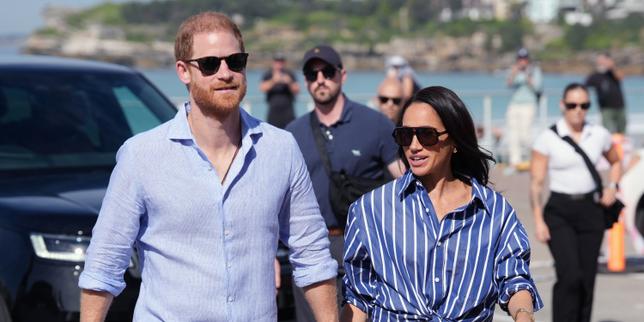
The narrative of the American dream turning sour for the Duke and Duchess of Sussex is no longer a matter of speculation. Prince Harry and Meghan Markle are orchestrating a permanent move back to the United Kingdom, ending a six-year self-imposed exile that began in 2020. This shift marks more than a change in geography; it signifies the functional conclusion of the Sussexes' independent brand experiment in California and the start of a delicate, high-stakes personal reintegration into British soil.
By the end of August 2026, the couple will vacate their primary base in the United States to settle into a private, non-royal residence situated outside the immediate reach of London’s high-traffic zones. This is not a return to the balcony at Buckingham Palace or a resumption of official state duties. Instead, it is a strategic retreat into a hybrid existence. The couple maintains their international holdings, including properties in California and Portugal, ensuring they retain an exit velocity should the domestic climate prove suffocating.
The impetus for this relocation is rooted in the quiet pragmatism of aging institutions. King Charles III has been briefed on the transition, and sources indicate a familial desire to prioritize proximity over protocol. For the monarch, this is a long-sought opportunity to stabilize the family’s public image, which has suffered from the persistent friction of the transatlantic divide. For Harry and Meghan, the decision hinges on the developmental reality of their children. Archie and Lilibet are slated to begin their education in the British school system this September.
The Anatomy of a Calculated Withdrawal
Observers often frame the Sussexes' departure from California as a defeat, but a cold assessment of the evidence suggests something more calculated. The couple did not leave the royal fold to become influencers; they left to establish a self-sustaining infrastructure. Having spent half a decade testing the limits of that independence, they now face the reality that global relevance for a royal figure is paradoxically higher when closer to the epicenter of the tradition they once critiqued.
Consider the hypothetical scenario of a media executive attempting to build a brand identity in a vacuum. Without the constant friction of the institution—the very institution they sparred with—their story risks becoming static. By moving back, the couple secures relevance. They shift from "exiles" to "private residents," a subtle linguistic change that carries immense weight in the British tabloid ecosystem. This status allows them to bypass the rigid accountability of the Working Royal label while simultaneously benefiting from the gravity of the Monarchy.
The Financial and Operational Pivot
Moving a high-profile family across the Atlantic is a logistical undertaking that few could navigate with such discretion. It is not merely a matter of real estate; it involves a total recalibration of security, tax residency, and, most importantly, the management of public perception.
The choice of a private, non-royal residence is the pivot point here. It signals a hard boundary. By avoiding royal estates, Harry and Meghan avoid the inevitable scrutiny that comes with taxpayer-funded renovations and the intrusive security protocols associated with official residences. They are paying for their own opacity. This arrangement essentially treats their presence in the UK like that of any other high-net-worth individual, though the reality of their name makes such anonymity an impossibility.
The couple’s continued possession of their properties in Portugal and California provides a strategic buffer. If the British press, which has historically been hostile to the pair, makes the environment untenable, the Sussexes have the infrastructure to retreat once more. This is not a "surrender" to the establishment; it is the acquisition of options.
The Strains of the Reconciliation Myth
Public sentiment is currently oscillating between guarded curiosity and outright skepticism. While royal officials have hinted that the King is pleased to see his family again, the structural issues that drove the 2020 rift remain unresolved. The couple’s refusal to resume official duties is the anchor that prevents this from becoming a full-scale restoration.
The professional analyst looks at the machinery of this transition and sees a quiet deal. The palace gains a reduction in headline-generating conflict; the Sussexes gain a foothold for their children in the UK, which effectively serves as a form of social insurance for their future careers. Whether they intend to pivot into philanthropy, media, or private enterprise, their brand identity is inextricably linked to their heritage. Proximity to the source of that heritage is a functional requirement, not a sentimental choice.
The real test will come when the first private visit to a royal estate is leaked, or when the children’s school life becomes the target of an aggressive paparazzi surge. If the couple can successfully maintain a private life while living in the public gaze of the UK, they will have achieved something their predecessors never could. If they fail, they will be forced to draw on those international assets and depart once more, likely with less grace than they arrived.
The move is set. The infrastructure is in place. The transition, however, is a high-wire act with no safety net for the family’s reputation. They are walking back into the very fire they spent six years escaping, banking on the fact that the flames have cooled, or at the very least, that they have finally learned how to navigate the heat without being consumed.