Another body hits the asphalt, another coroner files the paperwork, and the public square erupts with the exact same brain-dead reflex. The knee-jerk chorus demands slower speeds, brighter flashing lights, and louder bells on the light rail transit line. They treat a transit corridor like a daycare playground, expecting a multi-tonne steel vehicle on a fixed guideway to perform emergency evasive maneuvers like a sports car.
It is a comforting delusion. It lets us point the finger at a machine or a distracted commuter while ignoring the structural incompetence of how we design our municipal corridors.
I have spent two decades watching urban planners design transit lines to appease focus groups rather than physics. They try to wedge high-capacity rail into dense pedestrian arteries without the stomach to enforce absolute separation. The result is a hydraulic press disguised as a public amenity. We refuse to accept that heavy infrastructure requires hard boundaries. Until we abandon the fantasy of the friendly, frictionless street-level train, people are going to keep dying.
The Lazy Consensus Of Safety Theater
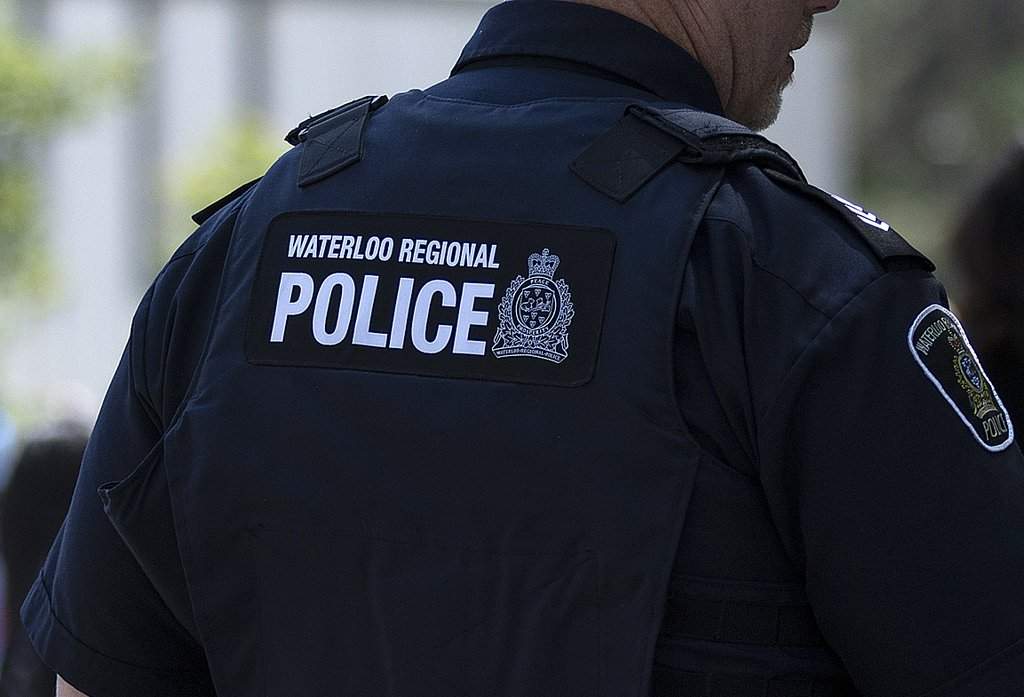
The standard news cycle following these tragedies follows a predictable, useless script. Police release a sparse bulletin. Local politicians express profound sorrow and vow a "safety review." Activists dust off their standard-issue talking points about pedestrianization and vision zero, demanding lower speed limits and extra signage.
Every single one of these responses misses the point.
Signs do not stop a 40-tonne railcar moving at 50 kilometers per hour. Flashing amber lights are background noise to a population walking around with glowing rectangles glued to their palms. When a transit system relies on human compliance to prevent fatal physics collisions, failure is not an accident. It is a mathematical certainty.
Imagine a scenario where an airline ran its operations the way we run urban light rail: placing commercial airliners taxiing across public pedestrian plazas, trusting everyone to look both ways before stepping onto the tarmac. You would call it insane. Yet the moment we put steel wheels on a grooved track embedded in concrete pavement, we pretend the rules of kinetic energy simply vanish.
The Physics Problem We Refuse To Solve
Let us look at the raw mechanics that the safety committees ignore. A light rail vehicle cannot swerve. It cannot brake on a dime. The coefficient of friction between steel wheels and steel rails is dramatically lower than rubber tires on dry asphalt. When an operator dumps the emergency brakes, the deceleration rate is agonizingly slow compared to what drivers expect in a passenger car.
When municipalities run these trains at grade through high-traffic commercial cores, they are playing Russian roulette with a population that is inherently distracted, rushed, and prone to risk-compensation behaviors.
We have engineered our transit stops to encourage dangerous shortcuts. We crowd platforms against active roadways, fail to install physical grade-separation barriers, and rely on painted white lines on the ground to act as moral deterrents. Paint does not stop momentum.
The Uncomfortable Solution Nobody Wants To Fund
Fixing this carnage requires a level of political ruthlessness that modern city halls simply do not possess. It means admitting that surface-level light rail in congested zones is a failed nineteenth-century compromise that belongs in the past.
If a corridor requires high-speed, high-capacity transit, it demands dedicated grade separation. That means elevated guideways, trenching, or absolute tunneling. It means fencing off rights-of-way with physical barriers that make pedestrian trespassing impossible, regardless of how inconvenient it is for someone trying to shave thirty seconds off their walk to the coffee shop.
If we are not willing to spend the capital to separate steel from flesh, we need to strip the trains of their speed, turning them into glorified streetcars that crawl at walking pace through pedestrian zones. You cannot have high frequency, high speed, and zero friction in a shared urban space. Pick two, because the third is a morgue visit.
Stop demanding better bells. Stop asking for more signs. Stop blaming the dead for failing to respect a machine that never should have been sharing their lane in the first place.