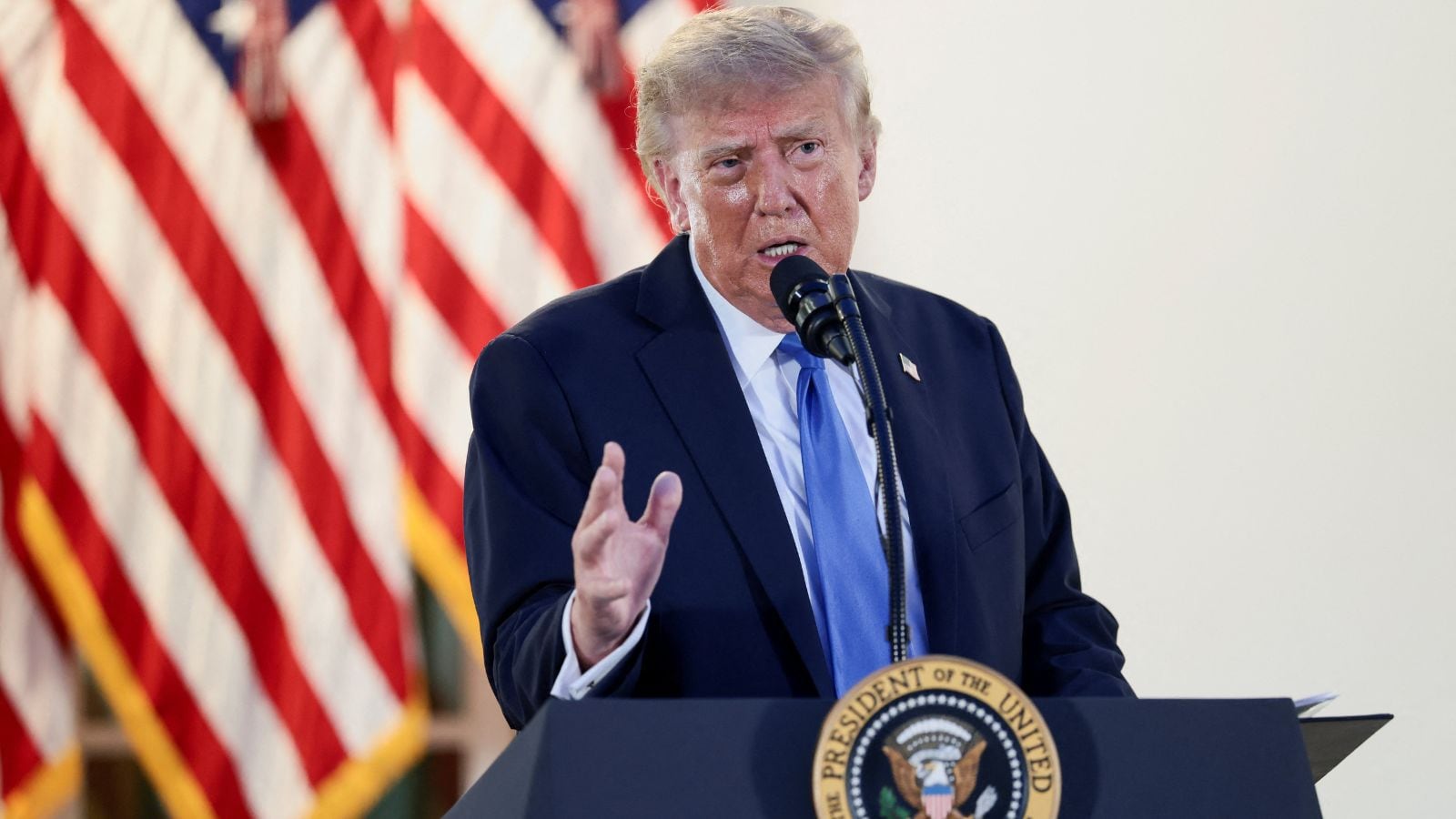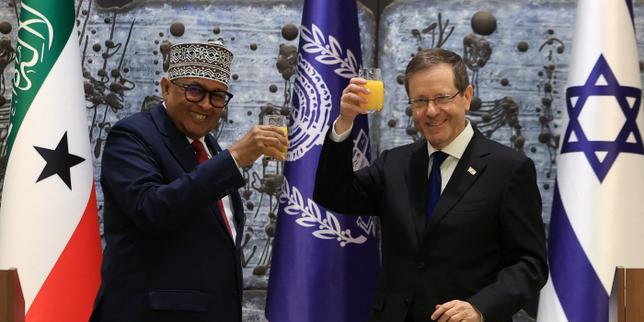
Geopolitical recognition behaves like a constrained liquidity market, where transaction costs are high, entry barriers are enforced by institutional inertia, and a single liquidity event can force a complete re-pricing of sovereign assets. Israel's decision to formally recognize Somaliland fractured a three-decade diplomatic taboo, altering the cost function for external actors. With Somaliland leadership actively engaging Washington, the analytical focus shifts from whether recognition is normatively desirable to the structural mechanics determining whether the United States will follow suit.
The Tripartite Strategic Value Function
Evaluating Somaliland's utility to Western defense planners requires examining three distinct variables: maritime choke points, regional proxy dynamics, and intelligence architecture.
The first variable is geographic positioning. Situated along 850 kilometers of the Gulf of Aden coastline, Somaliland commands the southern approach to the Bab al-Mandab Strait—a maritime corridor through which a significant share of global container traffic and energy transit passes. As Houthi kinetic activity and regional militarization degrade the operational security of traditional staging grounds like Djibouti, the Port of Berbera offers an alternative deep-water logistics node.
The second variable involves threat convergence. Defense analysts now model the Bab al-Mandab theater not as isolated insurgencies, but as an integrated security grid linking Red Sea maritime threats with East African extremist networks. Hargeisa maintains an indigenous security apparatus with a proven track record of localized counterterrorism containment. For Washington, partnering with an entity that provides a stable, functional administrative counterweight in a chronically volatile zone yields high marginal security returns.
The third variable is diplomatic integration. Somaliland has signaled its willingness to align with the Abraham Accords framework, offering an institutional mechanism for Arab-Israeli-American burden-sharing. By coupling sovereign recognition with concrete security and economic concessions—including proposals for troop contributions and mutual defense cooperation—Hargeisa is attempting to transform its status from a humanitarian charity case into a security producer.
The Cost Function of Non-Recognition
For decades, the default Western position was anchored in the African Union's strict adherence to colonial-era borders, prioritizing continental norm stability over empirical statehood. Somaliland operates as an independent state in practice: it prints its own currency, maintains a distinct passport, fields a military force, and holds democratic elections. Yet, it remains starved of institutional capital, international banking access, and foreign direct investment due to its unrecognized status.
Israel's move altered the risk matrix by absorbing the initial wave of diplomatic blowback. When a sovereign state breaks a taboo without suffering catastrophic systemic retaliation, the perceived cost of following drops for secondary actors.
The institutional framework inside the United States is also adapting. Congressional vehicles, such as the introduction of the Republic of Somaliland Independence Act, provide an alternative legislative pathway that bypasses sluggish executive branch caution. If domestic commercial and defense interests begin requiring legal certainty, banking access, and enforceable contracts within Berbera, the economic friction of non-recognition will outweigh the diplomatic convenience of the status quo.
The African Continental Obstacle
The primary structural barrier to widespread Western recognition is not Washington's bilateral calculus, but continental friction. The African Union fears that validating Somaliland's borders will unleash a cascade of secessionist claims across a continent defined by porous, multi-ethnic boundaries.
To bypass this barrier, Hargeisa’s legal and diplomatic strategy must remain narrow. Somaliland does not represent a new separatist movement carving itself out of a functioning state; it represents the dissolution of a voluntary union formed in 1960, operating within its exact former British colonial administrative boundaries. It is a restoration of a previous legal reality rather than the invention of a novel border.
For the United States to act without alienating broader African partnerships, recognition must be decoupled from generalized secessionism and framed as a pragmatic, localized security arrangement designed to secure critical trade corridors against asymmetric threats.
Strategic Execution
The transition from a frozen diplomatic dispute to active state-to-state relations depends on a specific set of operational triggers. The primary threshold requires the Pentagon or the White House to conclude that formalizing relations with Hargeisa delivers measurable force protection advantages that outweigh Mogadishu's diplomatic protests.
Hargeisa must continue to lower the transaction costs for Washington by offering tangible assets: structured access to Berbera, intelligence sharing on Red Sea security, and integration into broader regional stability frameworks. If American defense planners determine that maritime security in the Gulf of Aden requires a permanent, legally secure footprint outside the congested confines of Djibouti, the diplomatic calculus shifts instantly. Recognition will not be granted as an ideological favor; it will be executed as a logistical necessity.