The coffee shop on the corner smells of scorched espresso beans and wet wool. Outside, the gray drizzle of a Tuesday morning slicks the pavement, turning car headlights into smears of yellow and red. Inside, Elena sits with a cracked ceramic mug cradled in both hands, watching the steam curl upward and disappear against the windowpane. She is thinking about a pair of sneakers.
Not just any sneakers, but the ones sitting in her online shopping cart, waiting for her finger to press the final button. They are manufactured by a multinational conglomerate headquartered on the other side of an ocean, a corporate behemoth whose home government has recently levied steep, punishing tariffs on her country’s primary exports. Every morning, the radio blares news of escalating trade wars, diplomatic freezes, and the slow, grinding machinery of economic nationalism. The politicians call it standing up to the superpower.
Elena calls it forty dollars more.
That is the hidden geometry of geopolitics today. We like to think of international disputes as grand theater played out by men in dark suits behind mahogany doors. We imagine treaties signed with fountain pens, fiery speeches delivered at podiums draped in flags, and warships cutting through dark, choppy waters. But the true theater of trade war is smaller. It happens in the narrow aisles of supermarkets, on the glowing screens of mobile phones at midnight, and across kitchen tables where family budgets are stretched thin enough to snap.
Consider what happens next when a nation decides to draw a line in the sand.
Governments do not pay tariffs. Corporations do not absorb them out of the goodness of their balance sheets. The cost flows downward, cascading through the supply chain like rainwater down a mountain, until it pools at the very bottom, right in the lap of Elena and millions of ordinary citizens just like her. When a nation slaps retaliatory duties on foreign goods to signal sovereignty and defiance, it is writing a check. And it expects its own people to cash it.
This is where the abstract concept of national pride collides with the gritty reality of the monthly credit card statement.
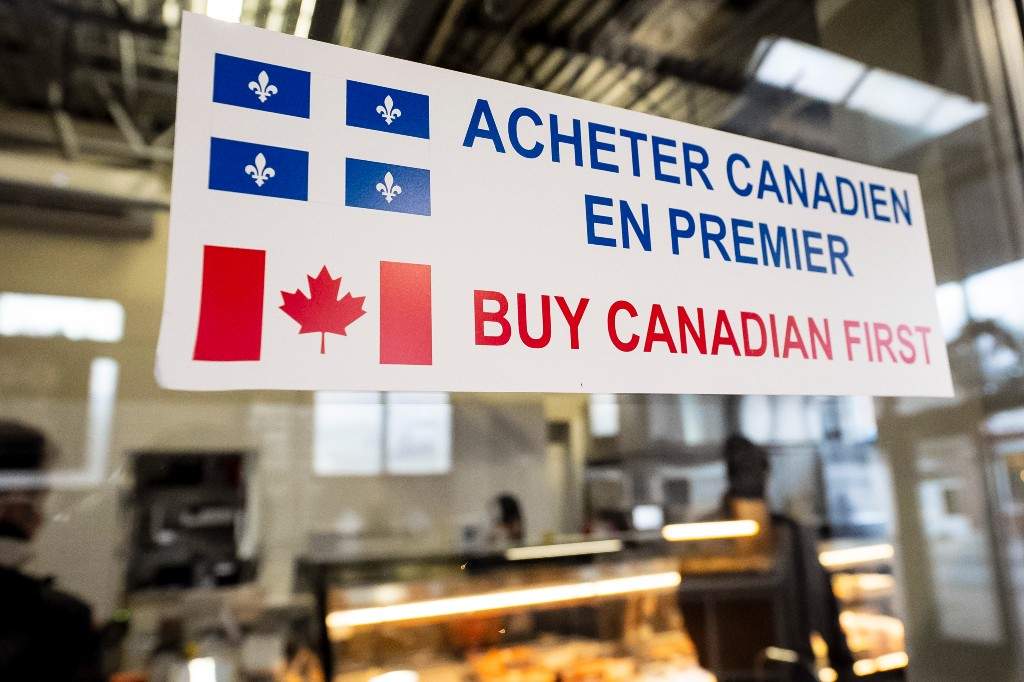
To understand why people are willing—or sometimes entirely unwilling—to foot that bill, we have to look past the cold percentages of gross domestic product and examine the human heart. Pride is a powerful currency. For decades, sociologists and behavioral economists have studied how collective identity influences consumer behavior. When a country feels squeezed by a dominant global superpower, a psychological shift occurs. The grocery cart becomes a ballot box. Buying local, even at a severe markup, transforms from a mundane economic choice into an act of patriotic defiance. It is a way of saying: We will not be pushed around. We see your economic might, and we match it with our stubbornness.
Yet, stubbornness has a finite shelf life.
Elena stares at the screen of her phone. The sneakers cost thirty percent more than they did six months ago, a direct casualty of the latest trade skirmish. She wants to support her government's stance. She genuinely does. She feels the prickle of resentment whenever foreign leaders treat her country like a secondary market or a geopolitical afterthought. There is an instinctive, hot flash of anger that makes her want to punch a wall or delete the foreign apps from her phone entirely.
Then she remembers her rent. She remembers the utility bill that arrived yesterday, creeping upward like ivy on a brick wall.
This is the central tension of our era. We are asked to bear the financial weight of our political convictions, but the distribution of that weight is rarely fair. For the wealthy, paying an extra twenty percent for imported goods is a minor annoyance, a rounding error on a quarterly statement. They can afford to buy nationalism. They can afford to make a principled stand with their purchasing power.
For the working class, however, patriotism is beginning to look like an expensive luxury item.
When researchers recently surveyed thousands of readers about whether they would willingly pay higher prices to back their government's defiant trade policies, the split was not just ideological; it was deeply economic. Those with financial cushion were vocal in their support. Send a message, they said. Teach them a lesson. Protect our domestic industries. But as the income brackets shifted downward, the answers grew more complicated, shadowed by the quiet exhaustion of making ends meet.
It is easy to be brave with someone else's wallet.
Let us be honest about the mechanics of protectionism. Proponents argue that shielding domestic markets builds long-term resilience, forcing innovation and creating local jobs. They point to historical precedents where temporary pain paved the way for industrial independence. There is logic to this. No nation wants to be entirely dependent on a foreign rival for its critical infrastructure, its technology, or its daily bread. The vulnerability of a fragile global supply chain has been exposed too many times for us to pretend otherwise.
But the transition period is a ghost story told in narrow margins.
Between the grand vision of economic self-sufficiency and the reality of a functioning household budget lies a vast, unforgiving desert. In that desert, people have to choose between buying domestic goods that may be inferior or vastly more expensive, and stretching their shrinking paychecks to cover the basics. When milk, shoes, appliances, and car parts all carry the invisible tax of diplomatic posturing, the romantic notion of standing up to a superpower starts to fray at the edges.
Back in the coffee shop, the rain has turned the street into a dark mirror.
Elena closes her laptop without clicking the purchase button. She isn't doing it out of a grand political statement. She isn't signaling her allegiance to either side of the Pacific trade divide. She simply cannot justify spending grocery money on footwear, no matter how much national pride is baked into the price tag.
She pulls her coat tighter around her shoulders, steps out into the damp chill, and walks toward the bus stop, leaving the sneakers behind in the digital cart—a small, silent casualty in a war fought with price tags.