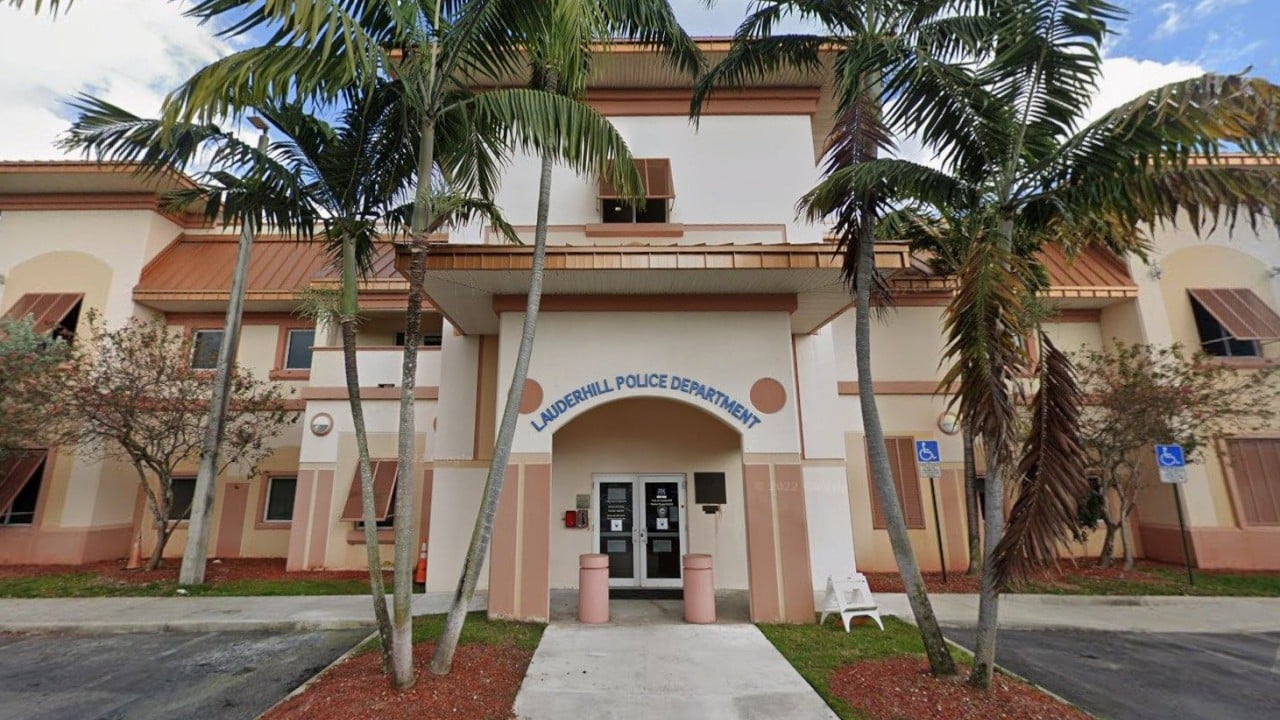
A police officer walks into a house during a welfare check, finds a body, and ends up accused of trying to claim the dead man's home as his own. Sounds like a trashy crime novel, right? Except prosecutors and sheriff's investigators in Broward County say it actually happened in Lauderhill, Florida.
Let's be honest about what's going on here. When a story like this breaks, everyone focuses on the shock value. A cop with a badge! A dead homeowner! Years of alleged schemes! That stuff grabs clicks fast. What most people miss is how a property takeover like this gets pulled off on paper, why it took years to unravel, and what it exposes about weak spots in real estate records, probate oversight, and police database access.
How the Alleged Property Takeover Unfolded
According to investigators with the Broward County Sheriff's Office (BSO) and the Broward County Property Appraiser's Office, the story starts on July 11, 2022. Neighbors grew worried about 71-year-old Dennis Ionis West after not seeing him around his house on N.W. 12th Street in Lauderhill. Police responded to a welfare check and found West dead inside the home. His death was later ruled natural due to cardiovascular disease.
Lauderhill police officer Brian Louis Sguros was one of the officers who responded to that scene. Nearly four years later, on October 20, 2026, Sguros was arrested following a joint investigation. Authorities charged him with five felony counts, including official misconduct, criminal use of deceased personal identification, criminal use of personal identification information, an offense against a computer user, and unlawful use of a two-way communication device. (Note: Criminal charges are allegations, and a defendant is presumed innocent unless and until proven guilty in court.)
Investigators allege that Sguros didn't just walk away after the welfare check. Instead, they claim he used law enforcement databases to pull personal information on West, contacted the medical examiner's office while falsely claiming to be a friend with no known surviving family, and moved into the house with his partner. Over the next few years, detectives say Sguros paid property taxes and utilities in West's name, forged West's signature on a permit document for repairs, spent roughly $214,000 renovating the property, and later filed paperwork with the property appraiser claiming possession dating back to August 2022.
That timeline matters. Years went by before the arrest happened. Why didn't alarm bells ring on day one?
Why Dead Homeowners Become Targets
A lot of folks assume property records automatically lock down the moment someone dies. They don't. Property appraisers, tax collectors, and utility companies track accounts and assessments, not every death certificate in real time.
When a homeowner passes away without an immediate, active estate proceeding—especially someone who lives alone or whose family doesn't live nearby—the house sits in a legal gray zone. Taxes still come due. Water and electric bills still get generated. Permits still get applied for. If someone shows up paying bills and filling out forms, local offices often treat that activity as routine maintenance rather than a red flag.
Add a badge to the mix, and the risk looks different. Law enforcement officers have access to restricted databases containing birth dates, addresses, Social Security numbers, and background details that regular civilians can't touch. Database queries leave audit trails, sure, yet unauthorized lookups sometimes slip past routine checks until a broader criminal probe connects the dots.
Illustrative example: Suppose an elderly homeowner dies alone with out-of-state cousins who don't know the house's status. For months, a neighbor or opportunistic outsider pays the water bill and mows the lawn. To a busy municipal clerk processing dozens of files a day, active bill payments look like someone taking care of business—not someone laying a questionable claim.
That's the uncomfortable reality of local administration. Systems built for high volume and convenience aren't always built to spot quiet identity misuse after a death.
Where Real Estate Rules Meet Police Accountability
People asking questions about this case usually want to know two things: Can someone legally just take over a dead person's house? and How does a cop get away with it for years?
The short answer to the first question is no, not through shortcuts. Owning real estate after someone dies requires proper legal authority—such as probate administration, a valid will, intestate succession laws, or a lawful deed transfer—not paying utility bills or fixing up a roof. Even adverse possession laws, where they exist, have strict statutory requirements, multi-year timelines, and high legal bars that don't magically erase fraud or forgery.
The second question gets into institutional oversight. When an allegation involves a police officer accused of taking over a dead man's home, public trust takes a hit on two fronts:
- Database integrity: Restricted law enforcement systems exist for official investigations, not personal curiosity or financial schemes. Audit logs only help if agencies actively monitor them and investigate anomalies.
- Inter-agency communication: Property appraisers, medical examiners, local police departments, and sheriff's offices often operate in separate silos. Connecting welfare-check reports, medical examiner calls, permit filings, and appraiser records took a coordinated joint investigation in Broward County.
Honestly, this isn't a sign that every public office is corrupt. Most clerks, appraisers, and officers do their jobs straight. What it shows is that gaps between agencies create openings when someone is willing to falsify records and abuse access.
What Families and Neighbors Can Do Right Now
You don't need to panic every time a neighbor goes quiet, and you don't need a law degree to protect a loved one's property. A few practical moves make a real difference:
- Check property records periodically. Visit your county property appraiser or recorder of deeds website once or twice a year to verify ownership details and mailing addresses for your home and an elderly relative's home. Many counties even offer free property-fraud or document-recording alerts.
- Keep family contact info and estate plans clear. Make sure trusted relatives know where important documents are kept, who holds power of attorney (which ends at death), and who will step in if a loved one passes away unexpectedly.
- Speak up early on welfare checks. If a neighbor hasn't been seen and mail or deliveries are piling up, request a welfare check—and follow up with family if you know them so the home isn't left unmonitored for weeks.
- Watch mail and tax bills closely. Unpaid tax notices or unfamiliar correspondence sent to a deceased relative's address should never be ignored; have mail forwarded or monitored by the estate's authorized representative.
- Report suspicious activity to multiple offices. If you spot unauthorized work, strange occupants, or questionable filings on a relative's property, contact both local law enforcement and the county property appraiser's office so both sides have a record.
A dead man's house shouldn't turn into a free-for-all. Paying attention to records early stops bad actors before years slip by.