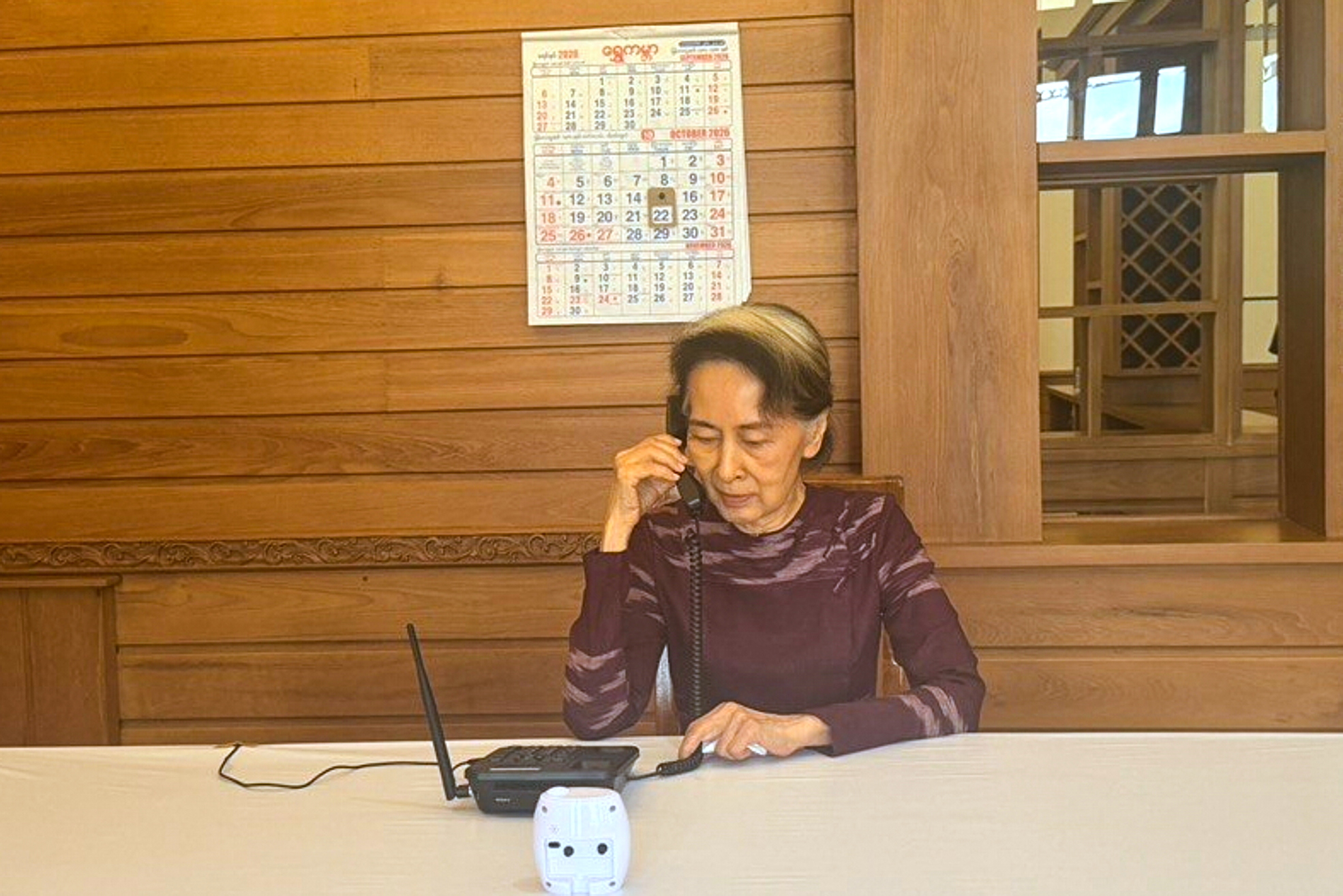
Imagine waiting almost six years just to hear your mother's voice. Not a long conversation or a heated debate. Just proof she's still there, breathing, speaking, alive.
When news broke that ex-Myanmar leader Aung San Suu Kyi's son finally heard her voice after nearly six years, it hit harder than another dry diplomatic update. For years, outsiders have had to piece together what's happening inside Myanmar's prisons and compounds through rumors, leaks, and occasional glimpses of her through state media or lawyers. Honestly, when a political figure is locked away that long, a single phone call or audio connection becomes a huge deal. It tells us something about access, control, and survival.
Let's be real, though. A voice on the line doesn't mean freedom. Nor does it mean the military junta in Myanmar has suddenly had a change of heart. What it actually highlights is how tightly controlled information around Aung San Suu Kyi has been since the February 2021 coup, and how strange and isolating long-term political detention looks from the outside.
Why Aung San Suu Kyi Remains Central to Myanmar Politics
Aung San Suu Kyi isn't just another detained politician. For decades, she was the face of Myanmar's pro-democracy movement, spending roughly fifteen years under house arrest between 1989 and 2010 before her National League for Democracy party swept elections and entered power-sharing and civilian leadership roles.
When the military seized power in February 2021, detaining her and toppling the elected government, things snapped back into a grimly familiar pattern. Since then, she's faced a string of closed-door court cases and lengthy prison sentences handed down by junta-controlled courts. Critics and human rights groups have repeatedly called those proceedings politically motivated.
Still, I think people outside Myanmar sometimes misunderstand her current standing. She isn't running the resistance from a cell. Younger activists, ethnic armed organizations, and opposition groups like the National Unity Government have reshaped the fight on the ground over the past five-plus years, often with their own strategies and frustrations. Even so, her name carries massive symbolic weight. When her son finally hears her voice after nearly six years, people pay attention because she remains a lightning rod for legitimacy, memory, and grief.
What Isolation Does to a Political Icon
Keep someone out of sight long enough and two things happen. Supporters start wondering if the symbol they remember is fading or frail. Opponents try to act as if she's already history.
That's why communication—or the lack of it—matters so much in authoritarian systems. During her earlier periods of house arrest, her sons Kim Aris and Alexander Aris lived abroad in the United Kingdom and went long stretches without seeing her in person. Phone calls and letters were rare, heavily restricted, or cut off altogether. Hearing her voice after nearly six years isn't a neat turning point. It's a crack in a very thick wall.
The Information Blackout Around Her Detention
If you've followed Myanmar since 2021, you already know how murky basic facts can be. Independent journalists inside the country face arrest, censorship, and severe safety risks. Foreign reporters have been heavily restricted. And updates about Aung San Suu Kyi's health, living conditions, and contact with family or legal counsel have been sporadic and tightly managed.
Let's look at the big mistake casual observers make when reading headlines like this. They treat a rare moment of contact as proof that full transparency has returned. It hasn't.
In high-control environments, limited contact is often a tool of management rather than a sign of thaw. Authorities decide who speaks, when they speak, what gets shared, and what stays buried. Even when a family member hears a voice after years of silence, key questions usually remain unanswered—like her exact health status, whether she's getting proper medical care, and when—or if—she'll be allowed regular contact again.
What This Moment Reveals About Myanmar Today
A family reconnection is deeply human, and you don't need a political science degree to feel the weight of a son finally hearing his mother after nearly six years. At the same time, viewing this strictly as a heartwarming personal story misses the bigger picture in Myanmar.
Myanmar's crisis isn't a frozen tableau from 2021. It's an active, brutal conflict involving the military junta, ethnic resistance forces, and People's Defense Forces across multiple regions, alongside severe displacement and humanitarian strain documented by organizations like the United Nations and Amnesty International.
Here's what matters if you're trying to read the situation clearly:
- Symbolism isn't strategy. Aung San Suu Kyi still commands deep loyalty among many ordinary people, yet armed resistance and local governance networks now drive much of the day-to-day pushback against the junta.
- Access is leverage. Whenever the junta allows a tiny window of contact or visibility, it's worth asking what message the regime wants to send—and what it wants to keep hidden.
- Human cost outlasts headlines. Years of separation take a toll on families, political movements, and entire generations growing up under instability.
What to Watch Next and How to Follow Accurately
If you want to keep track of developments around Aung San Suu Kyi and Myanmar without getting pulled into rumor mills, stick to a few practical habits:
- Check independent and human rights reporting first. Look at verified reporting from established outlets and monitors such as Human Rights Watch, Amnesty International, and the United Nations Office for the Coordination of Humanitarian Affairs for context beyond a single viral headline.
- Separate personal updates from political shifts. A family member hearing her voice is big news personally, not automatic proof of policy reform or release.
- Follow voices inside and around Myanmar. Pay attention to independent Myanmar media outlets and regional analysts who track both political detainees and shifting ground realities across states and regions.
Six years is a long time to wait for a voice. Whether that voice brings a sliver of reassurance to her family or sparks another wave of global attention, the real test of Myanmar's future still sits far beyond a single call.