The federal courtroom showdown over White House press credentials has laid bare an uncomfortable reality about modern political communication. When a federal judge blocked the administration from enforcing a ban on reporters from CNN, MS NOW, and Politico, it did more than settle a temporary constitutional dispute. It exposed the fragile mechanics governing how information flows from the executive branch to the public. For decades, the White House press briefing room has operated on an unwritten social contract, a blend of administrative custom and legal boundaries that is now cracking under intense partisan pressure.
The core of the dispute centers on constitutional protections versus executive discretion. Attorneys representing the administration argued that physical access to the White House grounds and travel pool events is an administrative privilege rather than an absolute right. From this perspective, an executive branch should retain the authority to manage its workspace, choosing which organizations receive proximity to power. Yet, the judiciary drew a sharp line against viewpoint-based discrimination. US District Judge Timothy Kelly determined that barring specific outlets over coverage disputes likely violated the First Amendment and due process rights, reinforcing the principle that government property cannot be weaponized to punish independent journalism.
This legal friction highlights a deeper structural shift in how political communication functions. Traditional press pools were designed to ensure that a diverse cross-section of the media could record statements, question officials, and hold power accountable on behalf of the citizenry. When access becomes a reward system, the relationship between the state and the press transforms from adversarial accountability into managed compliance. The temporary suspension of press pool coordination by major networks during the height of the standoff demonstrated just how quickly the machinery of newsgathering can grind to a halt when the foundational rules of engagement are disrupted.
Beyond the courtroom drama, the episode signals a permanent evolution in executive-media relations. Future administrations will undoubtedly study this litigation to find new avenues for exerting pressure on critical reporting. The bright line drawn by the judiciary offers a temporary shield, but it also invites a more calculated administrative approach to managing press interactions. Physical credentials can be protected by injunctions, but the broader access to exclusive interviews, informal background briefings, and off-the-record information remains entirely within the discretion of the West Wing.
As the dust settles on the judicial ruling, the fundamental tension remains unresolved. The press corps is back on the White House grounds, but the environment has fundamentally changed. Trust has been replaced by procedural vigilance, and every interaction between a reporter and an official is now viewed through the lens of potential litigation. The battle over who gets a seat in the room has settled for now, but the war over the definition of institutional accountability is only entering its next phase.
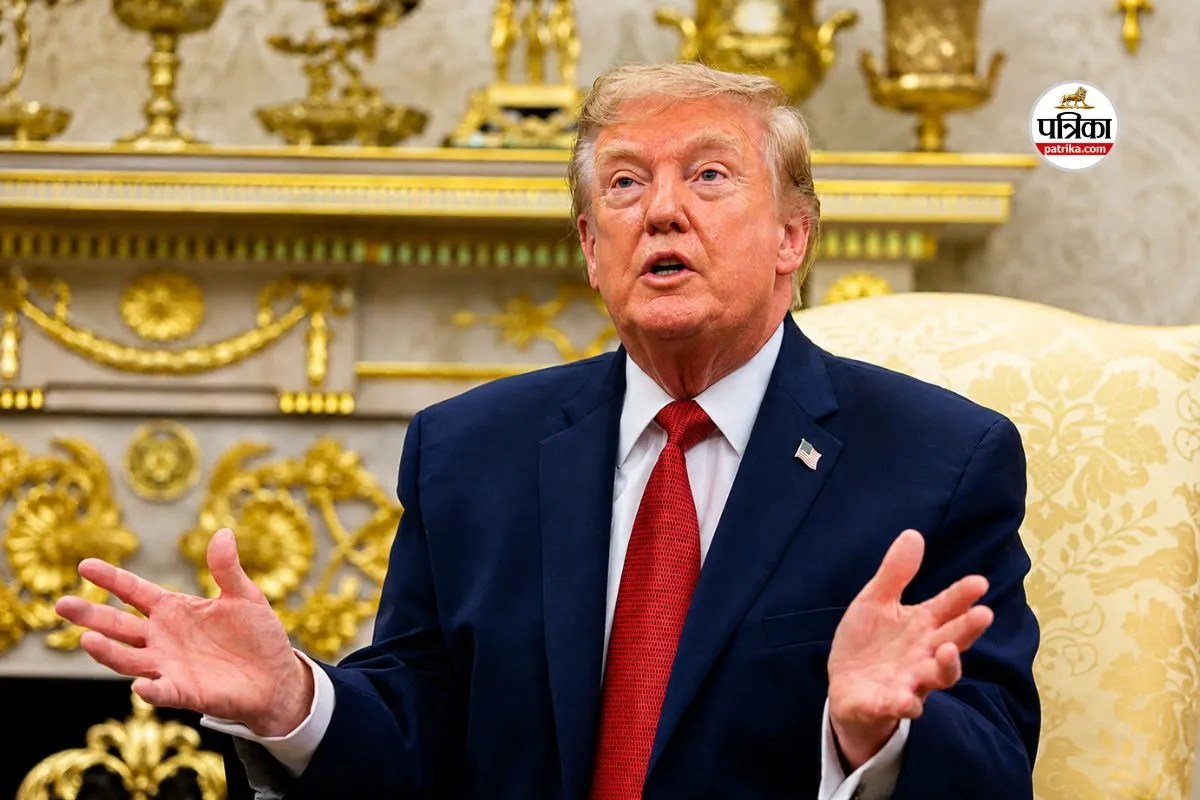
Judge Says Trump's White House Ban On CNN And Politico Likely
This video provides an overview of the federal court's decision regarding the legality of the White House press restrictions.