Headlines flash across screens every single day, reducing human lives to numbers. We see casualty counts scrolling past while we sip our morning coffee. But behind every single statistic lies a shattered family, a disrupted community, and a reality that most people outside the conflict zone refuse to truly grasp. When reports surface about civilian casualties, particularly involving young children, the shockwave hits local communities instantly. Yet the international response often feels distant, clinical, and detached from the actual suffering on the ground.
Understanding the Escalation
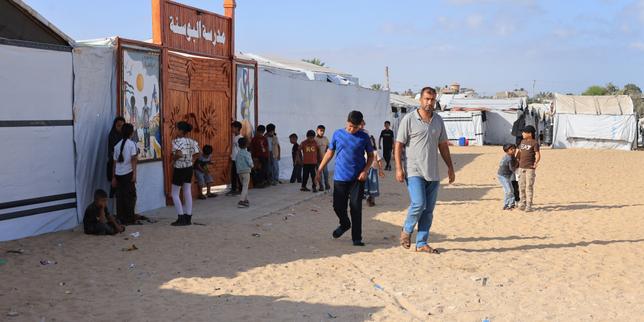
Violence doesn't happen in a vacuum. Decades of political stalemate, blockades, and failed peace initiatives have created a pressure cooker. Every flare-up brings fresh destruction, targeting infrastructure that takes years to rebuild. Hospitals struggle with basic medical supplies. Schools transform into emergency shelters. Families pack whatever they can carry and move from one unsafe neighborhood to another, searching for a refuge that simply doesn't exist.
When military strikes hit residential areas, the immediate aftermath is chaotic. Neighbors dig through concrete with their bare hands. Medics dodge secondary threats to reach the wounded. The psychological toll on survivors—especially children who have known nothing but conflict—is staggering. They grow up surrounded by the sounds of drones and explosions, carrying trauma that won't fade even if the shooting stops tomorrow.
The Media Blindspot
Mainstream news outlets often report these events through a sterile political lens. They focus on strategic objectives, military statements, and diplomatic maneuvering. What gets lost in translation is the mundane reality of daily survival. How do you find clean water when the local plant is bombed? How do you comfort a child shaking from fear when the windows shatter?
Journalists reporting directly from the region face impossible odds. Movement is restricted. Communications get cut off. Verifying facts in real-time is a constant struggle against disinformation and censorship. Despite these barriers, eyewitness accounts and local reporters keep pushing the truth forward, refusing to let the world look away.
Why This Cycle Persists
Diplomacy has failed repeatedly. Temporary ceasefires bring brief moments of relief, but they fail to address the root causes of the occupation and blockade. Without a genuine political shift, the underlying conditions remain unchanged. Security measures meant to protect one side only deepen the despair and anger on the other, ensuring that the next generation inherits the exact same grievances.
Change requires more than empty condemnations from world leaders. It demands accountability, sustained humanitarian access, and a willingness to confront hard political truths. Until the international community moves past symbolic gestures, the cycle of violence will continue to claim innocent lives, leaving families to mourn in the rubble while the rest of the world moves on to the next news cycle.