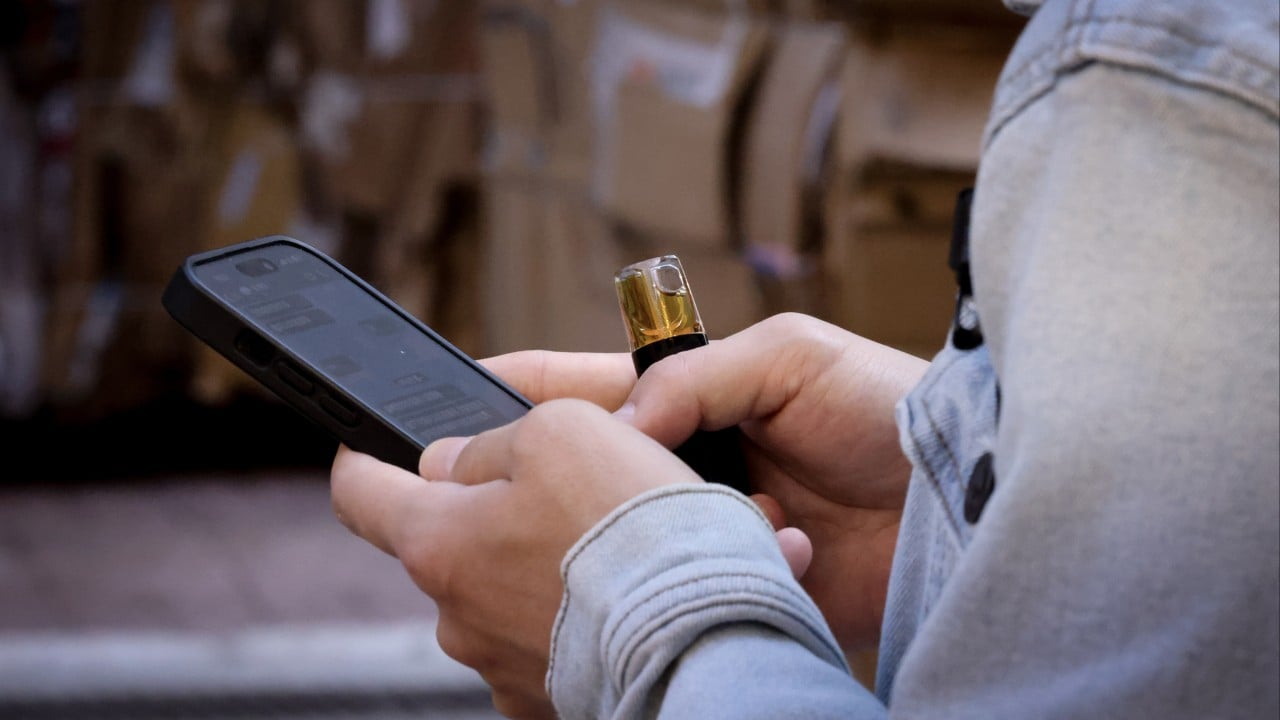
Starting April 30, 2026, the simple act of carrying a vape in a Hong Kong park or street becomes a criminal liability. This is the endgame of a multi-year legislative squeeze designed to make the city entirely smoke-free, and it introduces a two-tier penalty system that separates the casual user from the commercial distributor. If you are caught with a pod in your pocket, the "I bought this before the ban" excuse no longer carries weight. The grace period for personal possession in public is over.
For years, a legal gray area allowed residents to use alternative smoking products (ASPs) as long as they didn't buy or import them within city limits. That loophole has been slammed shut. The new enforcement framework under the Smoking (Public Health) Ordinance targets the "possession" of specified ASPs, including e-cigarettes, heated tobacco products, and herbal cigarettes. The government’s logic is cold and surgical: if you cannot legally buy it, sell it, or bring it into the country, you should not have it on your person in public.
The Two Tier Financial Hit
The Department of Health has structured the penalties to distinguish between personal use and what they suspect to be illicit trade. Under the first tier, anyone found possessing a "small quantity" of ASPs in a public place faces a fixed penalty of HK$3,000. The law defines a small quantity as less than 5 capsules, 5mL of e-liquid, or 100 heat sticks. It is an expensive walk to the convenience store.
The second tier is where the situation turns from a nuisance to a life-altering legal battle. If an individual is found with quantities exceeding those limits, the authorities pivot from a fixed ticket to a formal prosecution. This is the "aggravating factor" threshold. Conviction under this tier carries a maximum fine of HK$50,000 and up to six months in prison. For the casual vaper who stocks up via the black market to avoid frequent "re-ups," the risk of being classified as a commercial possessor is now a mathematical certainty.
The Presumption of Guilt
Enforcement is bolstered by a legal presumption that simplifies the job for Tobacco and Alcohol Control Inspectors. If you are seen smoking or even just carrying an "activated" device—one that is switched on or ready to use—you are legally presumed to be in possession of the ASP. This removes the burden on the officer to prove the device contains a prohibited substance at the moment of the stop. If it glows or heats, the fine is coming.
This aggressive stance is part of a broader tactical shift. Earlier this year, on January 1, 2026, the city already hiked fines for traditional smoking and expanded no-smoking areas to include a three-meter buffer zone around schools, hospitals, and elderly care homes. By layering the vape possession ban on top of these expanded zones, the government has essentially created a city-wide minefield for nicotine users.
The Black Market and Space Oil
Beyond the official goal of a 7.8% smoking rate, there is a darker motivator for this crackdown: the rise of "space oil." This is the street name for e-liquids laced with etomidate, an anesthetic that has caused a surge in hospitalizations and clandestine trade. By banning public possession of all vapes, the police gain a low-threshold tool to intercept drug users who previously hid behind the "it’s just nicotine" defense.
Health Secretary Lo Chung-mau has been transparent about the trajectory. The outdoor ban is a test run. The administration's plan is to let the public grow "accustomed" to the absence of vapes in the streets before moving the ban into private indoor spaces and residential buildings. It is a slow-motion strangulation of the habit.
The Traveler's Blind Spot
Tourists and business travelers remain the most likely to be caught in the dragnet. While residents have watched the legislation evolve, a visitor arriving at Hong Kong International Airport may not realize that their personal device, legal in their home country, is now a contraband item the moment they step onto the sidewalk in Tsim Sha Tsui. Customs has already been seizing devices at the border for years, but now, the Tobacco and Alcohol Control Office (TACO) will be hunting them in the wild.
The message from the Department of Health is unambiguous. If you still vape, do it behind closed doors, or prepare to pay the price of the city’s ambition to be the first smoke-free metropolis in the region. There are no more warnings.
Discard any remaining pods before April 30 or ensure they never leave your drawer.