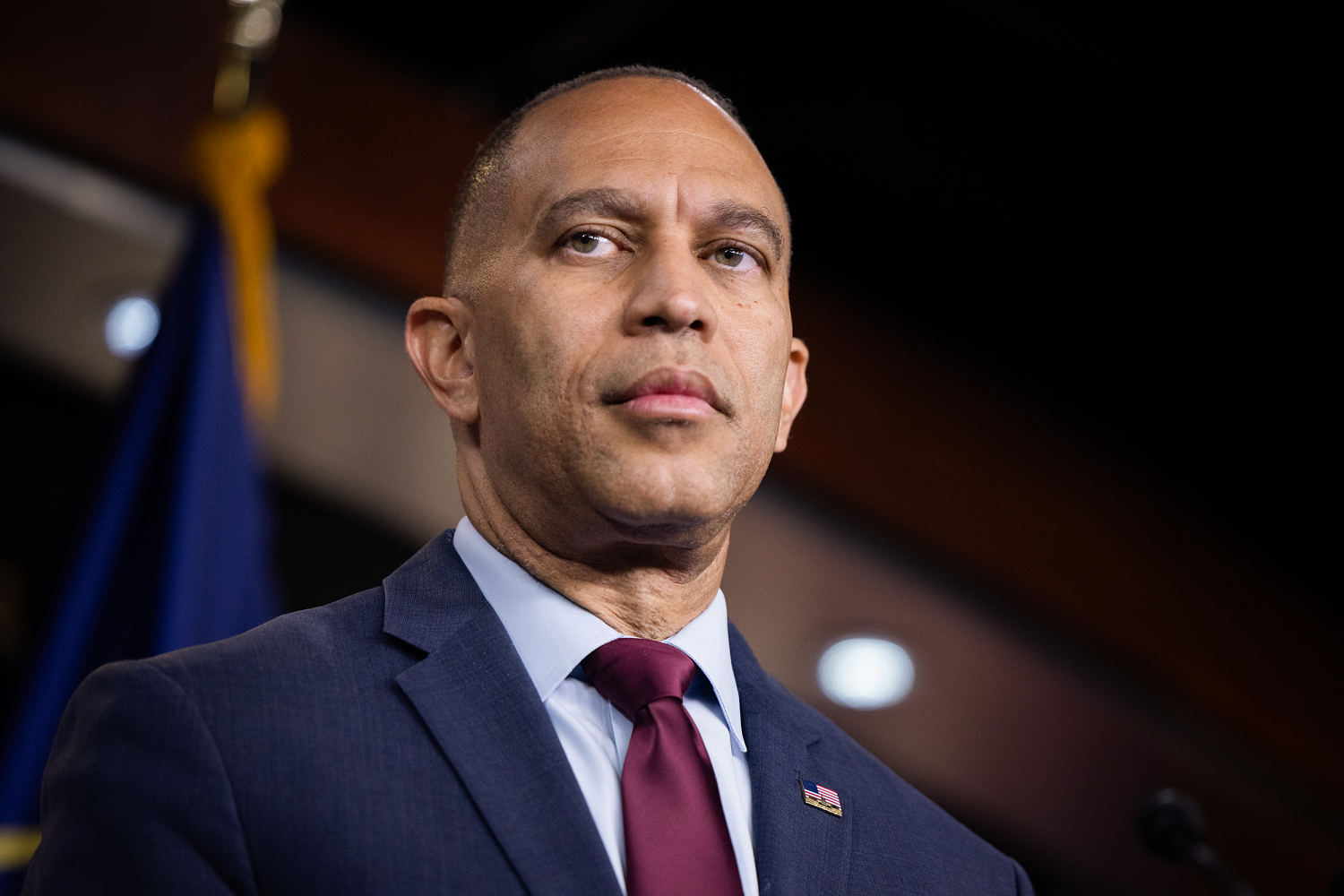
If Democrats grab the speaker's gavel in next year's Congress, the entire legislative playbook is already written. It centers on medical bills, insurance subsidies, and prescription drug costs. Voters do not care about procedural stunts. They care about the fact that basic medical care feels entirely out of reach.
For the past two years, the national debate has turned into a brutal split screen. One side pushes for aggressive federal budget cuts. The other scrambles to keep health insurance afloat for millions of working families. If Democrats manage a comeback in the lower chamber, their immediate survival depends on translating voter anger over medical debt into concrete legislative wins.
The Subsidy Cliff Everyone is Ignoring
The single biggest ticking clock in Washington involves enhanced Affordable Care Act tax credits. When these subsidies face expiration dates, millions of Americans stare down overnight spikes in monthly premiums.
Democrats plan to make permanent extensions of these tax credits their absolute first order of business. They know the math. If premiums double for middle-class families right before an election cycle, the backlash is swift and unforgiving.
Republicans argue these programs bloat federal spending. Yet, Democratic strategists counter that letting subsidies lapse amounts to a backdoor tax hike on working people. Expect floor fights over this within the first hundred days.
Lowering Prescription Drug Costs for Real
The party's second major priority involves taking the gloves off when dealing with pharmaceutical companies. Medicare drug price negotiation was a massive talking point, but voters want faster implementation and deeper price caps on everyday maintenance medications like insulin.
Lawmakers plan to expand the number of drugs subject to federal price negotiation. They also want to cap out-of-pocket costs across commercial insurance markets, not just for seniors on Medicare.
Pharma lobbyists are already pouring millions into defensive campaigns. They claim price controls stifle innovation. Democrats counter that charging Americans triple what citizens pay in other wealthy nations is pure corporate greed. It is a populist message that plays well in tight suburban districts.
Protecting Medicaid from State-Level Cuts
Behind the high-profile battles over insurance exchanges sits a quieter crisis. States are slashing Medicaid rolls, leaving emergency rooms jammed with patients who delayed routine visits.
A Democratic House leadership will likely use federal funding leverage to force state compliance. They want to penalize states that aggressively purge low-income residents from healthcare rolls without proper verification.
Hospital associations are quietly cheering this approach. Emergency departments absorb billions in uncompensated care every single year. When coverage drops on paper, hospitals bleed cash in reality. Fixing this dynamic means stabilizing rural facilities that teeter on the brink of bankruptcy.
The Political Reality Check
Winning the House is only half the battle. Passing sweeping healthcare reforms requires navigating narrow margins and intense partisan hostility.
If you are watching this fight unfold, stop expecting grand bipartisan consensus. Both parties are dug into ideological trenches. Democrats are betting that voters care more about protecting their doctors and lowering drug prices than they do about abstract deficit targets.
The mandate is clear. Deliver affordable care or face immediate electoral punishment.
What Health Policy Katie Keith Is Watching In 2026
This video provides a helpful breakdown of the major health policy shifts and legislative focal points shaping the regulatory landscape this year.
http://googleusercontent.com/youtube_content/1