The air inside the treatment center smells of chlorine and damp earth. It is a heavy, suffocating scent that clings to the back of the throat long after you leave the red-zoned perimeter. Here, every surface is scrubbed until it shines with a sterile menace, yet the virus does not care for bleach. It moves through touch, through sweat, through the quiet desperation of a mother tending to a feverish child in the dark of night.
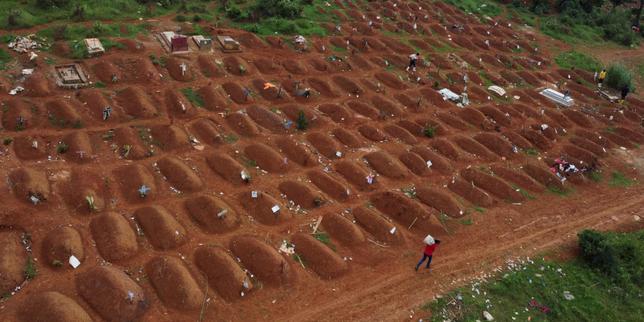
This is the tenth Ebola epidemic in the Democratic Republic of Congo. But numbers have a way of draining the blood out of a catastrophe. Three thousand lives lost. The statistic sits on a page like a cold monument, completely divorced from the reality of what it means to watch a community unravel from the inside out.
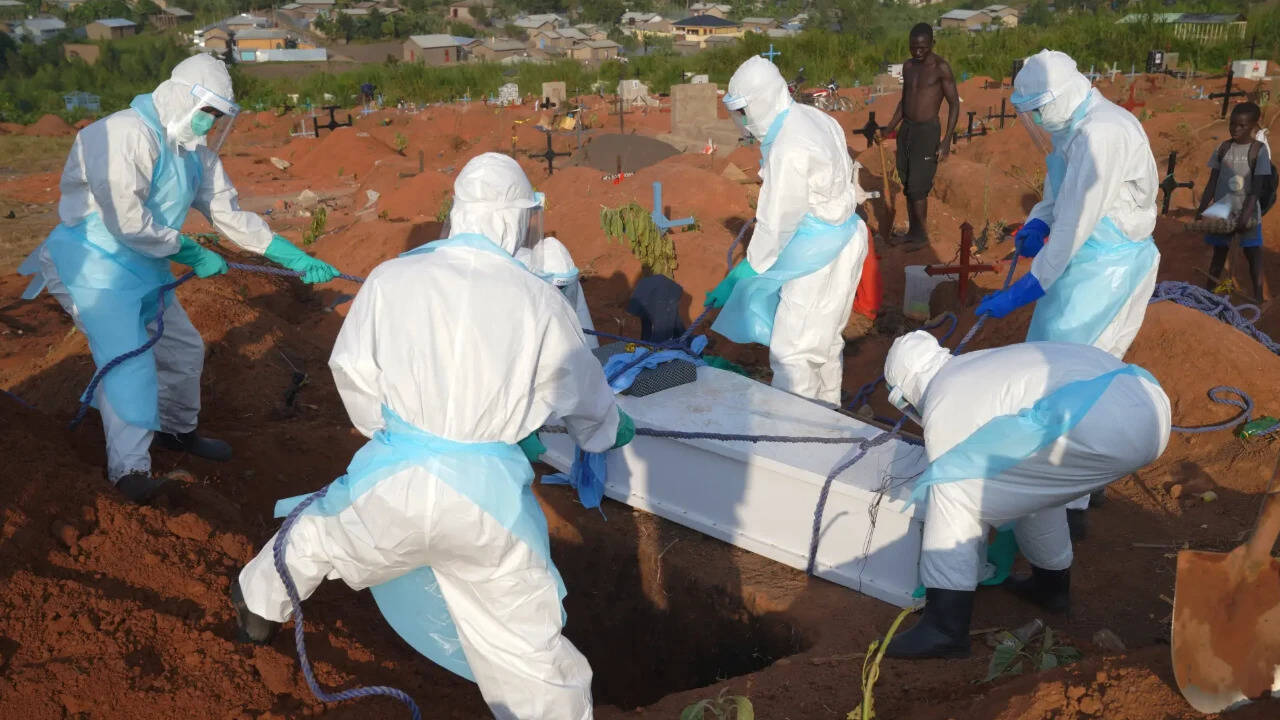
Consider a hypothetical healthcare worker named Jean, stationed in North Kivu during the darkest months of the outbreak. Jean wakes up before dawn, straps rubber boots over his trousers, and pulls on a yellow hazmat suit that instantly turns into a personal sauna under the equatorial sun. He is not thinking about geopolitics or public health infrastructure. He is thinking about whether the generator will hold out through the afternoon, and whether the village elders two miles down the road will let the burial team approach the latest victim without throwing stones.
Fear is a rational actor here. When an invisible predator strikes with a seventy percent mortality rate, turning the human body inside out with relentless vomiting and hemorrhaging, mistrust becomes a defense mechanism. Decades of institutional neglect, armed conflict, and broken promises have left deep scars across the region. So when men in white plastic suits arrive carrying chlorine sprayers, people do not always see saviors. They see harbingers of a strange, foreign doom.
Overcoming that barrier required more than medicine. It required humility.
Epidemiologists and local leaders had to learn to sit under mango trees and listen before they spoke. They had to respect grieving rituals while adapting them to keep the living safe. Imagine convincing a grieving father that he cannot wash his daughter's body for burial—a custom older than memory, deeply woven into the spiritual fabric of the community. That friction is where the real war was fought. Not just in the laboratories or the intensive care tents, but in the fragile spaces of human dignity and grief.
The logistics alone read like a military campaign orchestrated in a nightmare. Medical supplies had to be flown into remote airstrips, then trucked along mud-slicked tracks carved through dense rainforests, dodging active rebel checkpoints. Cold chains for experimental vaccines had to be maintained across regions with sporadic electricity grids, relying on portable solar refrigerators and sheer determination. Every dose of vaccine delivered to an exposed contact was a race against a biological timer that ticked down in hours.
Yet, despite the chaos, science offered a stubborn glimmer of hope. For the first time in history, clinicians had powerful tools at their disposal. Monoclonal antibodies and targeted therapeutics began to turn the tide, transforming what was once a near-certain death sentence into a manageable illness, provided patients reached the clinic early enough.
That qualification remains the cruelest irony of public health crises. Medicine can only save those who walk through the door.
When suspicion runs high, people hide their sick relatives in back rooms, treating them with herbal remedies until it is too late. The virus feeds on silence and secrecy. Breaking that cycle meant deploying local youth as contact tracers, walking familiar paths to check on neighbors, turning former skeptics into frontline ambassadors of survival.
The epidemic eventually receded from the front pages, swallowed by the relentless churn of global news cycles. But the ripple effects remain etched into the social topography of the Congo. Entire generations of children were orphaned. Communities were fractured by suspicion and loss. Healthcare workers carry the invisible weight of triage decisions made under impossible conditions, haunted by the faces of those who could not be saved.
To look at the three thousand dead is to confront the fragility of the systems we take for granted. It is a reminder that health is not merely the absence of disease, but the presence of trust, infrastructure, and radical empathy.
The rain falls hard on the tin roof of the clinic, drumming a frantic rhythm against the metal. Inside, a nurse logs the final discharge of the week, closing a ledger that weighs heavier than lead. Outside, the forest breathes, indifferent to the history carved into its soil, while life slowly, tentatively, begins again.