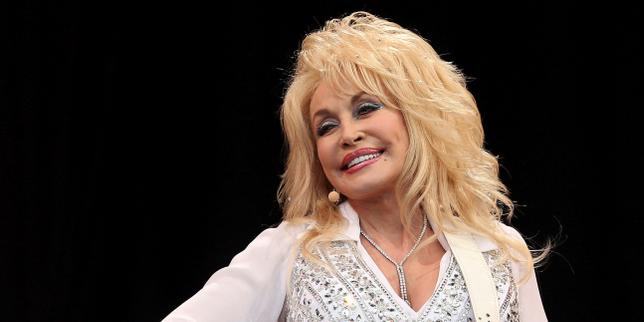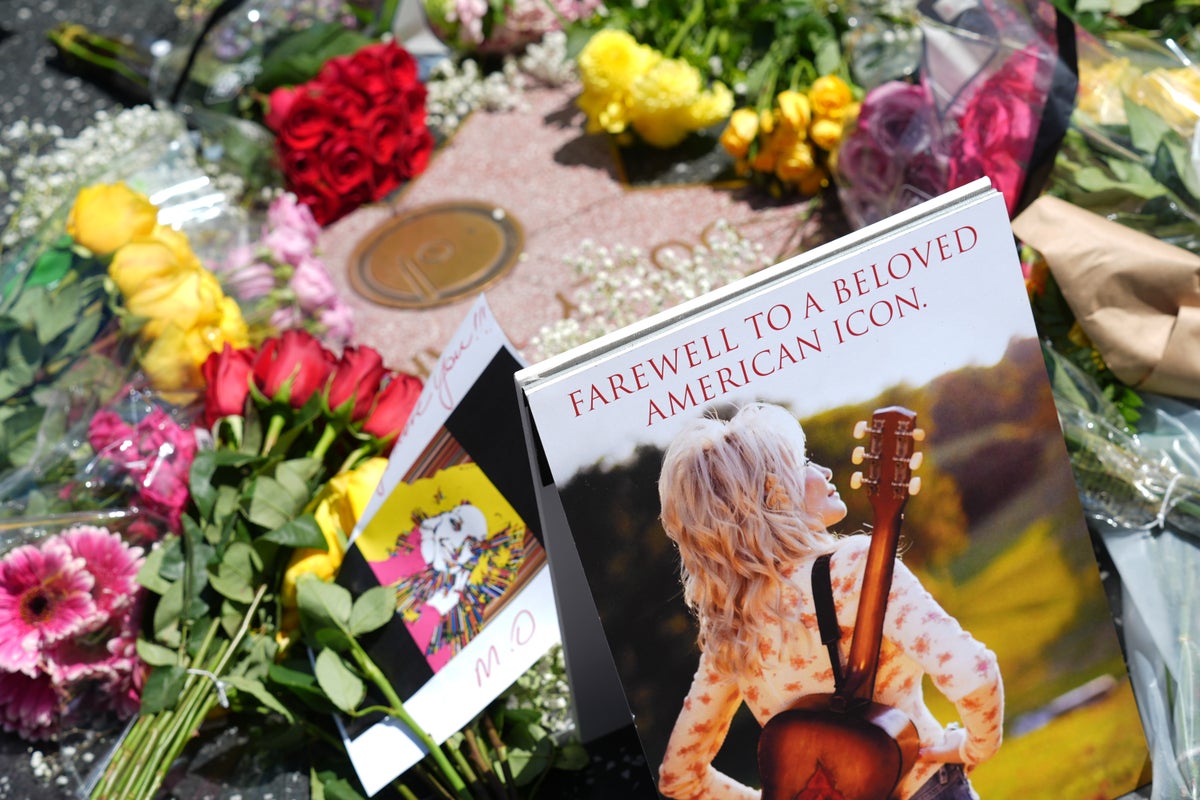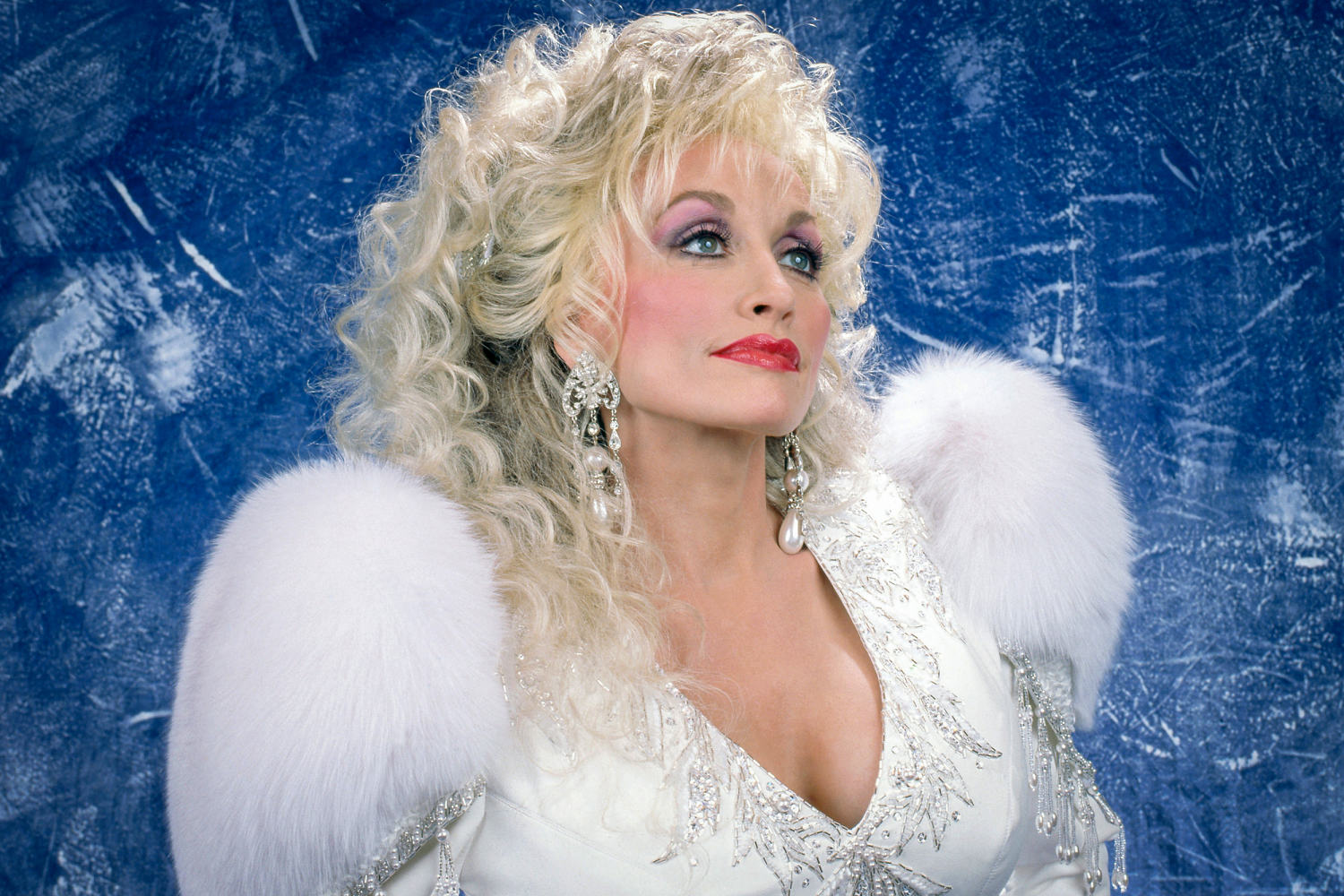
Dolly Parton died at the age of 80 following a brief battle with cancer, leaving behind an empire built on relentless work ethic, razor-sharp copyright ownership, and Appalachian grit. Her passing marks the end of an era for American culture, closing the chapter on a six-decade career that stretched from a one-room cabin in Locust Ridge, Tennessee, to global superstardom. Most public retrospectives will focus on the rhinestones, the platinum wigs, and the disarming self-deprecation. They will replay the chorus of Jolene and cite the staggering sales figures of Whitney Houston's cover of I Will Always Love You. Those milestones matter. Yet they obscure the harder, more calculating architecture of a master strategist who treated the music industry like a chess board and won every single match.
The Copyright Fortress That Built an Empire
Long before modern pop stars began buying back their masters, a young woman from Sevier County understood that ownership was the only shield against poverty. When Elvis Presley wanted to record I Will Always Love You in 1974, Colonel Tom Parker demanded half of the publishing rights as a standard condition. Parton said no. It was a terrifying gamble for an artist still solidifying her solo footing, turning down the biggest entertainer on earth because she refused to surrender her future financial security.
Decades later, that single decision yielded millions when Whitney Houston's recording conquered the global charts. Parton did not spend her career hoping for industry benevolence. She created Velvet Apple Music and Blue Valley Music, locking down her catalog with absolute discipline. She wrote thousands of songs, maintaining total control over every lyrical line and melodic hook. While her peers routinely signed away their rights for quick cash advances, she treated every composition as real estate.
Weaponizing the Joke to Disarm the Boardroom
The cultural caricature of Dolly Parton was a carefully calibrated illusion. She famously quipped that it cost a lot of money to look this cheap, weaponizing self-deprecation so that executives, interviewers, and gatekeepers would underestimate her intellect. Underneath the theatrical facade sat an executive who routinely out-negotiated hardened corporate lawyers.
When she invested in a decaying theme park in Pigeon Forge, Tennessee, in 1986, local skeptics predicted financial ruin. She renamed it Dollywood, transforming a regional attraction into an economic juggernaut that anchors the tourism economy of East Tennessee and employs thousands of local workers. She did not merely lend her name to the venture; she held a majority ownership stake, treating the park as a multi-layered ecosystem of entertainment, retail, and regional uplift. She understood branding before the tech industry coined the term, turning her persona into a bulletproof corporate asset while keeping her private life with her late husband, Carl Dean, strictly off-limits.
Philanthropy as an Infrastructure of Dignity
Charity from the wealthy is often designed for tax shelters or ego preservation. Parton approached philanthropy with the same practical logistics she applied to her business ventures. Founded in 1995 in honor of her illiterate father, the Imagination Library grew from a localized initiative into a global distribution network that mails millions of free books to children every month. She bypassed bureaucratic red tape by funding the program directly through her foundation, ensuring that literacy reached remote hollows and urban centers alike without political interference.
When the catastrophic wildfires ravaged the Smoky Mountains in 2016, she mobilized relief funds within hours, distributing one thousand dollars a month to displaced families to keep them afloat while their homes were rebuilt. When the world scrambled for a medical solution in 2020, she quietly dropped a million dollars into Vanderbilt University Medical Center, funding early research that accelerated the development of the Moderna vaccine. She did not lecture; she built delivery systems.
The Raw Materials Left Behind
The corporate machinery will attempt to sanitize her legacy into a comforting grandmotherly icon. That version is convenient, but it is incomplete. She leaves behind thousands of unrecorded vocal tracks and unreleased compositions tucked away in vaults, including a secret song locked in a time capsule at Dollywood scheduled to open in 2045.
She engineered her departure with the same meticulous timing that defined her professional life, ensuring that her family, her catalog, and her charitable trusts remain insulated from corporate predators. The sequins and the charm were real, but they were the armor for a fierce, uncompromising intellect that fundamentally changed how independent artists survive and conquer the machine.