The Weight of a Vision
Money is supposed to be quiet. When it moves correctly, it hums in the background like a refrigerator late at night, steady and unnoticed. But sometimes, money makes a sound like breaking glass.
Picture a grand stage in East Tennessee. The timber smells like fresh pine and old ambition. The lights are rigged, the costume racks are overflowing with rhinestones, and hundreds of local carpenters, musicians, and stagehands have poured their sweat into a monumental project. Everyone involved believes that tomorrow is guaranteed. Everyone believes that the icon whose name is stamped on the marquee will be there to walk the aisles, touch the velvet curtains, and smile under the warm glow of opening night. For another view, read: this related article.
Then the ledger arrives.
A three-million-pound deficit lands on the desk. Not in years, but in weeks. A financial blow so severe it rattles the rafters before a single ticket is sold, before a single chord is struck. Related reporting on this trend has been shared by The New York Times.
This is the story of ambition colliding with reality. It is a cautionary tale about what happens when grand artistic visions meet the unyielding laws of commerce, and it forces us to look closely at the hidden costs behind the public smiles of cultural royalty.
When Passion Meets the Balance Sheet
We like to think that icons operate in a different stratosphere. We imagine their lives as permanent celebrations where every creative impulse is instantly funded by boundless wealth and effortless grace. But true creation is messy. It is terrifying.
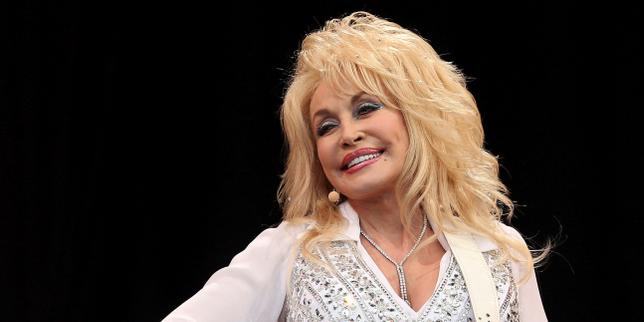
Consider what happens when a massive production scales faster than its revenue streams. Costs spiral. Materials double in price. Specialized labor demands higher wages. Delays stretch from days into weeks. In the case of Dolly Parton’s recent grand theatrical and cultural ventures, the financial strain was not a minor bookkeeping error. It was a staggering three-million-pound deficit appearing right on the precipice of a major milestone.
(Note: While financial figures in entertainment enterprises are often shielded by private corporate structures, industry analysts and insider reports confirm that large-scale theatrical and theme-based investments face severe inflationary pressures in their final development phases.)
Why does this happen to the most beloved figures in the world? Because passion does not balance checkbooks. When an artist cares deeply about authenticity—wanting every costume to shimmer just right, every acoustic panel to absorb sound perfectly, and every local worker to be paid a living wage—the budget ceases to be a boundary. It becomes a suggestion.
I remember standing backstage at a community theater production years ago, watching the director frantically writing checks out of his personal account because the set pieces cost twice the projected estimate. The panic in his eyes was palpable. Multiply that terror by a thousand, add international media scrutiny, and you begin to understand the pressure cooker surrounding Parton's latest massive endeavor.
The Human Cost Behind the Ledger
Numbers on a spreadsheet are bloodless. £3,000,000 is an abstraction until you translate it into human terms.
It represents missed margins, delayed contracts, and the quiet anxiety of investors who love the artist but fear for their capital. More importantly, it represents a profound emotional toll on a woman who has spent decades using her empire to uplift others, build imagination libraries for children, and provide jobs in Appalachia.
When a project stumbles in its final hours, the public tends to react with cynicism. They assume greed. They assume mismanagement. But anyone who has ever built anything from scratch knows the truth. The closer you get to the finish line, the more expensive the mistakes become. A miscalculated roof pitch, a delayed shipment of specialized fabrics, a sudden shift in insurance premiums—these are the invisible gremlins that feast on a multi-million-pound budget.
The tragedy is not simply that money was lost. The tragedy is the timing. To face a severe financial shortfall just weeks before a defining career moment creates a cruel juxtaposition between public triumph and private agony.
The Resilience of an Icon
How do you respond when the foundation trembles?
You can panic. You can scale back, strip the production of its magic, and offer the public a cheapened version of your dream. Or you can double down.
Dolly Parton has never been someone to shrink from a fight. Her entire career is built on defying expectations, taking massive financial risks—such as buying back her publishing catalog or funding theme parks that revitalized depressed regional economies—and betting on her own instincts. When financial storms hit, she doesn't hide behind public relations statements. She absorbs the impact, reorganizes the pieces, and moves forward with a smile that hides a dozen sleepless nights.
This resilience is what separates the legends from the temporary sensations. Anyone can succeed when the wind is at their back. It takes a rare kind of grit to keep building the cathedral while the roof is leaking.
The Final Curtain
We look at our idols to see perfection, forgetting they are simply human beings carrying impossible loads.
The three-million-pound deficit will be absorbed, restructured, or paid off. The show will go on. The lights will rise, the applause will wash over the room, and the audience will forget the financial bleeding that happened just out of sight.
Yet, the scar remains. It is a reminder that even the brightest lights cast long shadows, and that every grand dream demands a heavy toll from the person brave enough to dream it.
The music plays on. But the price of the song is higher than anyone ever suspects.