The stone remembers what the valley forgets.
For centuries, the high limestone ribs of Slovenia bore a quiet, heavy armor. It was white, ancient, and blinding under the high Alpine sun. It hummed with the slow, grinding physics of compacted centuries—millions of tons of winter breath pressed so tight by gravity that it turned into blue-veined ice. It was the Triglav Glacier. And for generations of shepherds, climbers, and villagers huddled in the green folds beneath it, that ice was more than a frozen curiosity. It was a clock. It was a reservoir. It was an unyielding anchor at the roof of Europe. For a closer look into similar topics, we suggest: this related article.
Now, the clock has run down.
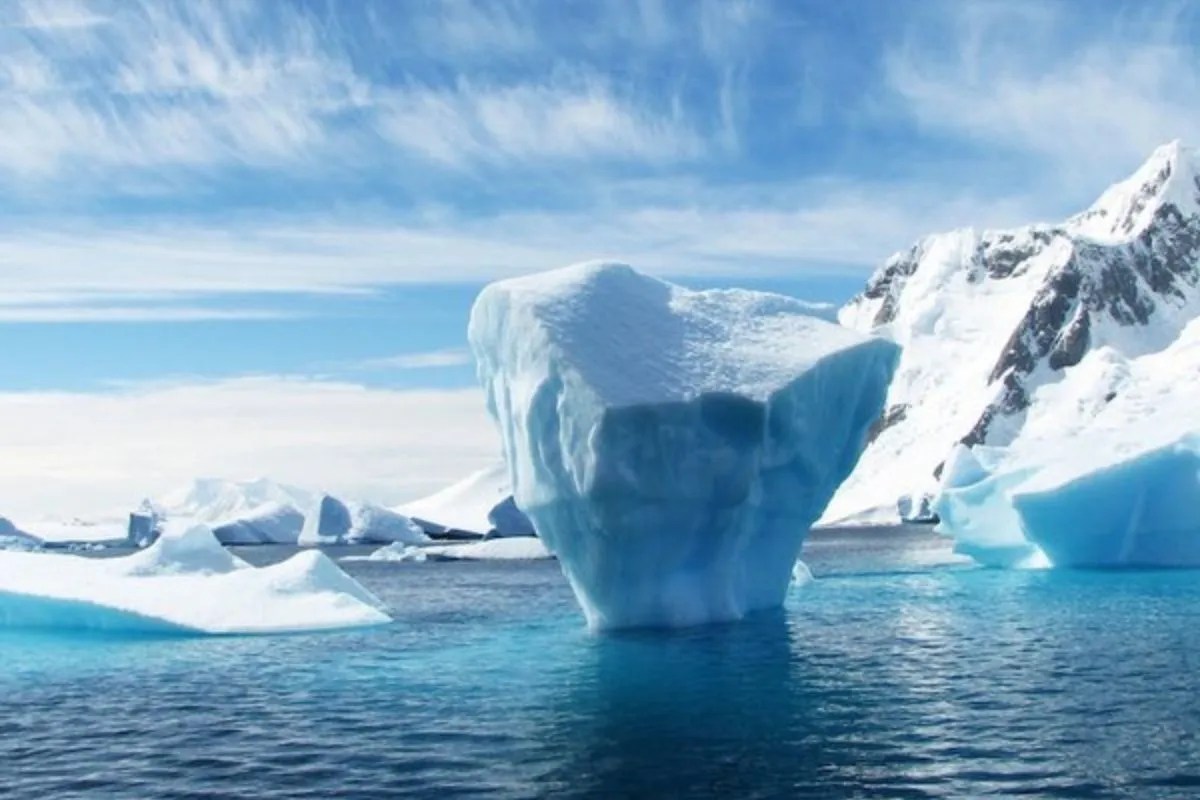
Stand today in the hollow of the Julian Alps where the glacier once groaned against the mountain wall, and the loudest sound is the ticking of your own watch. The ice is gone. What remains is a pathetic, graying wedge of dirty slush, a ghost clinging desperately to the shade of a cliff, scheduled by the calendar of a warming planet to vanish entirely within days. For further information on this development, extensive analysis can also be found at The Guardian.
When a glacier dies, it does not die in a dramatic avalanche or a cinematic roar. It dies in a whisper. It dies in the trickle of cold water slipping down a rock face where a frozen river used to hang.
To understand what is happening in Slovenia, you have to look past the abstract politics of global temperature charts and gaze instead at a wooden water trough in a mountain village fifty miles downstream.
Consider Mateo. This is a hypothetical portrait, but it is built from the bone and blood of a hundred real men and women who farm these slopes. Mateo is sixty-two. His grandfather built the stone dairy hut where Mateo now makes cheese from the milk of Brown Swiss cows. For his grandfather, water was a nuisance—something that fell from the sky in torrential autumns, something that choked the pastures with spring floods, something eternal. When Mateo was a boy, you could point to the white crown of Triglav in July and know that the mountain was sweating slowly, feeding the Sava River drop by measured drop through the blistering dry spells of August.
That safety valve is broken.
Without the glacier to regulate the melt, the mountain’s hydrological rhythm has turned schizophrenic. The winter snowpack arrives later, melts faster, and rushes down the steep limestone funnels all at once in April. By August, the riverbeds are bone-dry scars of white gravel.
This is the invisible crisis. When people talk about climate change, they talk about sea levels rising in places they will never visit, or distant ice sheets cracking in Antarctica. They talk in numbers that numb the brain—parts per million, Celsius fractions, gigatons. But the crisis in Slovenia is intimate. It is located right at the kitchen tap. It is locked in the dry soil of cornfields that haven't seen a steady drink in weeks. It is heard in the worried hum of municipal water boards calculating how many tanker trucks they will need to haul drinking water to alpine communities by late summer.
To grasp the mechanics of this collapse, forget the complex jargon of cryospheric science and think of a glacier simply as a giant savings account.
For thousands of years, the earth made regular deposits of snow during the long, freezing winters. During the short summers, it made small withdrawals by melting just enough ice to keep the rivers flowing steadily through the dry months. It was a balanced ledger. But over the past few decades, the deposits stopped matching the withdrawals. The climate warmed by just a fraction of a degree—barely enough to notice if you were walking outside in a sweater—but that tiny shift tipped the ledger. The account was overdrawn. The ice began to borrow against its future, and now, the account is completely empty.
The death of the Triglav Glacier is not an isolated tragedy. It is an obituary for an entire ecosystem.
When the ice retreats up the mountain, it leaves behind unstable, pulverized rock known as till. Without the roots of ancient flora or the cement of permafrost holding it together, this debris acts like a loaded gun pointed at the valleys below. The next heavy autumn storm—and the atmosphere, loaded with extra heat and moisture, delivers those storms with unprecedented fury—will turn that loose gravel into a mudflow. It will scour the valleys, choke the streams, and bury the pastures that families have tended for three hundred years.
We are witnessing the unraveling of a landscape that took ten thousand years to weave.
There is a strange, heavy grief in watching something vanish that outlived empires. The Romans marched past these peaks. The Venetian Republic traded timber from these forests. Wars swept across the lowlands, and kingdoms rose and fell, but the white crown of Triglav stayed put, indifferent to human drama. It was the one constant.
Now, even that constancy has surrendered to our new epoch.
When the last shred of the Triglav Glacier finally melts into the grey limestone grit this season, there will be no official ceremony. No politicians will gather to mourn a patch of slush the size of a football field. There will only be the wind moving through the dwarf pines, the dry clatter of stones rolling down a naked slope, and the quiet, mounting panic of communities bracing for a summer without water.
The white silence is breaking. What fills the void is up to us, but the mountain has already stopped speaking.