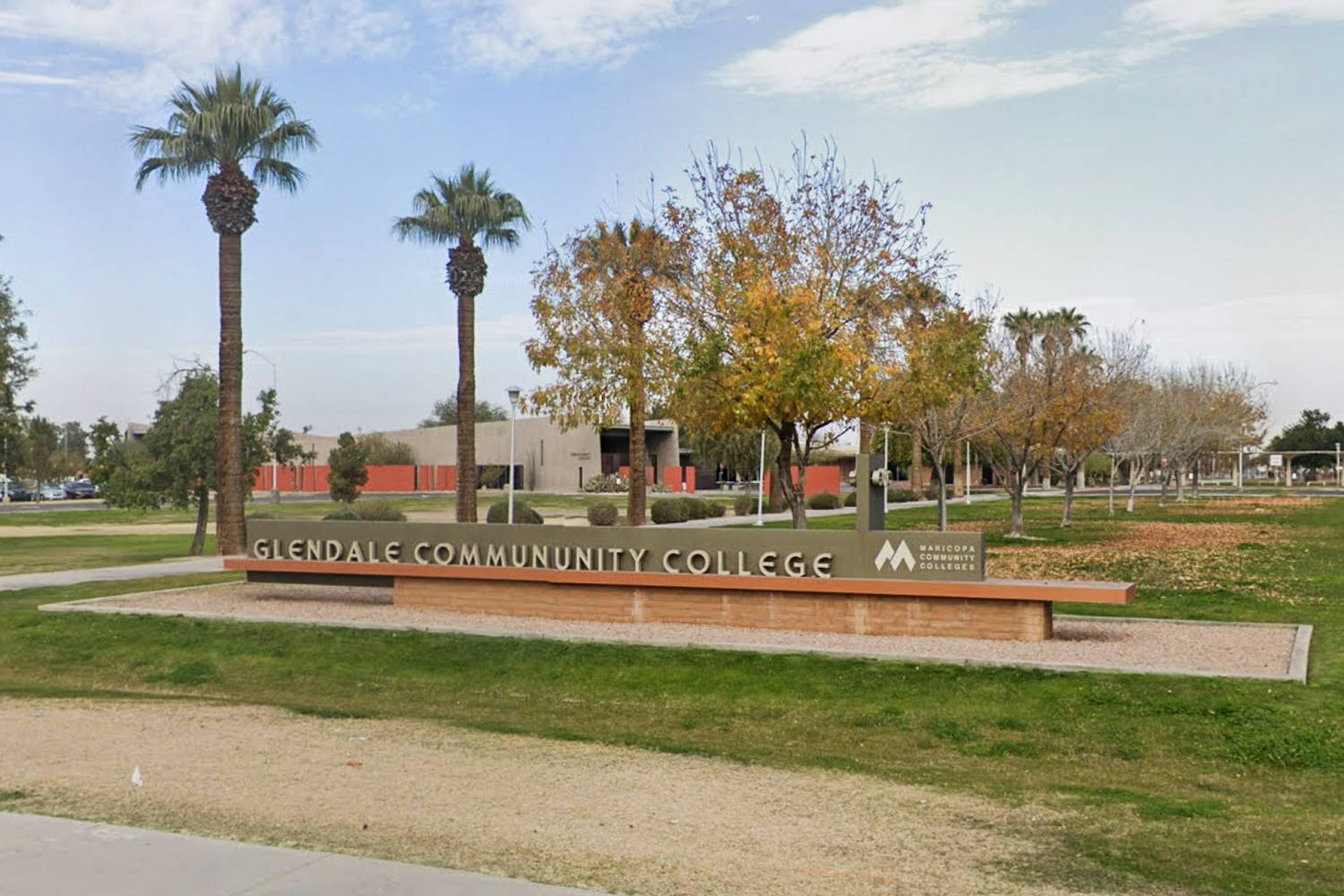
The tech blogs are having a field day. Headlines are screaming about an Arizona college that allegedly "skipped" several graduates at a commencement ceremony because of an AI malfunction. The narrative is as predictable as it is lazy: cold, unfeeling algorithms are ruining human moments, automation is a threat to dignity, and we need to return to the good old days of clipboards and index cards.
It is a comforting story for Luddites. It is also entirely wrong.
The panic over this incident completely misdiagnoses the problem. The failure in Arizona was not a failure of artificial intelligence. It was a failure of basic human operations masked by a tech buzzword. More importantly, the public outrage is directed at the wrong target. We are weeping over a botched name-reading ceremony while ignoring the systemic, six-figure catastrophe that higher education inflicts on students before they even buy their caps and gowns.
The Lazy Consensus on Automated Mistakes
Every major outlet covering this story falls into the same trap. They treat the technology as an autonomous entity that suddenly went rogue, like a low-stakes HAL 9000 denying a student their twenty seconds of stage time.
Here is what actually happens behind the scenes of modern event production. I have spent fifteen years auditing enterprise workflow systems and deployment pipelines. When a system fails to read a name or skips a cue at a live event, it is almost never because the algorithm suddenly rewrote its own code. It happens because of garbage data entry, untested edge cases in the user interface, or a total lack of human redundancy.
If a database loses a row during a sync, or if an administrator fails to validate a CSV upload of graduating seniors, the system will skip those names. Calling that an "AI malfunction" is a convenient scapegoat for administrative incompetence. It allows university PR departments to blame an external vendor or an abstract technical glitch rather than admitting that their own staff failed to run a basic dry run.
The Real Definition of Systemic Failure
To understand why this distinction matters, we have to look at how these systems are put together. True automation relies on deterministic logic—if X happens, then execute Y.
When universities buy software to manage large-scale events, they are usually buying glorified database management tools with text-to-speech or facial recognition layers stacked on top.
- Data Integrity vs. Algorithmic Error: A true algorithmic failure would be an image recognition system misidentifying a student based on biased training data. A student being skipped entirely is a database omission or a hardware latency issue.
- The Redundancy Illusion: Organizations implement automation assuming it eliminates the need for human oversight. In reality, automation increases the necessity for highly trained human operators who can override the system instantly.
The school failed because they treated a live event like an unattended batch process. They did not have a human spotter with a printed master list ready to cut the mic and read the name manually. That is not a tech problem. That is a leadership problem.
Stop Treating Commencement Like a Sacred Ritual
The collective weeping over these skipped graduates exposes a deeper cultural delusion. We treat college graduation like a sacred, irreplaceable rite of passage. We act as if the act of walking across a stage and hearing a mispronounced version of a surname validates four years of grueling work.
Let us be brutally honest: commencement is a high-priced marketing activation for the university.
It exists to generate photos for the alumni magazine, pacify parents who just bankrolled a small fortune, and kickstart the next cycle of donation requests. The ceremony itself has zero bearing on the student’s actual education, their employability, or their economic future.
Yet, when a technical glitch disrupts this theatrical production, the internet treats it like a human rights violation. Where is this same energy when universities hike tuition above inflation year after year? Where is the outrage when schools spend tens of millions on luxury dorms and administrative bloat while relying on underpaid adjunct professors to teach the actual classes?
We are furious that a machine forgot to say a student's name, but we are perfectly fine with the fact that the same student is leaving campus with $40,000 in high-interest debt and a degree that the modern job market is actively devaluing.
The Irony of the Anti-Tech Backlash
The immediate reaction to the Arizona incident from critics is a demand to ditch the tech entirely. "Bring back the index cards," they cry. "Trust human hands."
This is a terrible idea that ignores how human error actually scales. For decades, traditional commencement ceremonies were plagued by humans losing cards, reading the wrong names for the wrong people, dropping microphones, or simply fainting from heat exhaustion on the field. The introduction of digital scanning and automated cueing actually reduced the error rate of these massive events from a chaotic percentage down to fractions of a obscured percent.
When a human makes a mistake at a graduation, it is written off as an awkward, relatable moment. When a machine does it, it is framed as a dystopian nightmare. This double standard prevents organizations from actually improving their processes.
The contrarian truth is that we do not need less technology at graduation; we need better implementation. And more importantly, we need to stop caring so much about the ceremony itself.
The Actionable Truth for Graduates
If you are a student or a parent heading into a university system, you need to reframe how you view the entire enterprise.
Do not measure the value of your education by the smoothly coordinated theater of day four hundred. The real value is extracted in the dark, during the years prior, through ruthless networking, skill acquisition, and direct access to faculty labs or industry pipelines.
If a computer system glitches and skips your name on graduation day, it changes nothing about your actual worth or your trajectory. If you feel like your entire college experience was ruined because a speaker did not chime at the exact moment your foot hit a wooden stage, you did college wrong.
Fix the Balance Sheet, Not the Software
University boards will likely spend the next year reviewing their software vendor contracts, demanding guarantees, and adding layers of bureaucratic approval to their event planning committees. They will waste hundreds of thousands of dollars trying to ensure that their PR-heavy spectacle goes off without a hitch next time.
This is a misallocation of resources.
The real malfunction in higher education is not happening on the stage in May. It is happening in the financial aid office, the admissions department, and the career center every single day of the year.
Stop complaining about the automated voice that missed a name. Start complaining about the institutions that take your money for four years and deliver an obsolete product wrapped in a fancy ceremony. Demand a return on investment, not a flawless theatrical performance.