International diplomacy rarely moves in a straight line, but the recent civil nuclear agreement between Washington and Dhaka signals a sharp shift in regional energy alignment. When Bangladesh and the United States officially signed a Memorandum of Understanding on strategic civil nuclear cooperation, it wasn't just a routine bureaucratic handshake. It opened up a brand new chapter for a country traditionally reliant on foreign partnerships with Russia, China, and India for its heavy infrastructure.
If you look past the standard press releases, this pact gives government agencies, regulators, and private technical firms the legal and political clearance to talk shop. But why does this specific deal matter right now, and what are the actual hurdles standing in the way of implementation? Let’s break down what's really happening behind closed doors.
Moving Beyond Traditional Energy Boundaries
Bangladesh has spent years tying its major power expansions to specific regional players. The massive Rooppur Nuclear Power Plant, for instance, relies heavily on Russian financing and technical design. Bringing the United States into the civil nuclear conversation introduces an entirely different set of technical standards, safety frameworks, and regulatory practices.
The agreement itself doesn't mean American-built reactors will instantly pop up along the Padma River. Instead, it creates the regulatory bridge required under U.S. federal law—specifically mirroring frameworks the State Department uses to govern the transfer of nuclear material, safety equipment, and technical expertise.
Both nations are signatories to the Treaty on the Non-Proliferation of Nuclear Weapons, which keeps the scope strictly anchored to peaceful civilian use. Technical exchanges will likely center on nuclear safety, regulatory capacity building, and scientific research rather than immediate construction contracts.
The Real Challenges Ahead
Signing an MoU is the easy part. Turning diplomatic paper into operational reality comes with massive financial and logistical roadblocks that politicians rarely talk about publicly.
- Financing constraints: Nuclear infrastructure demands billions of dollars in upfront capital. While the U.S. government can extend lines of credit or facilitate backing through agencies like the Export-Import Bank, securing competitive long-term loans remains a heavy lift for Dhaka's developing economy.
- Localization hurdles: True energy independence requires local expertise. Bangladesh needs engineers, technicians, and safety regulators trained to manage advanced nuclear assets domestically without leaning entirely on foreign contractors.
- Geopolitical balancing: Dhaka has long maintained a delicate diplomatic balance between Western powers, China, and regional neighbors like India. Introducing American technological standards into a sector previously dominated by other global actors changes the strategic calculus of the region.
What Happens Next on the Ground
For local industries and energy planners, the immediate impact is conversational rather than constructional. Regulators in Dhaka will start coordinating more closely with U.S. counterparts to upgrade safety compliance and operational guidelines.
This agreement follows a broader energy cooperation MoU signed earlier in the year targeting LNG and fuel diversification, showing a systematic effort by Dhaka to broaden its international alliances. Whether this framework leads to actual commercial nuclear projects or remains a high-level diplomatic safety net depends entirely on how quickly both governments can solve the financing puzzle. Keep an eye on upcoming bilateral technical delegations—that's where you'll see if this deal has real teeth.
Bangladesh and U.S. Sign Landmark Civil Nuclear Cooperation
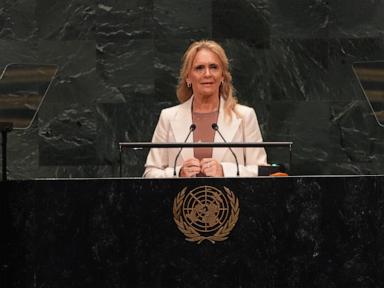
The video above provides a concise news breakdown of the high-level diplomatic signing ceremony in New York where officials formalized the civil nuclear partnership.