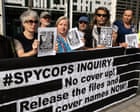
When state agents cross the line from surveillance into deep personal deception, the fallout rarely stops at the individual level. It exposes a culture where accountability takes a back seat to operational secrecy. The ongoing UK undercover policing inquiry, commonly known as the spycops inquiry, continues to unearth uncomfortable truths about how decades of covert surveillance operated. Operatives infiltrated political and activist groups, often assuming false identities that extended far beyond professional monitoring.
The core issue centers on officers who formed intimate relationships with unsuspecting members of the public under false pretenses. Recent disclosures highlight a recurring pattern where officers downplayed or entirely omitted these relationships when first questioned by investigators. When an operative conceals vital information from a formal public inquiry, it forces a hard look at whether institutional habits of secrecy ever truly changed.
The Anatomy of Covert Deception
Operating under a false persona requires total commitment, but the boundaries blur when state-sanctioned spies build entire lives within targeted communities. Officers deployed by units like the Special Demonstration Squad used fabricated backgrounds—sometimes stealing the identities of dead children—to embed themselves within political movements.
Yet, the infiltration frequently extended into private lives. Multiple officers have been forced to admit they maintained long-term romantic relationships with civilians while hiding their true identities and professions. When these actions face scrutiny under oath, the standard defense often relies on claims of relevance or oversight. Officers argue that if a partner was not part of a primary target group, the relationship fell outside the scope of inquiry. That logic collapses under scrutiny because the deception itself remains absolute. Deceiving someone into an intimate relationship through a fabricated identity strips away informed consent.
Institutional Blind Spots and Omissions
Why do operatives withhold these details until cornered by archival evidence or persistent victims? The answer points directly to institutional self-preservation. For years, management operated under informal "don't ask, don't tell" frameworks regarding personal entanglements. Supervisors often prioritized immediate intelligence gathering over ethical boundaries, creating an internal culture where personal misconduct was treated as a minor administrative nuisance rather than a severe abuse of state power.
When public inquiries demand full transparency, former officers frequently default to minimization. Testifying before a judge or an official panel requires absolute honesty, yet numerous accounts show operatives trimming the truth about their personal footprints. This reluctance damages public trust. If an inquiry designed to bring institutional transparency is met with selective memory and half-truths from the very agents who ran the operations, the path to genuine accountability becomes blocked.
The Human Cost and the Fight for Truth
The victims of these operations carry the heaviest burden. Discovering that a spouse, partner, or long-term companion was actually a state operative shatters reality. Trust evaporates, and psychological recovery takes years. Groups formed by those affected have spent decades demanding full disclosure of cover names, unit structures, and supervisory chains of command.
Efforts to curtail or alter the format of the inquiry draw immediate pushback from campaigners who warn that rushed timelines will lead to a structural cover-up. Transparency cannot be optional when dealing with state-sponsored intrusion into civilian lives. As long as key details remain obscured by institutional defensiveness, the shadow of the spycops scandal will continue to hang over modern policing.
Sex, Lies and Spies: The disputed story of the 'creepy' undercover cop
This video explores the disputed accounts and controversies surrounding undercover infiltration tactics and the personal impacts of secret police operations.