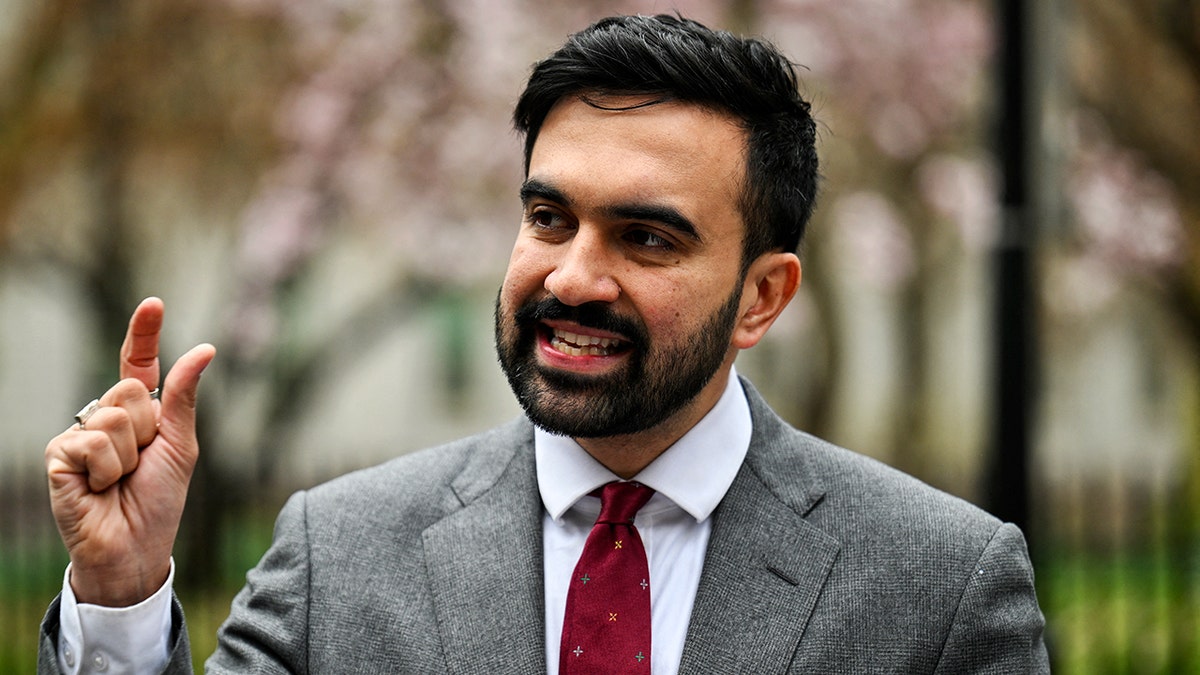
NYC Mayor Zohran Mamdani isn't sticking to local zoning laws and subway delays. He’s taking a swing at the British Monarchy. Specifically, he’s targeting the crown jewels. Mamdani recently made waves by stating he’d use his platform to encourage King Charles III to finally return the Koh-i-Noor diamond to its origins. It isn’t just about a rock. It’s about a massive, centuries-old debt that hasn’t been paid.
Most politicians play it safe with international diplomacy. They stick to scripted talking points. Mamdani doesn't. By bringing up the Koh-i-Noor, he’s poking a bruise that has been tender since the days of the British Raj. The diamond is currently set in the Queen Mother’s Crown. It sits in the Tower of London. Millions of tourists gawk at it every year. But for people across South Asia, it’s a symbol of theft. You might also find this related coverage interesting: The Royal Farewell Myth Why State Visits Are Actually Diplomatic Debt Collection.
Why the Koh-i-Noor diamond belongs back in South Asia
The history of this stone is messy. It’s bloody. It was "surrendered" to Queen Victoria in 1849. But look at the context. The person surrendering it was Duleep Singh. He was a child king. He was 10 years old. His mother was in prison. He was surrounded by British soldiers. Calling that a "gift" is like saying a lunch money hand-off in a middle school hallway is a voluntary donation. It’s a joke.
Mamdani’s stance reflects a growing global shift. People are tired of museums holding onto looted goods. We’ve seen the Benin Bronzes start to move back to Nigeria. We’ve seen artifacts returned to Egypt. The Koh-i-Noor is the ultimate prize in this tug-of-war. Britain argues that the legal treaty of Lahore makes the ownership legitimate. That’s a flimsy defense. You can't use colonial-era laws to justify colonial-era plunder. It doesn't hold up in the court of public opinion in 2026. As extensively documented in detailed coverage by The Washington Post, the implications are notable.
I think the Mayor is right to use his "bully pulpit" here. New York City is home to one of the largest South Asian diasporas on the planet. When he speaks, he isn't just talking as a city official. He’s speaking for millions of New Yorkers who see their own history locked behind glass in London. It’s a bold move. It’s also a necessary one if we’re ever going to have a real conversation about reparations.
Diplomacy and the King Charles problem
King Charles III is in a tough spot. He inherited a legacy he didn't build but is expected to defend. Returning the diamond would be a PR nightmare for the traditionalists in the UK. They worry about the "slippery slope." If they give back the diamond, do they have to give back the Elgin Marbles? Do they have to empty out the British Museum?
The answer is probably yes. And that’s what scares them.
Mamdani’s plan to "encourage" the King involves more than just a polite letter. It’s about building a coalition. He’s tapping into a sentiment shared by India, Pakistan, Afghanistan, and Iran. They all have claims to the stone. Critics say Mamdani should stay in his lane. They say he should focus on the MTA or the housing crisis. That’s a lazy argument. Leaders can care about two things at once. Representing the cultural dignity of your constituents is part of the job description.
The diamond itself is roughly 105 carats. It’s huge. But its weight in history is much heavier. It was once the largest diamond in the world. It traveled from the Kakatiya dynasty to the Mughals, then to the Persians and the Sikhs. Each transition involved war. The British were just the last ones to grab it before the world decided that stealing countries was a bad look.
The complexity of the return
If the King actually listened to Mamdani, where would the diamond go? This is the point where the British government usually tries to shut down the conversation. They point to the competing claims. India wants it. Pakistan says it was taken from Lahore, which is now in their territory. The Taliban in Afghanistan has made noises about it too.
The British use this "dispute" as an excuse to do nothing. It’s a classic stalling tactic. "If we don't know who to give it to, we'll just keep it." Honestly, it’s an insulting logic. A shared custody agreement or a rotating exhibition in South Asia would be better than keeping it in a vault in London. Even a neutral site could work. Anything is better than the status quo.
Making reparations a local issue
You might wonder why a New York Mayor cares so much. It's about identity. NYC is a city of immigrants. For many, the trauma of colonialism isn't a history book chapter. It's a family story. When Mamdani talks about the Koh-i-Noor, he’s validating those stories. He’s saying that the world’s power dynamics need a reset.
He’s also highlighting the hypocrisy of Western institutions. We talk about human rights and the rule of law. Then we keep stolen diamonds in our crowns. It’s a glaring contradiction. By forcing the issue into the headlines, Mamdani is making it impossible for the Royal Family to ignore the elephant in the room. Or rather, the diamond in the crown.
The diamond wasn't even worn at the last coronation. That was a calculated move. The Palace knew the optics were terrible. They swapped it out for other stones to avoid the controversy. But hiding it doesn't solve the problem. The stone still exists. The claim still exists.
What happens next for the Mayor
Mamdani is going to face pushback. Conservative pundits in the UK are already calling him an interloper. They’ll say he’s "virtue signaling." They’ll tell him to fix the potholes on Queens Boulevard instead. He should ignore them. Potholes and planetary justice aren't mutually exclusive.
If you want to support this movement, you don't need to be a politician. You can start by educating yourself on the actual history of the British East India Company. Read the Treaty of Lahore. Look at how Duleep Singh was treated. Support organizations that advocate for the repatriation of cultural heritage.
Pressure works. We've seen it work with the Smithsonian. We've seen it work with the Met. The Tower of London isn't invincible. The more leaders like Mamdani speak up, the harder it becomes for the Monarchy to justify its collection of "gifts." The Koh-i-Noor belongs to the people it was taken from. It's time to send it home.
Stop waiting for the "perfect" time to talk about colonial theft. There isn't one. The best time was seventy years ago. The second best time is right now. Demand transparency from museums. Question why certain items are where they are. Don't let the conversation die out just because it’s "complicated." History is always complicated. That’s no excuse for keeping the spoils of war. Keep an eye on the Mayor's office. This isn't the last time he’s going to ruffle feathers in London.



