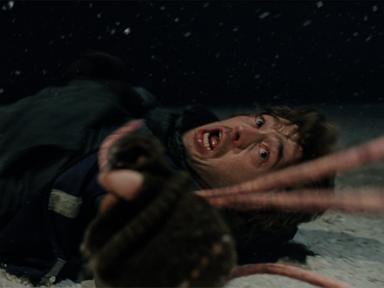
Hollywood spent decades butchering video game adaptations before filmmakers finally figured out a simple rule. You actually have to respect the source material while telling a functional movie story. Zach Cregger's Resident Evil just proved this point by hauling in a massive $60 million domestic debut, shattering every previous opening record in the 24-year history of the Capcom franchise.
If you look past the standard studio marketing hype, this $75 million reboot represents a massive shift in how Hollywood handles interactive properties. It isn't just about throwing zombies on a screen and slapping a familiar logo on the poster. Cregger leaned into genuine tension, claustrophobic atmosphere, and the kind of helpless dread that made players fall in love with the survival horror genre back in the late nineties.
Breaking Down the Record Breaking Numbers
Let's look at the data. A $60 million domestic opening weekend combined with an international launch of $48.3 million brings its global bow to a staggering $108.3 million. That performance comfortably eclipses earlier entries like Resident Evil: Afterlife and sets a brand-new high-water mark for the intellectual property. More importantly, it outpaces Cregger's previous breakout hit, Weapons, proving that his distinct directorial voice translates cleanly to massive studio blockbusters.
Studio executives spent years assuming that video game movies needed to ditch their roots to appeal to general audiences. Paul W.S. Anderson’s original 2002 adaptation and its endless sequels leaned heavily into action-heavy sci-fi tropes, trading survival horror for high-flying stunts starring Milla Jovovich. While those films carved out a profitable niche, they alienated purists who wanted tight corridors, scarce ammunition, and genuine scares.
The Strategy Behind the Success
Cregger took the opposite approach. Instead of inventing an overpowered action hero, the film centers its narrative around an ordinary civilian trying to survive an unfolding nightmare. That creative choice changes the entire emotional texture of the viewing experience. You aren't watching an unstoppable superhuman clear out rooms with martial arts. You're watching someone panic, scramble for resources, and make terrible mistakes while terrifying creatures hunt them down.
Audiences responded to that vulnerability. Word of mouth spread fast across social media, driving repeat ticket sales and keeping theater seats filled well past opening night. Horror has dominated the box office landscape lately, but combining an established gaming ecosystem with an auteur director who understands pacing creates a completely different kind of financial monster.
What This Means for Future Video Game Adaptations
Hollywood greenlights projects based on past successes, meaning every studio executive in Los Angeles is currently rewriting their development slates to copy this blueprint. But you can't just manufacture auteur-driven horror in a corporate boardroom. Cregger succeeded because he had creative control and a clear vision of what makes the property terrifying in the first place.
If you're tracking where the industry goes next, watch how studios handle upcoming franchise revivals. The era of generic, watered-down adaptations engineered by committee is officially dead. Audiences know when they're being handed a cynical cash grab, and they reward creators who treat source material with genuine ambition.