Canada spent decades systematically destroying the careers of thousands of queer service members, and now, a group of Winnipeg creators is building the physical space to reckon with it.
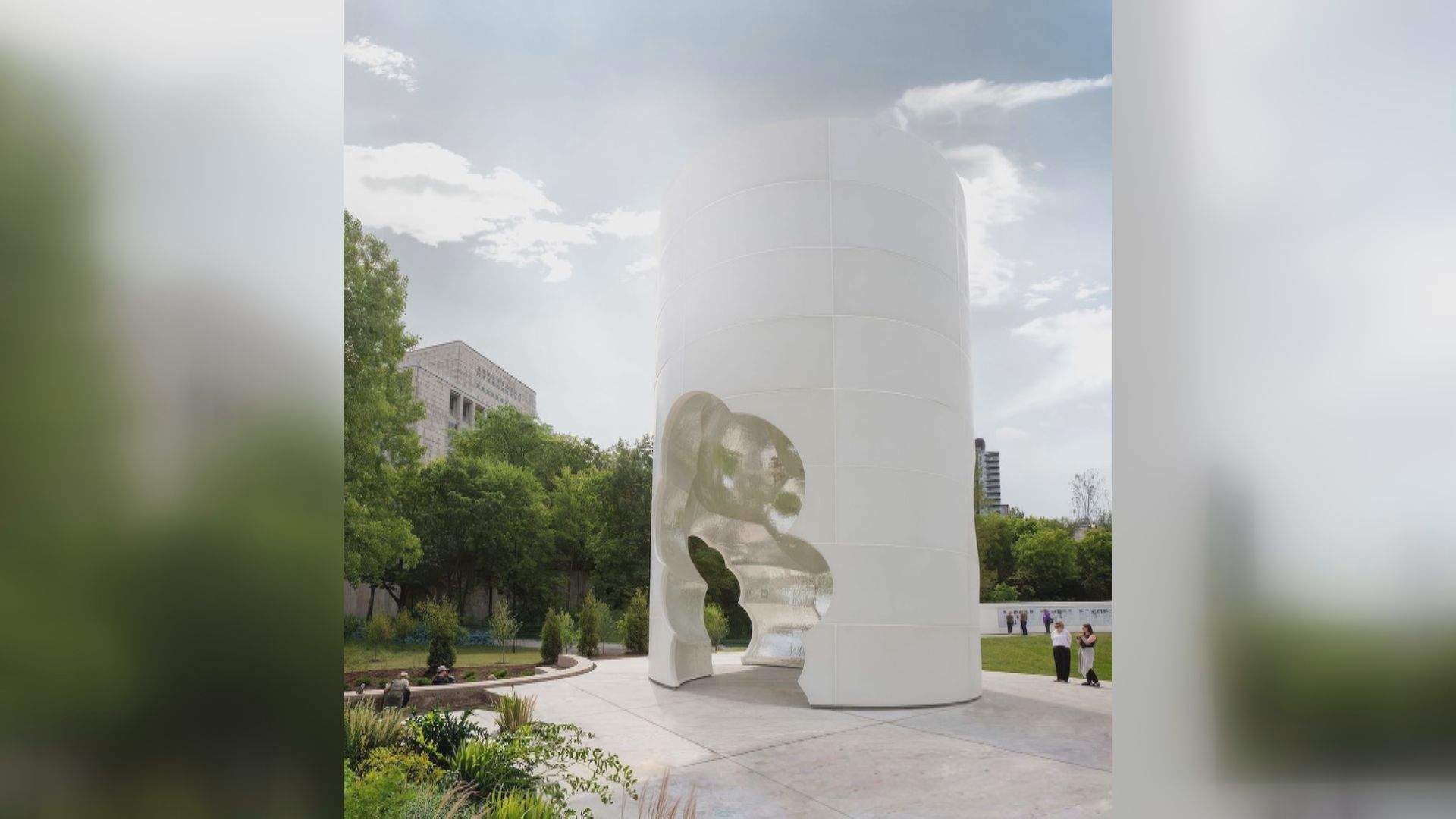
If you haven't heard of "Thunderhead," you need to pay attention. It's the winning design for the national LGBTQ2+ monument, conceived by Winnipeg's Team Wreford. Instead of building a dull, forgettable slab of concrete in Ottawa, these local creators dreamed up a shimmering, disco-ball-esque tribute that doubles as an active public stage.
What Was the LGBT Purge Anyway?
Let's clear the air about history. From the Cold War cleanups right up until the mid-1990s, the Canadian government ran a state-sponsored witch hunt. If you worked in the military, the RCMP, or the federal public service and you were suspected of being gay, lesbian, bisexual, or trans, you were targeted.
Officials used interrogation tactics, surveillance, and the notorious "fruit machine" to sniff out identities. Thousands lost their jobs. Many lost their entire livelihoods.
The federal government finally settled a massive class-action lawsuit in 2018, which led to the creation of the LGBT Purge Fund. That fund backed a national competition to build a memorial in Ottawa that refuses to let the country sweep its human rights abuses under the rug.
Inside the Winning Thunderhead Design
Beating out heavy-hitting international architecture firms isn't easy. But Team Wreford—comprising architects Liz Wreford and Peter Sampson from Public City, visual artists Shawna Dempsey and Lorri Millan, and Indigenous Two-Spirit advisor Albert McLeod—brought something raw and entirely original to the table.
The centerpiece is shaped like a thunderhead cloud. Why? Because storms carry immense power, change the atmosphere, and clear the air.
Clad in mirrored tiles, the sculpture catches light from every angle. It acts as a giant beacon. Surrounding it is a curving pathway tracking the dark history of state-sanctioned discrimination, alongside a healing circle ringed with stones hand-picked by Two-Spirit Elders.
It's not just a monument you stare at from behind a velvet rope. It's built for performance, protest, and community gatherings.
Why Local Creative Voices Matter Here
Ottawa has plenty of sterile, government-sanctioned statues that feel like homework. This project needed a different pulse.
Bringing in Winnipeg creators changed the equation. Shawna Dempsey and Lorri Millan have spent decades anchoring grassroots queer art on the Prairies. Albert McLeod brings vital Indigenous and Two-Spirit perspectives that ensure the narrative doesn't ignore Canada's colonial history.
Public art works best when it's built by people who understand struggle, resilience, and joy firsthand. Team Wreford didn't design a graveyard for old grievances. They designed an active town square for the living.
Take a close look at how public memorials are shifting across the globe. We are done with silent suffering. People want spaces that spark conversation, hold space for healing, and demand accountability from institutions that fail us.
If you find yourself in the National Capital Region, go walk through the grounds, touch the stones, and see how a dark chapter of Canadian history found its light through prairie creativity.