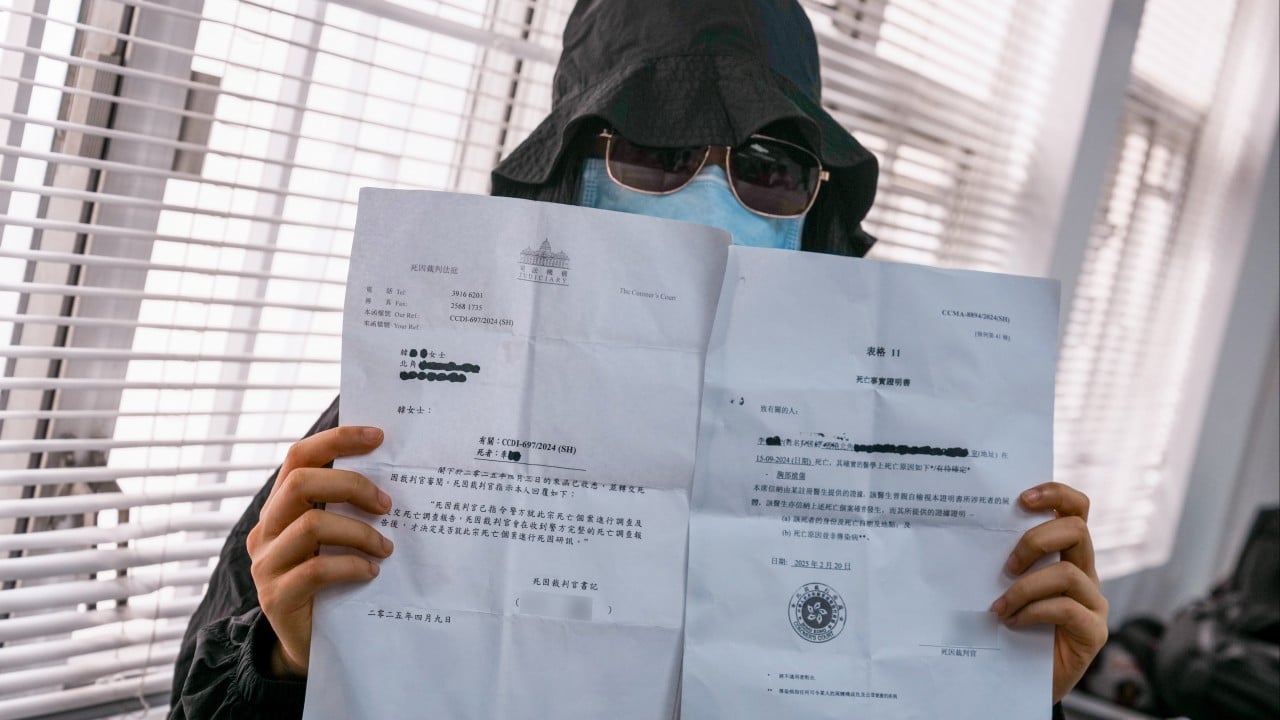
Transparency isn't a luxury in a justice system. It's the bare minimum. When someone dies from police or state gunfire, families shouldn't have to mortgage their sanity just to get basic facts. Yet, that is the brutal reality facing grieving relatives across the country.
Take the case of the widow haunted by her husband's fatal shooting. She isn't asking for a miracle. She wants a public inquest. She wants answers that don't shift when officials change shifts. She wants accountability.
Most people assume the system works automatically after a fatal shooting. It doesn't. Bureaucracy moves slowly, aggressively protects itself, and hopes you will get tired. Let's talk about why securing an inquest matters, how families get stonewalled, and what it actually takes to drag the truth out into the open.
The Brutal Reality of Post-Shooting Investigations
When a fatal shooting happens, the machinery of state defense spins up immediately. Internal affairs investigators arrive. Statements get taken. Official narratives start forming within hours.
Families, meanwhile, are planning a funeral.
By the time a widow or a grieving parent has the emotional bandwidth to ask tough questions, the narrative is already cemented. Police unions, municipal legal teams, and independent oversight bodies operate on completely different timelines. Months bleed into years. Evidence gets dusty. Memories fade.
This is where the demand for a formal inquest comes in. An inquest isn't a criminal trial. It is a public judicial inquiry designed to unearth the full circumstances surrounding a death. It forces witnesses to testify under oath. It brings documents out of filing cabinets and onto the public record.
Without an inquest, families are forced to rely on police summaries. That is like asking a suspect to grade their own exam.
Why Officials Fight So Hard Against Inquests
If transparency is so great, why do local authorities fight tooth and nail to avoid holding inquests?
Self-preservation.
Municipalities fear civil liability. Police departments fear public backlash. Every single agency involved in a fatal shooting has a legal incentive to minimize exposure. When a widow pushes for an inquest, she threatens a carefully constructed ecosystem of plausible deniability.
Common bureaucratic roadblocks include:
- Endless procedural delays that drain family finances.
- Redacted documents handed over months late.
- Reluctance from coroners or local magistrates to use mandatory powers.
- Parallel investigations that act as an excuse to stall transparency.
These aren't accidental oversight errors. They are design features of a system built to absorb pressure and protect the status quo.
The Psychological Toll of Seeking Justice
Nobody talks enough about the trauma of bureaucratic warfare. Grief is heavy enough on its own. Add a multi-year legal battle against a state apparatus, and you get a recipe for total exhaustion.
Widows and family members fighting for inquests often live in a state of suspended animation. They cannot begin the long-term healing process because every morning brings a new fight for basic documentation. They become amateur investigators, legal researchers, and press officers overnight.
It is exhausting. It is unfair. And it is entirely intentional. The hope from the other side is always that you will simply give up.
How to Force Accountability When the System Stalls
If you or someone you know is caught in the nightmare of fighting for answers after a state-involved tragedy, you cannot rely on goodwill. Goodwill does not subpoena witnesses.
You need a strategy.
First, secure independent legal representation immediately. Do not trust municipal lawyers to look out for your interests, no matter how sympathetic they sound in initial meetings. You need someone whose only loyalty is to you and the truth.
Second, control the public narrative. Agencies hate bad PR. When a case is stuck in bureaucratic limbo, public pressure is often the only grease that makes the wheels turn. Share the human story. Keep the victim's name in the media.
Third, press for public inquiries relentlessly through every available political and legal channel. Write to elected representatives. Demand meetings with the attorney general's office. Make it more expensive and politically damaging for officials to ignore you than it is to grant the inquest.
Justice doesn't happen by accident. It is dragged into the daylight by people who refuse to shut up. Support those fighting for transparency, because the next family facing this wall could be yours.