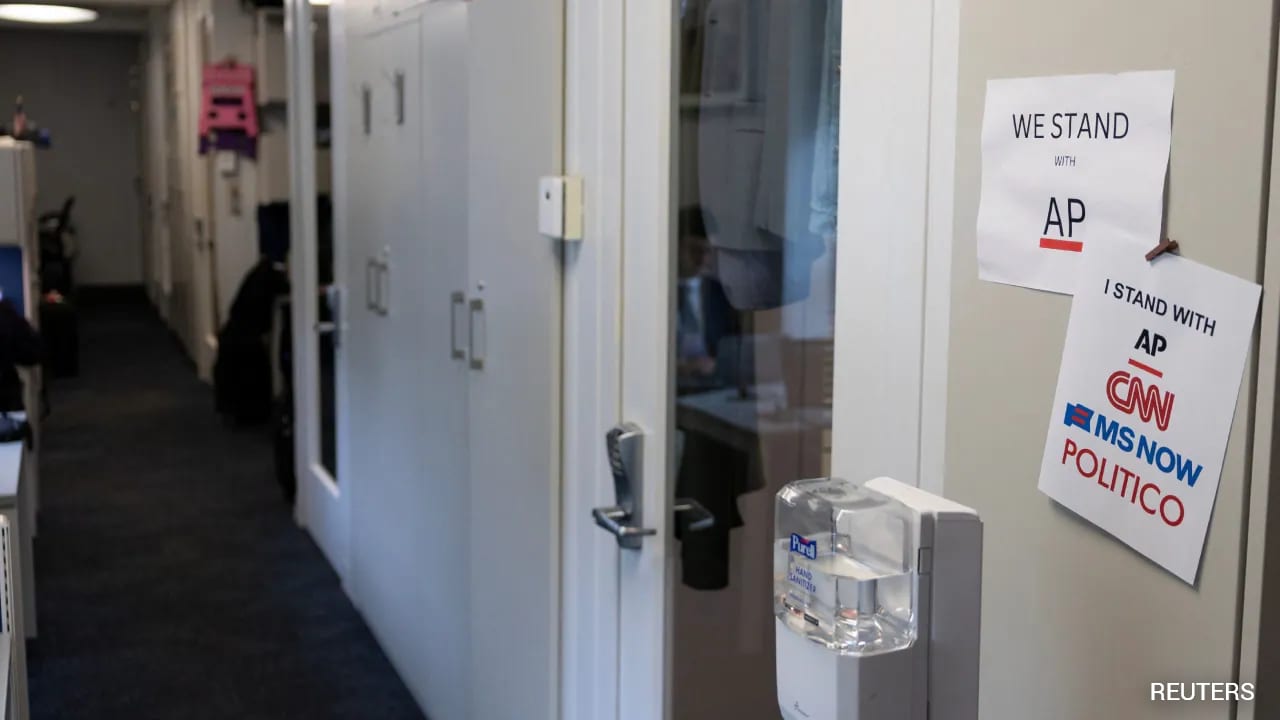
Another federal judge has stepped in to rescue the mainstream press. When the administration pulled hard passes for reporters from CNN, MS NOW, and Politico, the legal establishment gasped, law firms mobilized, and the injunction dropped like clockwork. The media establishment popped champagne, declaring a monumental win for the First Amendment.
They are celebrating a trap.
By running to the courts to force open the doors of the executive mansion, legacy media outlets have walked straight into a long-term strategic box canyon. They traded structural independence for a security blanket, validating a dynamic where their right to exist in the room depends entirely on a federal judge's temporary restraining order.
Let us strip away the high-minded constitutional theater and look at the brutal mechanical reality of modern political access.
The Illusion of Access as Influence
The lazy consensus in every newsroom across Washington is that physical presence inside the White House briefing room equals journalistic power. This is a comforting delusion invented in the mid-twentieth century to keep reporters feeling important while feeding them pre-packaged talking points.
I have watched organizations burn hundreds of thousands of dollars in legal fees fighting for credential slots, treating a piece of molded plastic with an RFID chip like the Holy Grail. Why? To sit under harsh fluorescent lights, raise a hand during a televised interrogation, and get batted down by a press secretary who treats the exchange as a clip-farming exercise for social media.
The physical White House briefing room is not a temple of accountability. It is a theater. When you sue to stay in the theater, you accept the role of an actor in a script written by the administration you are trying to hold accountable.
The Weaponization of Bureaucracy
The administration's initial move—revoking credentials based on vague standards of objectionable reporting—was heavy-handed, clumsy, and legally vulnerable. Any first-year law student could spot the viewpoint discrimination.
Yet the counter-strategy from the outlets' legal teams was equally shortsighted. By forcing the judiciary to referee daily operational disputes between the executive branch and newsrooms, they invited permanent judicial entanglement into journalistic operations.
Imagine a scenario where every single press briefing is preceded by emergency docket filings, emergency stays, and appeals court interventions. When your newsroom's primary constitutional defense is a federal judge telling the president who gets a hard pass, you no longer possess an independent check on power. You possess a government-mandated guest pass.
True journalistic authority does not require a podium, an assigned seat in the West Wing, or a laminated badge approved by the executive branch. Some of the most devastating reporting of the last decade originated thousands of miles away from a podium, built from leaked procurement logs, financial trails, and whistleblower testimony that no press secretary could spin away.
The Economic Comfort of Grievance
There is an unspoken incentive here that newsroom executives will never admit in public. Legal battles over free speech are incredible for the bottom line. They drive subscriptions, juice digital traffic, and feed the endless cycle of partisan outrage.
When CNN, MS NOW, and Politico filed their joint lawsuit, they weren't just fighting for democracy; they were fortifying their brand identity as the besieged defenders of truth. It is a tidy business model. Pick a fight, get banned, sue, win an injunction, run a victory lap on air, and watch the digital conversion metrics spike.
Meanwhile, the actual work of investigative depth gets hollowed out to pay for appellate lawyers.
The administration wants a press corps that is perpetually distracted by the logistics of its own admission. They want reporters spending hours in courtrooms arguing about due process instead of digging through federal agency spending bills, regulatory capture, and policy implementation failures.
Breaking the Loop
If the media wanted to break this cycle, they would have done the unthinkable: walked away.
They should have said: keep the badges. We will report from the streets, the data servers, the agency basements, and the congressional committee rooms where real power actually leaks.
Instead, they ran to court to preserve their front-row seats to the circus. They won the battle to stay in the room, but they lost the war for independent relevance. Stop cheering for the injunction. Start worrying about an industry so addicted to access that it cannot bear the thought of doing its job outside the building.