The physical barriers of the executive mansion aren't just architectural features; they are the frontline of modern American democracy. When the Trump administration disabled press passes and locked journalists from outlets like CNN, MS NOW, and Politico off the White House grounds, it triggered an immediate constitutional crisis. This wasn't a routine security upgrade. It was a direct escalation in an ongoing war between an executive branch and the news organizations it labels as hostile.
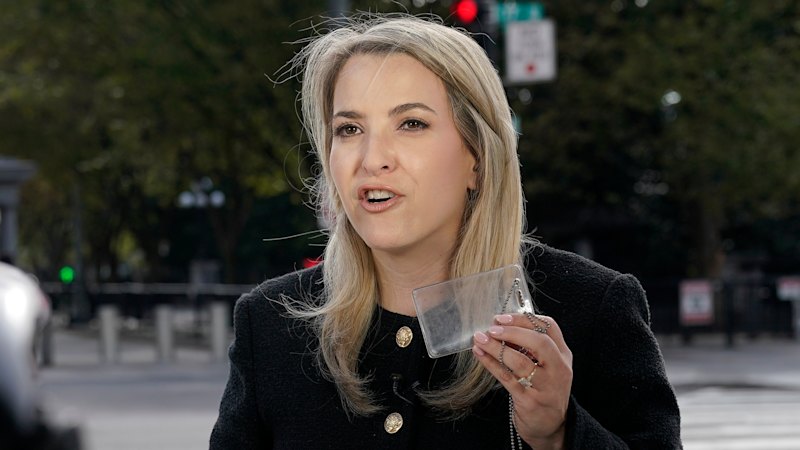
You don't have to look hard to see why this move shocked media observers. For decades, the precedent seemed clear: while access to the executive complex is managed by the government, the First Amendment and principles of due process prevent administrations from picking and choosing who gets to report based purely on editorial content. Yet, that is precisely what happened when hard passes were revoked, badges deactivated, and reporters handed back empty plastic credential cases. In similar news, we also covered: Danielle Smith is Playing the Wrong Game and Everyone is Cheering.
Why the White House Press Ban Happened
The administration didn't try to hide its motives. President Donald Trump was explicit, pointing publicly to what he branded as dishonest reporting and negative coverage as the core justification for the ban. In the administration's view, press credentials represent a discretionary privilege rather than an absolute right. Justice Department attorneys argued in court that the executive branch holds broad authority over who enters its workspace.
Media executives and legal scholars saw it differently. They argued that weaponizing access limits the public's right to independent scrutiny. When a government can bar specific journalists because it dislikes their coverage, the line between state management and state censorship blurs dangerously. USA Today has also covered this critical issue in extensive detail.
The fallout was swift and unified. Major television networks took the unprecedented step of suspending their pooled coverage responsibilities in solidarity with the banned outlets. For a brief window, the traditional daily documentation of the presidency ground down because newsrooms refused to let a selective exclusion divide their ranks.
The Legal Battles and Court Intervention
The targeted organizations didn't wait to see if the policy would soften. They sued the administration almost immediately, setting up a high-stakes courtroom showdown.
Federal courts moved quickly because the constitutional questions cut right to the core of executive power. During emergency hearings, government lawyers attempted to introduce national security arguments to defend the ban. The presiding judge pushed back hard on that rationale, noting that the president's own public statements made it obvious the restriction was driven by unfavorable news coverage rather than genuine security threats.
A federal judge issued an order blocking the media ban and mandating the immediate restoration of press passes. While journalists began filtering back onto the grounds shortly after the ruling, the tension didn't magically evaporate. Reports surfaced that even after judicial intervention, friction remained over access to specific events, proving that the administrative chokehold on press freedom was far from resolved.
The Broader Impact on Public Access
Most people underestimate how much everyday news depends on these pooled white house resources. When reporters are locked out, the ultimate loser isn't just the media corporation—it's every citizen who relies on independent eyes and ears inside the Oval Office and West Wing. Subsequent lawsuits filed by ordinary citizens highlight this exact anxiety, arguing that cutting off specific outlets infringes on the public's constitutional right to receive uncensored information.
When the state gets to decide which journalistic voices are valid, reporting morphs into public relations. The clashes over White House grounds access serve as a harsh reminder that press freedom is fragile. It requires constant legal defense and institutional solidarity to survive political pressure.