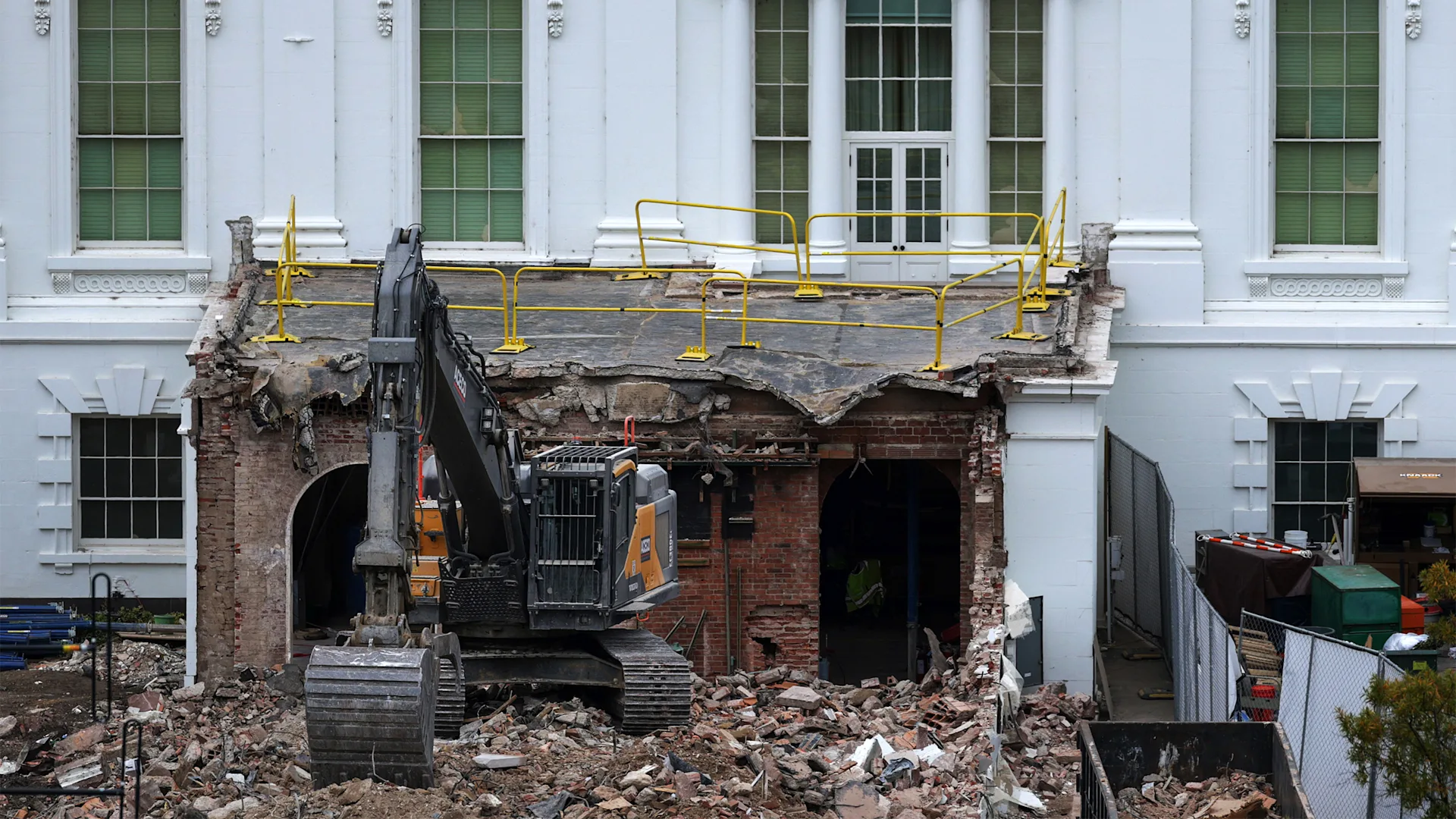
The media is currently hyperventilating over a temporary injunction. They see a judicial "halt" as a crushing blow to a massive infrastructure project. They are wrong. In the world of high-stakes real estate and government procurement, a court-ordered pause isn't a tombstone; it's a pressure valve. While headlines scream about setbacks, the reality is that the $400 million White House ballroom project just received its most valuable asset: a period of forced clarity that the current administration—and its critics—didn't know they needed.
Stop looking at the judge's gavel and start looking at the spreadsheets. The "lazy consensus" suggests that this delay is a purely political defeat. That narrative is shallow. If you have spent five minutes in large-scale construction, you know that the first draft of a $400 million federal plan is almost always a bloated, inefficient mess of outdated codes and "nice-to-have" features that serve no functional purpose. This halt allows for a brutal audit that should have happened months ago.
The Myth of the "Lost" Momentum
Common wisdom says that in construction, time is money. That is a half-truth designed to keep contractors fat and happy. In reality, wrong-headed momentum is significantly more expensive than a strategic pause. When a project of this scale starts moving, it develops a terrifying inertia. Change orders become radioactive. Mistakes get buried in concrete because "the schedule" demands it.
I have seen developers burn through eight-figure sums because they were too proud to stop a moving train. By halting the ballroom project now, the court has effectively frozen the burn rate before the truly irreversible mistakes—the structural foundations and the specialized procurement—are locked in.
If you are a taxpayer, you shouldn't be mourning the delay. You should be celebrating it. A project of this magnitude in the heart of the capital is a magnet for "scope creep." Every department head wants a piece of the pie. The "temporary" halt is the only mechanism powerful enough to force a reset on what is actually necessary for state functions versus what is merely vanity.
Why $400 Million is the Wrong Number
The obsession with the price tag misses the point entirely. The media treats $400 million as a static figure. It isn't. In federal contracting, that number is a floor, not a ceiling.
Most people asking "is this a waste of money?" are asking the wrong question. The right question is: "Is this an investment in soft power or a liability in hard maintenance?" The current ballroom facilities are, frankly, an embarrassment on the global stage. When the leader of the free world hosts a state dinner in a tent on the lawn because the indoor space can't handle the logistics of modern security and media, the United States loses a measurable degree of prestige. That is a real, albeit intangible, cost.
However, the "contrarian truth" is that the government is notoriously bad at building spaces that are both grand and functional. They usually pick one or the other. This injunction provides a window to pivot away from a "monument to an ego" and toward a "multi-use diplomatic hub."
The Security Industrial Complex vs. Aesthetics
The conflict nobody admits is that modern White House construction is essentially a battle between the Secret Service and the architects.
- The Secret Service wants a bunker with high ceilings.
- The Architects want a glass-heavy masterpiece of light.
- The Result is usually a compromise that fails both.
The delay allows for a re-evaluation of the integrated security tech. We are talking about $400 million. If that doesn't include the most sophisticated signal-jamming, TSCM (Technical Surveillance Counter-Measures), and drone-mitigation hardware baked into the bones of the structure, it is a failure. Use the pause to ensure the tech isn't obsolete by the time the ribbon is cut.
The Legal Theater of "Temporary"
Don't be fooled by the legal posturing. A temporary injunction is the oldest trick in the book for stakeholders to gain leverage. The plaintiffs aren't just worried about the environmental impact or the historical preservation; they are hunting for a seat at the table.
This isn't about "saving the lawn." It’s about who gets the sub-contracts. It’s about which unions are cleared for the site. It’s about which historical societies get to vet the crown molding. By halting the project, the judge has created a marketplace for negotiation.
If you think this is about the law, you’re playing checkers. This is a supply-chain negotiation disguised as a judicial ruling. The administration will likely concede on minor points—perhaps some "green" initiatives or a slight redesign of the exterior facade—to satisfy the court's concerns. In exchange, they will get the path cleared for the heavy lifting.
The Risk of the "Safe" Path
The downside to my contrarian view? If the administration uses this pause to "play it safe," the project is doomed.
Safety in federal projects leads to "design by committee." Design by committee leads to the Rayburn House Office Building—a massive, uninspiring block of stone that feels like a high-end insurance office.
If they use this time to water down the vision to avoid further lawsuits, they will end up with a $400 million cafeteria. The goal shouldn't be to make everyone happy. The goal should be to build a facility that reflects the standing of the nation. If that means fighting the injunction tooth and nail while simultaneously trimming the fat, then that is the only path forward.
Stop Asking if We "Need" It
The "People Also Ask" section of the internet is filled with questions like: "Can the White House use that money for schools?"
This is a fundamental misunderstanding of how federal budgets work. That $400 million isn't sitting in a jar on a shelf. It is a specific appropriation for a specific executive branch function. If the ballroom isn't built, that money doesn't magically feed the hungry. It gets absorbed back into the black hole of the Treasury or gets reallocated to another line item that the public will likely never see.
The argument that we shouldn't build because of "optics" is the ultimate lazy consensus. We are a superpower. Superpowers have ballrooms. The problem isn't the building; it’s the execution.
The Blueprint for a Successful Pivot
If I were advising the project leads during this forced downtime, I would tell them to do three things immediately:
- Audit the HVAC and filtration systems. In a post-pandemic world, a $400 million ballroom without a "clean room" grade air-handling system is a relic before it's even finished.
- Decentralize the media infrastructure. Stop building "press pits." The entire room should be a wireless, high-bandwidth broadcast environment that doesn't require miles of cables every time a network shows up.
- Modularize the interior. State dinners are rare. High-level summits and working groups are daily. The space needs to be able to transform from a dining hall into a series of secure, acoustically isolated meeting rooms in under two hours.
The "competitor" articles will tell you that the administration is reeling. They will tell you that the project is in "limbo."
Limbo is where the best work happens. Limbo is where you cut the dead weight. Limbo is where you fix the mistakes that were made in the rush to get a press release out.
Forget the "setback" narrative. This injunction is the best thing that could have happened to the White House budget. It forces the dreamers to deal with the accountants, and it forces the politicians to deal with the engineers.
The judge didn't kill the project. They just gave it a chance to actually work.
Build it once. Build it right. Use the delay to ensure that $400 million buys more than just a fancy room for toasts.
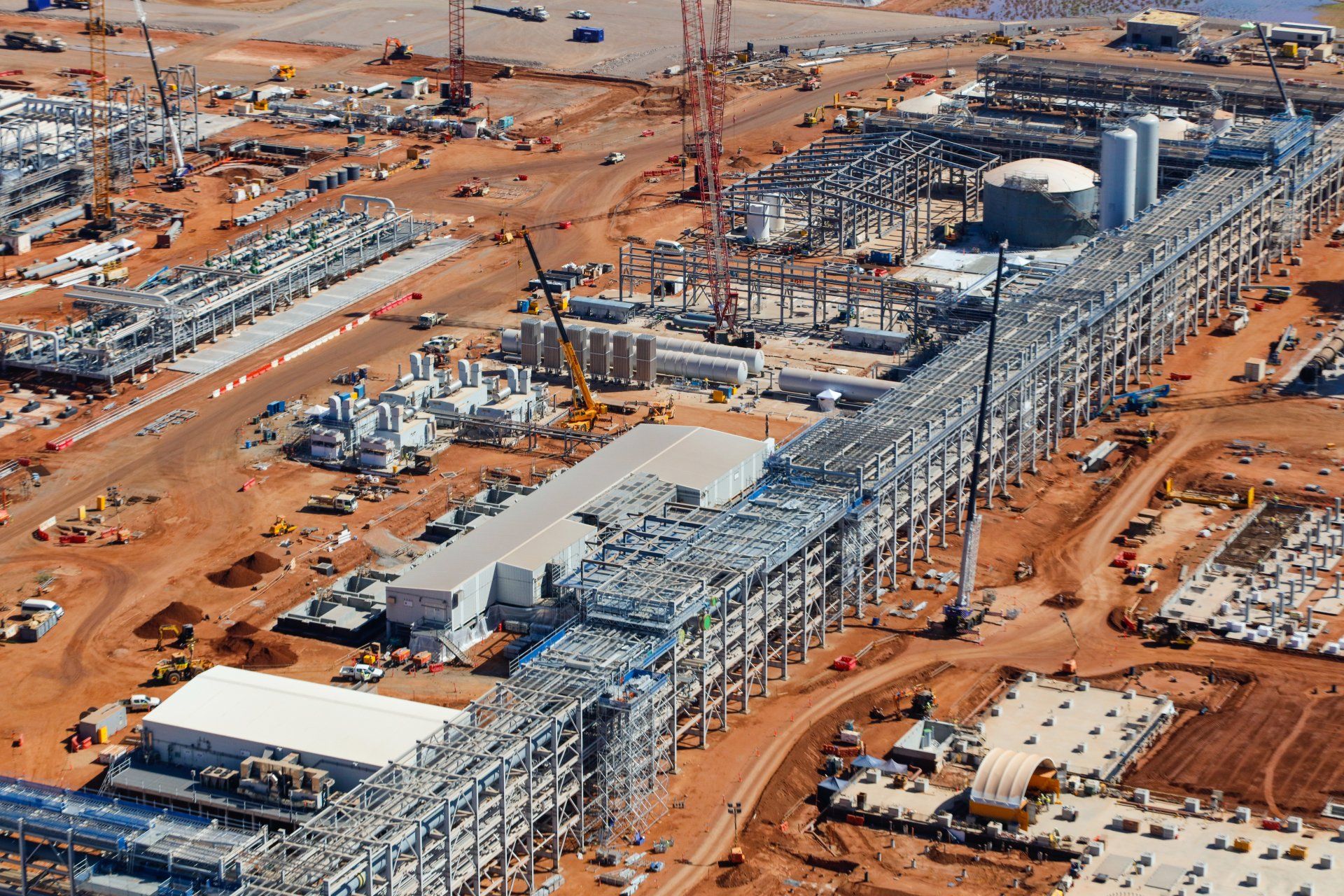
Don't wait for the court to lift the stay to start working. The real work is happening now, in the silence of the halted cranes.