Darkness falls differently in Moscow. It does not simply arrive with the setting sun; it settles like leaded wool over the onion domes, heavy with centuries of paranoia, suspicion, and stone.
Imagine, if only for a second, what it takes to walk through those streets as an emissary of the very power the Kremlin views across an ideological abyss. The air is cold enough to crack teeth. Every shadow feels inhabited. Every storefront camera hums with a quiet, computational malice.
Yet, deep inside that labyrinth of granite and historical grievance, a meeting happened.
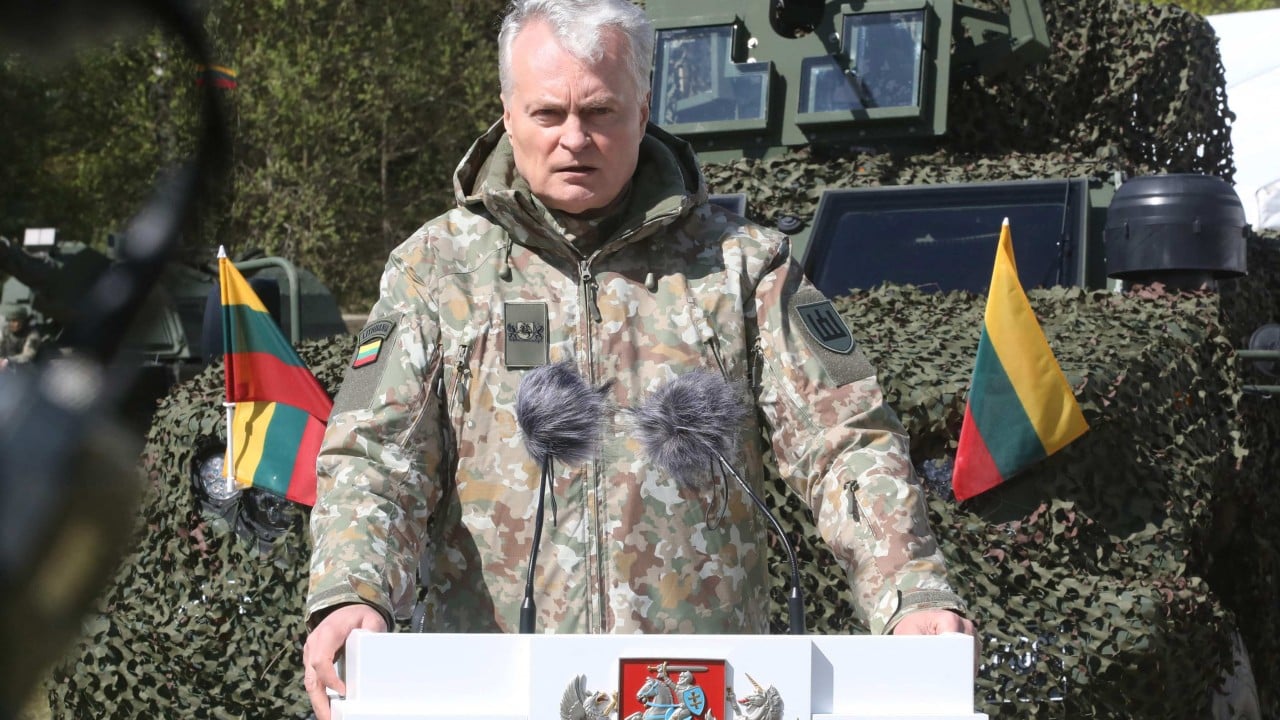
We read the dispatch on our glowing screens over morning coffee. A dry sentence from Vilnius. Lithuania’s president stepping forward to casually confirm what intelligence agencies usually shroud in eternal ambiguity: the CIA chief’s Moscow meeting achieved its goals.
Ten words. A universe of consequence.
To the casual observer, it sounds like bureaucratic white noise. Just another handshake in a world of endless proxy wars and quiet diplomatic friction. But let us strip away the institutional distance. Let us look at what those words actually mean when human beings sit across a polished mahogany table, separated by translators, holding the fragile, burning fuse of global stability between their fingertips.
The Anatomy of a Quiet Room
Diplomacy is rarely about grand speeches under chandeliers. It happens in rooms where the carpets are thick enough to swallow the sound of approaching footsteps, where the tea cools untouched while men measure each other's blinks.
When the director of the Central Intelligence Agency boards a flight to Moscow, he is not packing brochures. He is carrying warnings. He is carrying lines that must not be crossed. And, crucially, he is listening for the subtle cadence in his counterpart's voice that separates posturing from genuine intent.
We often forget that states are run by mortals. They wake up with bad backs, troubled marriages, and lingering fears of obsolescence. When adversaries meet face-to-face, the digital filter drops.
Consider what happens next: the stakes are so high that a single mistranslated idiom could accelerate a catastrophe. Think of the Cuban Missile Crisis, or the Able Archer exercises of 1983, when routine military simulations were nearly misread as the opening salvos of annihilation. We live on the precipice of those historical echoes every single day.
When the Lithuanian president later stepped up to validate the outcome, he was not just tossing out a diplomatic talking point. He was sending a signal to the wider European perimeter. He was telling the frontline states—those nations whose very borders feel like tripwires—that the adults were still talking, and more importantly, that the communication lines were holding firm against the rising tide.
The Weight of Invisible Lines
Why does this matter to the person sitting in a quiet suburban kitchen thousands of miles away? Because peace is an invisible engine.
You do not notice the engine when it is humming smoothly. You only notice it when the pistons seize, when the smoke billows, when the lights go out.
For months, the drumbeat of mobilization had grown louder. Troops amassed near frontiers like iron filings pulled by an unseen magnet. Pundits on television argued over timelines and invasion routes, turning human lives into percentage points on a risk matrix. The world held its breath, waiting for the trigger to drop.
And then, silence.
Not the silence of peace, but the quiet of back-channel diplomacy doing its grueling, unglamorous work. The CIA chief's journey was part of that silent machinery. It was an admission that even when two superpowers despise each other's geopolitical ambitions, they share a terrifying mutual interest in avoiding total structural collapse.
It is easy to paint international relations as a comic book struggle between absolute good and absolute evil. Reality is far more terrifyingly mundane. It is a room of exhausted men drinking lukewarm water, deciding whether tomorrow will look like 1914 or just another Tuesday.
When the Lithuanian leader confirmed that the mission achieved its goals, the underlying message was clear: the immediate tripwire had been temporarily disarmed. The collision course had experienced a slight, crucial course correction.
The Echoes That Remain
We will likely never read the transcripts of what was said in that Moscow room. The specifics will remain buried under decades of classification stamps, hidden away in vaults where the air is stale and the paper turns brittle with age.
That is the nature of the shadow world. Its greatest victories are the disasters that never happened. You cannot point to a bombed-out city and say, "Look, that ruin was prevented because of a sentence uttered at two in the morning in a secure Russian facility."
You only have the aftermath. You have the quiet sigh of relief from capitals across Europe. You have the slight drop in market anxiety. You have the continuation of ordinary life, fragile and fleeting, persisting under the shadow of nuclear arsenals.
The meeting is over. The delegations have packed their encrypted laptops and flown back across shifting time zones. The snow in Moscow has continued to fall, burying the footprints of those who walked in the dark to keep the world from burning.
And somewhere out there, beneath the hum of a billion digital connections, the next quiet conversation is already being planned, keeping the dark at bay for just one more day.