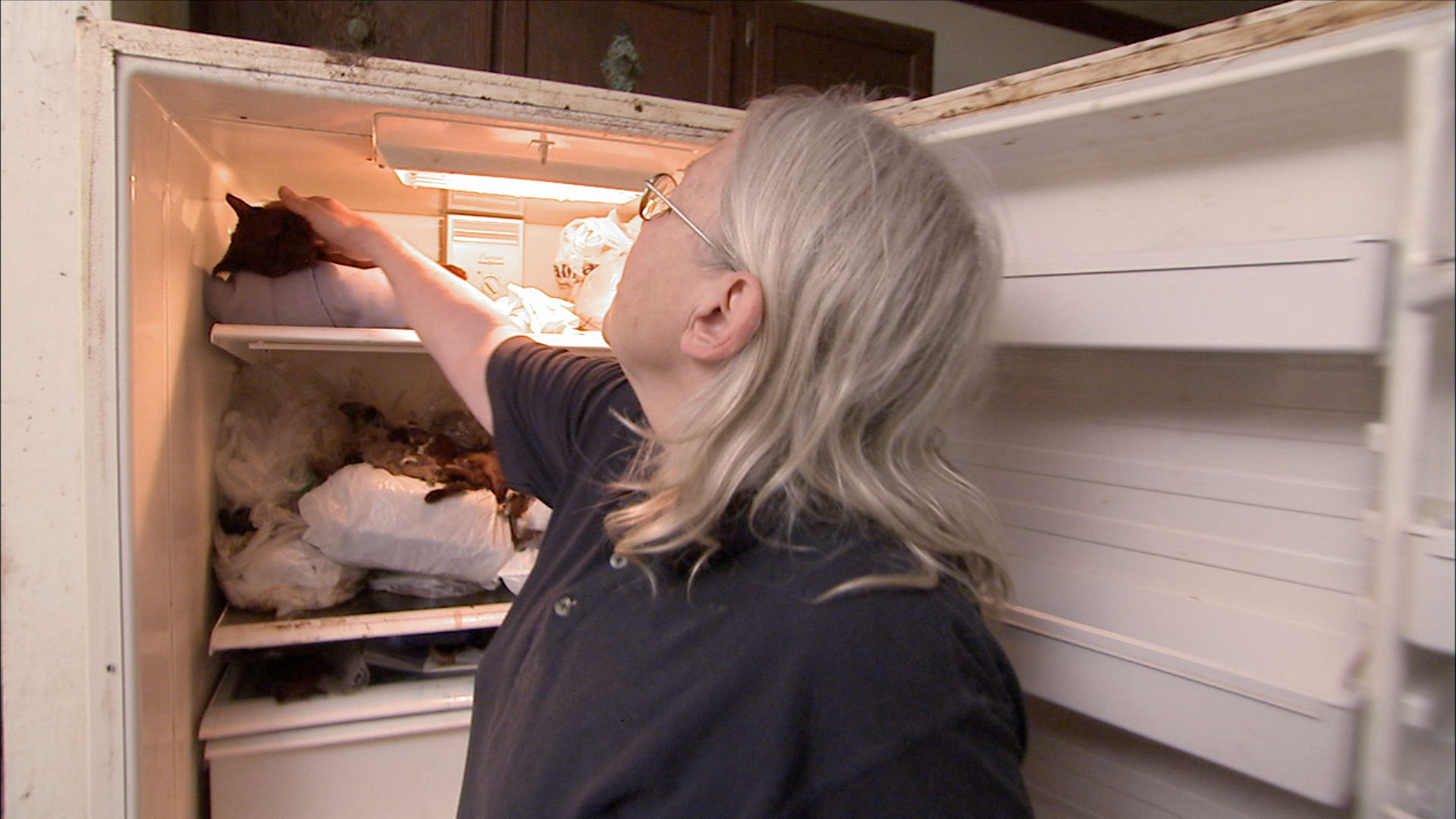
If you’ve spent any time down the rabbit hole of reality TV, you know that A&E’s Hoarders isn't just about messy houses. It’s about the psyche. But even by the show's intense standards, Hoarders season 6 episode 4 hits differently. It’s one of those hours of television that sticks in your throat. You might remember it as the one with Shanna. Or maybe you remember Nedra. Either way, it’s a brutal look at how trauma and mental health can manifest in the most physical, claustrophobic ways possible.
Most people watch these episodes for the shock value. They want to see the "before and after." But this specific episode, which originally aired in late 2012, is a case study in two very different types of hoarding disorders. It’s a messy, uncomfortable, and deeply human hour of TV. Honestly, it’s kind of hard to watch at points.
The Unforgettable Case of Shanna
Shanna’s story is often cited by long-time fans as one of the most extreme cases in the show’s entire run. It’s not just the volume of the hoard; it’s the nature of it. When the crew arrived, they found a woman who had essentially been living in a house filled with her own waste.
Shanna was highly intelligent. That’s the thing that surprises people. She didn't fit the "lazy" stereotype that some viewers unfairly project onto people with this condition. She was articulate. She was polite. But she was living in conditions that were objectively lethal. The psychological term for what Shanna was experiencing involves a severe breakdown in the perception of hygiene, often linked to profound, unresolved trauma.
Dr. Robin Zasio, a staple of the series, was the psychologist on this case. You could see the genuine concern on her face. This wasn't just a "clean up the trash" situation. Shanna was consuming food that had been sitting in filth. She was "bottling" her waste because the plumbing didn't work, but she couldn't bring herself to get rid of the bottles. It’s a phenomenon sometimes referred to as Diogenes Syndrome, though that’s a complex diagnosis that usually involves self-neglect and social withdrawal.
The most heartbreaking part? Shanna’s mother. The relationship was strained, to say the least. When your family sees you living like that, the instinct is to scream or cry or judge. None of those things help a hoarder. In fact, they usually make the person retreat further into the "safety" of their piles. Shanna’s hoard was her fortress. It was a physical manifestation of a "keep out" sign to a world that had hurt her.
Why Nedra’s Story Was So Different
On the other side of Hoarders season 6 episode 4, we have Nedra. If Shanna’s hoard was about waste and isolation, Nedra’s was about "stuff." It was the classic "I might need this someday" mentality taken to a terrifying level.
Nedra was a collector. Or at least, that’s how it started. She had a house packed with clothes, shoes, and household items. It was a retail hoard. For many people, buying things provides a temporary dopamine hit. It’s a way to fill a void. But for Nedra, the void was massive.
The conflict here was centered on her children. They were frustrated. They were angry. They felt like the objects in the house were more important to their mother than they were. That’s a common theme in the show, but Nedra’s defensiveness was particularly sharp. She didn't see "trash." She saw value. Every single item had a story, a price tag, or a potential future use.
The Difference Between Contamination and Collection
It’s worth noting the distinction between these two women.
- Shanna's Hoard: Categorized by squalor and biohazards. This is often triggered by a complete detachment from reality or a severe depressive episode where the brain stops signaling "danger" in response to filth.
- Nedra's Hoard: Categorized by over-acquisition. This is more of an anxiety-based disorder where the person feels a physical "pain" at the thought of losing an item.
The experts—Dr. Zasio and the cleaning specialists like Matt Paxton—have to pivot their entire strategy depending on which type they’re dealing with. You can’t talk to a collector the same way you talk to someone dealing with a biohazard hoard.
The Reality of the Cleanup Process
People always ask: "Is it real?"
Yeah, it’s real. But it’s also compressed. What you see in Hoarders season 6 episode 4 as a 42-minute arc actually took days of grueling, 12-hour shifts. The smell alone is something the cameras can't capture, though the crew often wears respirators for a reason.
In Shanna’s case, the cleanup was about survival. The house was a "code enforcement" nightmare. If they didn't clear a path and sanitize, she was going to be homeless or worse. The tension during the removal of the waste was palpable. Shanna would occasionally shut down. That’s the "freeze" response. When a hoarder is forced to face the hoard, their brain enters a state of high-alert trauma.
Nedra’s cleanup was more of a negotiation. "Can we get rid of these three pairs of shoes?" "No, I need those for a wedding." "You haven't been to a wedding in five years." It’s a constant tug-of-war. It’s exhausting for the family and even more exhausting for the hoarder.
What Most People Get Wrong About This Episode
A lot of viewers walked away from this episode thinking Shanna was "crazy." That’s a lazy way to look at it.
Mental health professionals who study hoarding—like those at the International OCD Foundation—point out that hoarding is often a coping mechanism for complex PTSD. If you look closely at Shanna’s history, there are hints of deep-seated loss. When you lose something you can't replace—like a person or a sense of safety—you start holding onto everything else. You stop letting anything leave your life.
Another misconception is that the "reveal" at the end of the episode means the problem is solved. It’s not. Hoarding has a massive relapse rate. Without consistent, specialized therapy (specifically Cognitive Behavioral Therapy), most people in these situations will refill their homes within months.
The show provides "aftercare" funds, which is great. But the work is internal. You can’t just scrub a house clean and expect the brain to follow suit. The brain is the one that built the hoard in the first place.
Why This Episode Still Matters Years Later
We’re still talking about Hoarders season 6 episode 4 because it represents the extreme ends of the spectrum. It’s a reminder that mental health isn't always pretty. It’s not always "anxiety" that looks like a nervous person at a party. Sometimes it’s a person sitting in a house full of waste, unable to move because the weight of their own mind is too heavy.
It also highlights the strain on the American healthcare and social services systems. Shanna shouldn't have been left alone for that long. Neighbors, family, and local government often don't know how to intervene until it becomes a public health crisis.
Actionable Insights and Lessons
If you or someone you know is struggling with these behaviors, watching the show can be a double-edged sword. It can provide a wake-up call, but it can also cause "sympathy hoarding" or extreme anxiety. Here is what you actually need to know if you're facing a hoarding situation:
- Don't Start with the Trash: If you’re helping someone, don't just start throwing things away. It triggers a fight-or-flight response. Start with a conversation about safety. Is there a clear path to the door? Are there working smoke detectors?
- Seek Specialized Therapy: Regular talk therapy isn't always enough. Look for therapists who specialize in OCD and hoarding disorders. The Buried in Treasures workshop model is one of the most successful peer-led programs out there.
- Understand the "Why": Is the person holding onto items because of their "utility," their "sentimental value," or their "aesthetic beauty"? Identifying the "why" helps in creating a strategy to let go.
- Manage Expectations: Recovery is slow. It’s measured in inches, not feet. A successful day might just mean throwing away one bag of old newspapers.
The story of Shanna and Nedra isn't just a piece of entertainment history. It’s a stark, neon sign pointing toward the need for more compassion and better mental health resources. If you find yourself re-watching this episode, look past the "stuff." Look at the people. They’re usually just trying to survive a world that felt too big for them to handle.
The real work happens after the cameras stop rolling and the heavy-duty dumpsters are hauled away. That’s when the person has to learn how to live in an empty space again. For many, that emptiness is the scariest thing of all.