Charred bark tells a story faster than any press release. When vehicles burn along a dirt lane outside a Palestinian village in the West Bank, and mature olive trees go up in smoke right before autumn picking starts, the damage reaches way beyond a bad farming season.
In the West Bank, olive harvest attacks by Israeli settlers aren't random freak accidents. They happen repeatedly during a narrow autumn window when rural families rely on a single annual crop to pay off debts, buy school supplies, and stock pantry staples for the rest of the year. Burn a car, cut branches, or intimidate pickers at the edge of a grove, and the disruption spreads across an entire household budget.
I've spent years covering rural economies and agricultural supply chains across conflict-affected areas, and one pattern stands out every time. When violence hits a harvest window, even a few days lost to fear or road closures can wipe out months of careful planning. Olive trees take years to mature and decades to recover from severe fire or trunk damage, which makes every burned grove a multi-year hit rather than a one-off bad week.
What Actually Happens When Harvest Season Turns Volatile
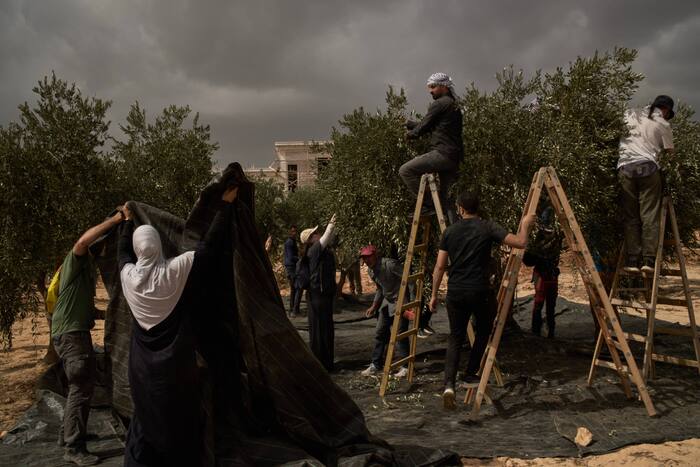
Autumn in the West Bank usually brings families out to the terraces early in the morning. Sheets go down under the canopy, ladders lean against silver-green trunks, and neighbors trade news while stripping fruit by hand or with rakes.
When violence breaks out around those groves, the immediate flashpoints are visible and visceral. Torched cars parked near access roads signal that movement isn't safe. Damaged or burned trees show up right in the middle of plots that families have tended for generations.
Yet the disruption rarely stops at the spot where smoke rises. Farmers weigh risk every single morning when headlines spike or checkpoints tighten. A family might leave fruit unpicked on outer plots closer to hilltops or outposts, accepting a smaller yield rather than risking a confrontation on an isolated track.
Coordination matters hugely here. Organizations like the United Nations Office for the Coordination of Humanitarian Affairs (OCHA) and local agricultural groups track harvest access and incidents across West Bank governorates, documenting how friction around agricultural land affects farmers' ability to reach groves safely during the seasonal window. When access gets blocked or delayed, picking gets compressed into fewer days, often after peak ripeness, which affects both oil quality and total output.
Why Olive Trees Matter So Much to West Bank Villages
If you've never worked closely with small-scale tree farmers, it's easy to underestimate how much weight a single crop carries. Wheat or vegetables can often be replanted next season if weather or trouble ruins a batch. Olive farming works on a completely different clock.
A newly planted olive sapling takes years before it yields a meaningful harvest. Mature trees can live for centuries, passing from parents to children as both income and family anchor. Losing dozens or hundreds of productive trees in a single incident doesn't just trim this year's press run. It shrinks future capacity.
For many West Bank households, the olive harvest is one of the primary sources of seasonal cash and food security. Families keep jars of oil for their own kitchens and sell surplus oil or cured olives to pay tuition, medical bills, or winter fuel costs. When a car gets burned or trees get torched, the shock hits cash flow immediately and lingers long after the smell of smoke fades.
A burned vehicle can be replaced if you have savings or insurance. A scarred, decades-old olive grove takes years of patient care just to bounce back.
Common Misconceptions About West Bank Harvest Disruptions
People reading brief news alerts from afar often walk away with oversimplified ideas about what's going on. Let's clear up a few common blind spots.
First, people sometimes assume all olive groves sit neatly inside fenced, high-security compounds. In reality, many plots are scattered across hilly terrain, reachable only via unpaved rural tracks or narrow farm roads. That geography makes access tricky even in quiet years, and much harder when tensions flare.
Second, some readers think a single burnt car or damaged row of trees only hurts the immediate owner. Rural economies are tightly networked. Tractor drivers, seasonal pickers, local press operators, and transporters all depend on the harvest moving smoothly. Slowdowns ripple outward through local service jobs and village markets.
Third, there's a tendency to treat harvest violence as purely a farm story or purely a diplomatic headline. Honestly, it's both at once. Land access, policing and enforcement dynamics, settler-Palestinian friction, and rural livelihoods collide right where dirt roads meet agricultural land.
Practical Ways to Read Coverage and Verify Details
If you're following news about settler attacks, torched cars, and olive harvest disruptions in the West Bank, a few practical habits will help you separate solid reporting from noise.
- Check exact locations and dates. Look for specific village names, nearby junctions, and timestamps rather than vague regional summaries.
- Cross-check multiple credible sources. Compare reporting from established news outlets with field tracking from humanitarian bodies like OCHA or recognized human rights and agricultural monitors.
- Watch for verified evidence and official responses. Note what has been visually confirmed, who was present, and what statements were issued by local residents, Israeli authorities, or international observers.
- Track follow-up beyond the initial flare-up. Stories often spike on day one when cars or trees burn, while the real economic toll—missed picking days, damaged equipment, or ongoing access blocks—shows up days or weeks later.
Staying clear-eyed starts with looking past dramatic headlines to the everyday realities on the ground. Keep checking primary field updates alongside trusted reporting so you see the full picture of how harvest disruptions affect rural communities over time.