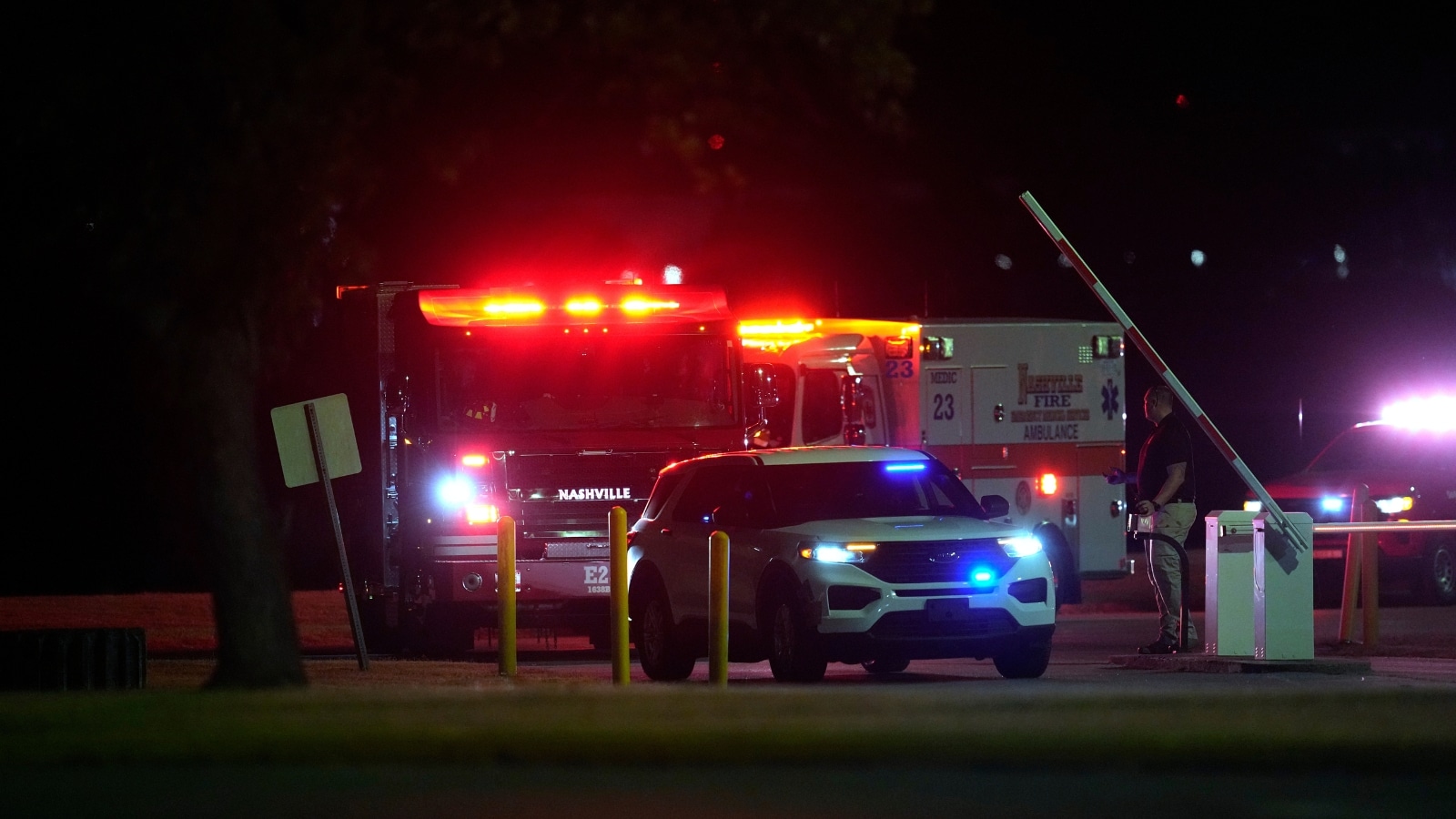
The execution chamber isn't supposed to turn into a multi-hour medical emergency. Yet on September 30, 2026, that is exactly what happened behind closed doors at Riverbend Maximum Security Institution in Nashville. Christa Pike, the only woman on Tennessee's death row, was supposed to die by lethal injection. Instead, she survived two doses of pentobarbital, endured hours of botched intravenous procedures, and woke up days later in an outside hospital.
If you've been following capital punishment debates, you know states rarely admit when things go sideways. But the breakdown of Christa Pike's execution exposes deep, structural flaws in how corrections departments handle lethal injection protocols. It raises brutal questions about competency, medical ethics, and the hidden mechanics of state-sanctioned death.
How the Execution Unraveled Hour by Hour
The timeline of the execution reveals an operation struggling from the very first minute. Witnesses filed into the viewing room at 6:41 p.m., but the blinds didn't open until 45 minutes later. When they finally did, Pike was already strapped to the gurney with an IV line in place.
Behind the scenes, prison staff had spent over an hour wrestling with her veins. Reports later confirmed that execution team members used roughly ten needles across multiple sites on her arms, warning that veins had ruptured during the frantic setup.
Pike made her final statement at 7:30 p.m., telling witnesses she was at peace, before singing with her spiritual adviser. Then the drugs began.
At 7:34 p.m., Pike cried out in pain, stating that the vein in her arm felt like it was about to burst. She blinked, smiled, laughed, and lifted her head. She kicked off her sheets. By protocol, when an inmate remains responsive or alive minutes after the initial push, a second dose of pentobarbital is administered.
That second dose didn't kill her either. Instead of expiring, Pike drifted into unconsciousness only after enduring prolonged physical trauma, leading to an emergency scramble by her legal team and an eventual transfer to an off-site hospital.
Why the Drugs Failed to Work Properly
When a lethal injection goes wrong, officials often point fingers at rare physiological anomalies. But legal filings and medical experts suggest a much more mundane and disturbing reality: operational incompetence and ruined access sites.
When execution teams puncture veins multiple times, the intravenous lines often infiltrate, meaning the drug leaks into surrounding tissue instead of entering the bloodstream directly. Defense attorneys pointed out that the pentobarbital likely pooled in her arms, causing severe chemical burns and blistering rather than rapid systemic shutdown.
States guard the identities of their drug compounding pharmacies and suppliers fiercely. Tennessee went to court immediately after the botched attempt to block Pike's attorneys from inspecting or testing the leftover pentobarbital. The state argued that revealing any detail about the supplier would cause them to cut ties, effectively halting future lethal injections. When secrecy outweighs transparency in matters of life and death, public trust completely evaporates.
The Legal and Political Fallout
The fallout was immediate. Outgoing Governor Bill Lee paused executions for the remainder of the year and ordered a third-party review of the state's execution protocols. Lawmakers and incoming leadership are now forced to reckon with a protocol that clearly lacks contingency guidelines for when an inmate survives the secondary dose.
For Pike, the ordeal didn't end on the gurney. After spending days recovering in a hospital bed—shackled and dealing with severe pain from burned and blistered arms—she was discharged back to the Debra K. Johnson Rehabilitation Center. Her defense team continues to press for clemency, arguing that subjecting someone to a botched execution violates constitutional protections against cruel and unusual punishment.
Capital punishment relies entirely on the illusion of clinical precision. The state wants the public to see a sterile medical procedure rather than an act of state violence. When a prisoner starts laughing, talking, and surviving multiple lethal doses, that illusion shatters completely.
If states cannot carry out executions safely, transparently, and humanely, the entire practice faces an existential crisis. The Christa Pike case proves that the machinery of death is far more fragile, and far more prone to catastrophic human error, than proponents care to admit.


