The dust of Dhaka does not settle easily. It clings to your eyelashes, it lines the collar of your shirt, and long after the tear gas has blown out toward the river, it stays in the back of your throat like an unfulfilled promise.
I remember the heat of July. Not just the physical temperature, which hung over the concrete like a wet wool blanket, but the heat of absolute conviction. Thousands of us poured into the streets, our shoes slapping against asphalt, our voices merging into a single, roaring organism that demanded an end to old certainties. We were students, teachers, mechanics, and dreamers. We carried banners scrawled with urgent demands for justice, for dignity, for a clean break from a history of impunity.
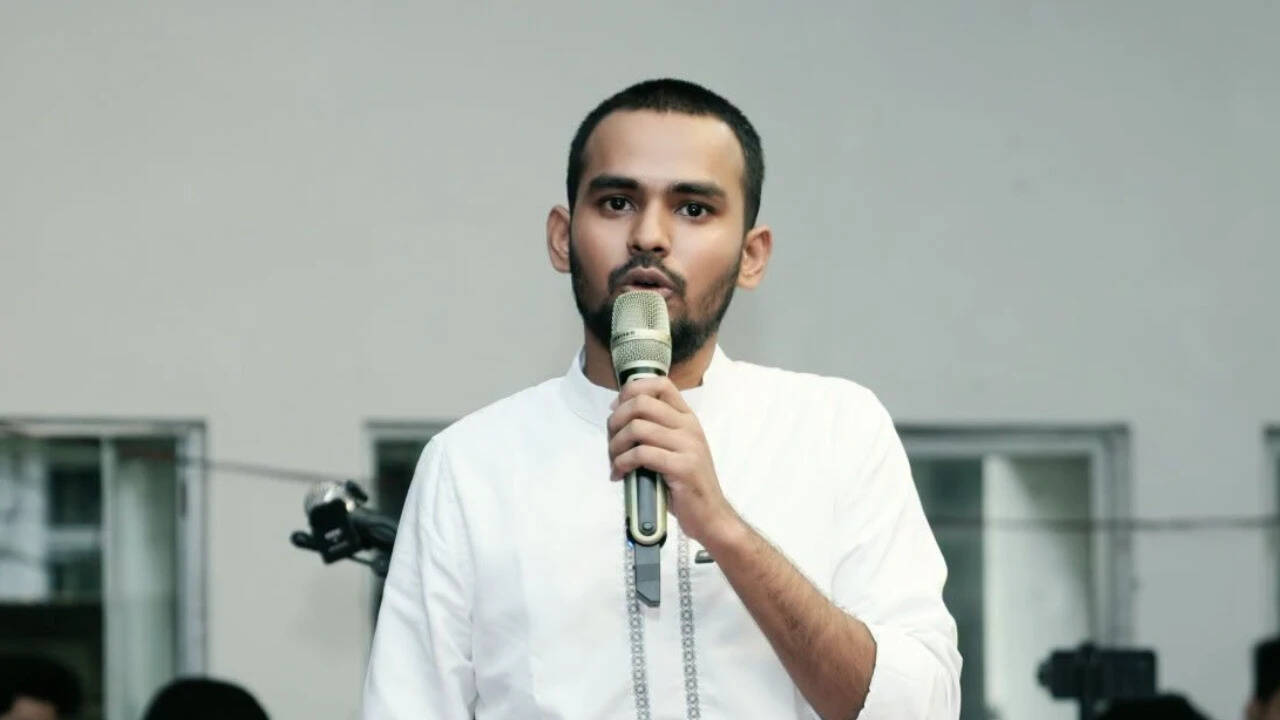
At the front of those columns strode faces that would soon become icons of a sudden, violent transition. Among them was Asif Mahmud.
To look at him then was to see the embodiment of the street's raw ambition. Young, sharp-eyed, and thrust by the momentum of a historic student uprising into the dizzying heights of government advisory roles, he looked like the future incarnate. When the interim administration formed under Muhammad Yunus, promising to sweep away the debris of authoritarianism, Asif was handed a portfolio. He was given power. He was given the heavy, thankless task of turning street-corner slogans into state policy.
Power, however, has a way of working on young men like acid on polished brass.
Months pass. The barricades come down. The debris is cleared away, and the daily grind of governance replaces the electric theater of revolution. Then the whispers start. They begin in the tea stalls of old Dhaka—those smoke-filled dens where political fortunes are hashed out over cardamom tea. They move to the editorial rooms, and finally, they hit the front pages with the dull thud of an official announcement.
Graft.
The word feels small, almost insulting, when hurled against the backdrop of a revolution born from blood and sacrifice. Corruption. It is a familiar specter in this part of the world, a ghost that haunts every administration, whether it rises from a ballot box or a barricade.
According to reports circulating through the administrative machinery and investigative desks, Asif Mahmud—once the fierce architect of student resistance—now finds himself under the scanner. Investigators are picking through files, tracing signatures, and asking hard questions about resource allocation, administrative overreach, and the invisible channels where public trust leaks into private pockets.
How does a hero of the youth movement find himself here?
To understand, you have to look past the statutory notices and the terse press releases. You have to understand the psychology of sudden altitude sickness. Imagine climbing a sheer cliff face with your bare hands, fueled entirely adrenaline and the righteous anger of a crowd shouting your name from below. You reach the summit. The air is thin. The people who cheered you from the base are now invisible in the fog. Around you are men in tailored suits who know how to whisper, how to compromise, how to grease the wheels of a sluggish bureaucracy.
Revolutionaries often make terrible bureaucrats. They are wired for the sprint, for the barricade, for the grand gesture. But statecraft is a marathon through a swamp. Every decision requires compromise. Every signature on a contract opens a door to someone holding a briefcase.
When you have spent your formative years fighting a system that views you as expendable, entering the inner sanctum of that very system triggers a strange psychological shift. You tell yourself that you need resources to secure your position, that influence is just a tool for the greater good, that the rules were written by the old guard to be broken anyway. The rationalizations arrive softly, wearing the slippers of necessity.
Yet, the people who bled on the asphalt do not accept rationalizations.
Walking through the university campus today, the mood is different from that electric July. The murals painted on the walls—bright, defiant bursts of crimson and green celebrating the student victory—are beginning to chip at the edges. Students sit on the stone benches, staring into their glowing screens, reading the latest updates about the graft probe. There is no shouting this time. Just a heavy, bitter silence.
"We didn't bleed for a new set of luxury cars," a young woman told me last week, her fingers nervously tracing the seam of her notebook. She had stood beside me during the clashes, eyes stinging from smoke, her voice hoarse from chanting. "We bled so that the bleeding would stop."
That is the true tragedy of the Asif Mahmud investigation. It is not merely a legal inquiry into missing funds or questionable administrative clearances. It is a fracture in the fragile mythology of the uprising. Every revolution relies on a purity of narrative—the belief that the new leaders are fundamentally different from the despots they deposed. When a youthful icon is pulled into the orbit of suspicion, the disillusionment is communal. It feels like a betrayal of the dead, of the injured, of the ordinary citizens who locked arms against bullets so that something cleaner might take root.
The legal process will grind forward. Files will be audited. Defense statements will be issued, laden with legalistic denials and counter-accusations of political vendetta. That is the rhythm of modern politics.
But the damage transcends the courtroom.
We are left to grapple with an uncomfortable truth. The systems we inhabit are older and heavier than any single generation's idealism. They swallow heroes with the same indifferent appetite they reserve for villains. They take a young man from the streets, dress him in ministerial white, and test whether his spine is made of iron or ordinary clay.
The sun sets over the Buriganga river, turning the water the color of molten copper. Barges chug slowly against the current, heavily laden with cargo, sinking low into the dark water. On the shore, the city keeps moving, shouting, arguing, and surviving. The flags from July still flutter here and there, faded by the sun and frayed by the wind, waiting to see what color the next dawn will bring.


