The mahogany of a United States Senate desk carries a specific chill. For decades, it belonged to a man who lived under the blinding television lights, a bachelor whose entire existence was consumed by the theater of American power. But earlier this week, a sixty-two-year-old former optician and state agency director sat behind it. Her name is Darline Graham.
She did not seek this. Days ago, her older brother, Senator Lindsey Graham, died suddenly from a tear in his aorta. The state of South Carolina was thrown into a political tailspin. To steady the ship, the governor appointed Darline to occupy the seat until January, turning her into a living monument to her brother’s legacy.
It was supposed to be a brief, somber period of mourning and caretaking. Then the Oval Office called.
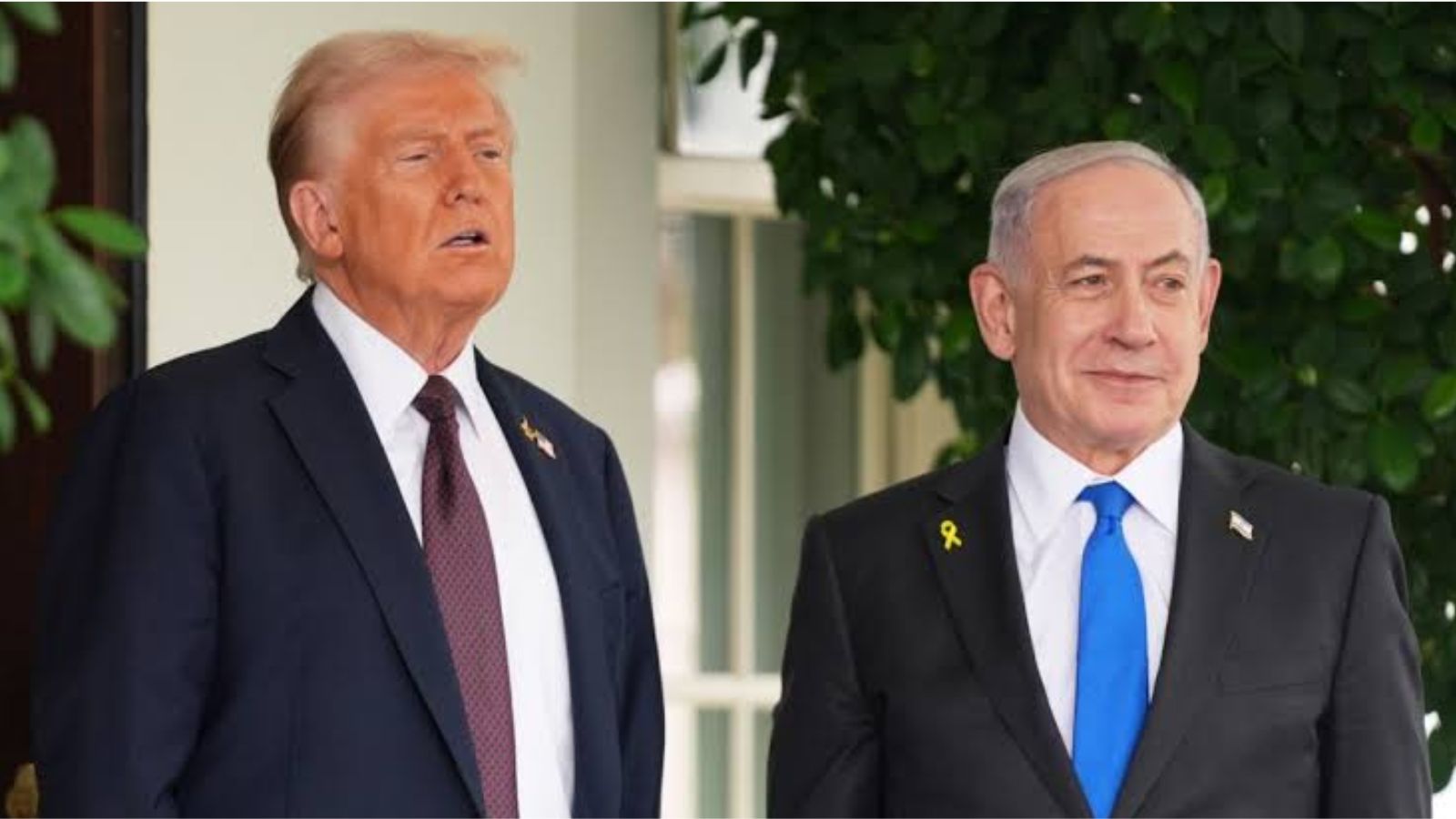
Donald Trump invited the grieving, newly minted senator into the room where the biggest decisions in the world are made. He did not just offer condolences. He gave her an ultimatum wrapped in an encouragement: run for the full six-year term.
Consider the sheer weight of that request.
To understand the emotional gravity pulling at Darline Graham, you have to look past the current headlines and go back to a time before campaign buses and cable news hits. When Lindsey was twenty-two and Darline was just thirteen, both of their parents died within a brutal fifteen-month window. The young man became his little sister’s legal guardian. He raised her. He shielded her from a world that had suddenly grown very cold. Decades later, Lindsey would call his sister’s success the absolute highlight of his life.
Now, the roles have reversed in a way that feels almost cruel. When she accepted the appointment, she spoke directly to her brother's ghost, saying she was going to do this for him. But finishing out a few months as a placeholder is a world away from diving into the meat-grinder of a modern primary election.
The political machinery of South Carolina does not pause for grief. The state law demands a special primary on August 11 to fill the ballot for November. Before Trump intervened, the consensus was clear: Darline would hold the line, and a flock of ambitious career politicians—congressmen and lieutenant governors—would battle it out for the permanent seat.
But a single post on social media alters the landscape entirely. Trump’s public endorsement of Darline throws a wrench into the aspirations of every Republican waiting in the wings. How do you run against the sister of a fallen conservative icon, especially when the leader of the party has anointed her?
For Darline, the choice is excruciating. If she steps away in January, she returns to her quiet life, her children, and her grandchildren, having done her duty. If she stays, she commits the next six years of her life to a grueling, hyper-partisan warfare that she never trained for.
The filing deadline opens in a matter of days. The clock is ticking loudly in an empty room.
When she walked to her late brother’s desk on Tuesday, surrounded by the applause of people who knew him for his votes rather than his childhood, she looked small against the history of the room. She told reporters she was just hanging in there. But Washington rarely lets anyone just hang in there. It demands everything.
She sits at the desk, looking at the nameplate, caught between the memory of the brother who protected her and the shadow of the president who wants to use her name to keep a kingdom.