Power is rarely surrendered in a sudden crash. It does not vanish in a dramatic coup or an explosive headline. More often, it erodes in the quietest corners of a room, measured in seconds, heartbeats, and the gradual softening of a voice that once commanded absolute silence.
Consider what happens when a man who has held the levers of American legislation for decades steps back into the chamber. The air changes. Not because of a grand speech, but because of the heavy, undeniable friction of mortality meeting machinery.
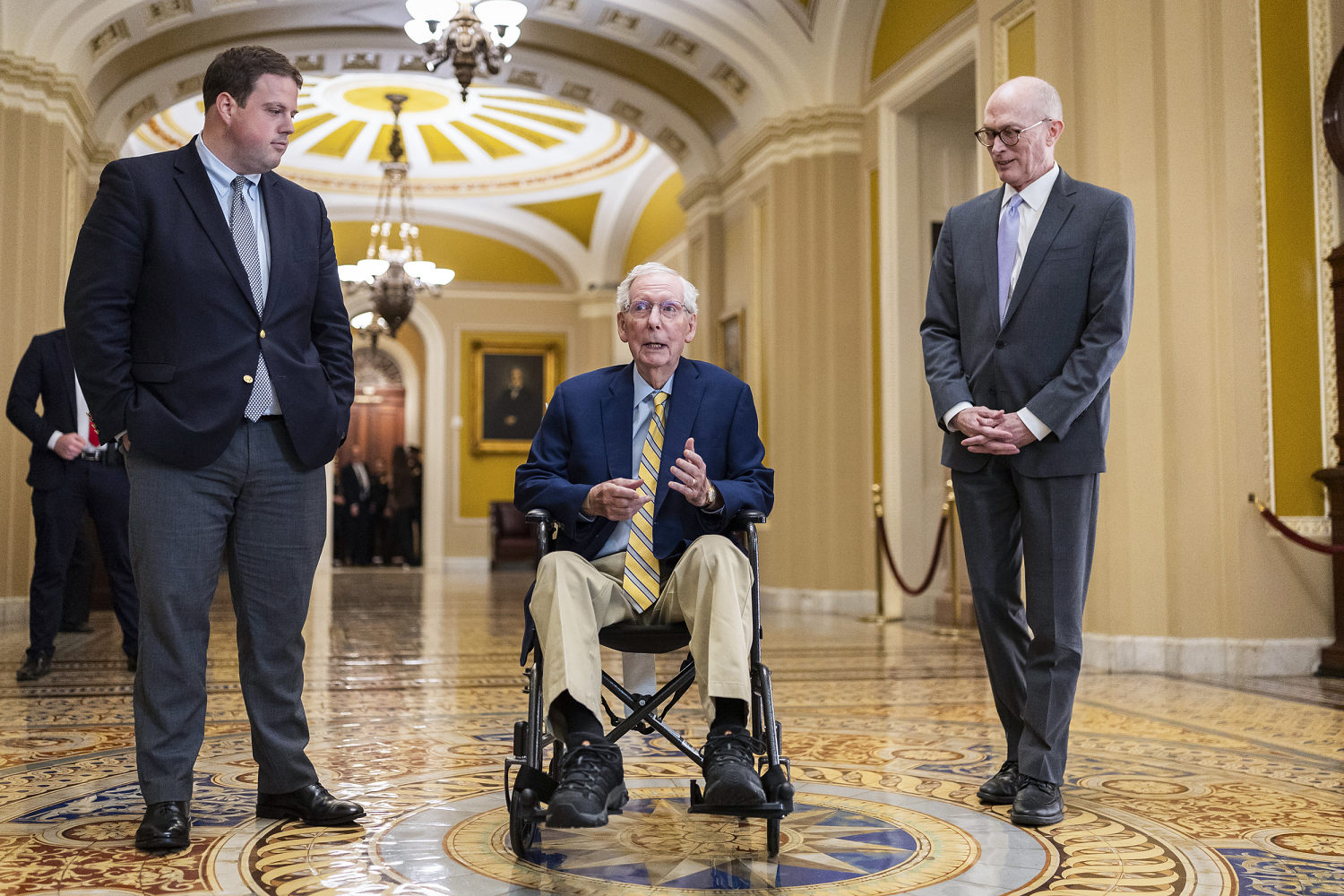
Mitch McConnell walked back onto the floor of the United States Senate after a three-month absence, and the political press instantly converted his return into a predictable calculus of votes, committee assignments, and party discipline. But calculations miss the human cost. They miss the stark reality of what it means to age under the unforgiving glare of public architecture, where every stumble is broadcast, analyzed, and weaponized.
To understand the weight of that return, you have to strip away the marble and the mahogany. You have to look at the physical architecture of power.
For nearly forty years, the Kentucky senator has operated as a master of procedural gravity. He understood that the Senate is not merely a debating society; it is a machine built on endurance. Bills die not because they lack merit, but because the clock runs out, the votes dissolve, and human bodies break down under the relentless march of late-night sessions and cross-country flights.
Then came the freezing episodes. Those terrifying moments in front of live microphones where language simply evaporated, leaving a man staring blankly into a forest of camera lenses while aides scrambled to pull him away. The nation watched in real-time as the invisible armor of political omnipotence cracked.
When a public figure falters physically, we experience a collective discomfort. We do not just witness a decline; we are forced to confront our own fragility. If the man who controls the confirmation of judges and the fate of legislative packages can be silenced by a momentary neurological blank, what does that say about the fragile systems we trust to run the world?
During those three months away, the Senate did not grind to a halt, yet it drifted. Committees found themselves without their ultimate tactician. Colleagues whispered in cloakrooms about succession, legacy, and the uncomfortable ethics of holding onto office while the body demands rest. Every politician insists they are indispensable, yet the institution always absorbs their absence with cold efficiency.
When McConnell returned, his gait was slower. His remarks were brief, deliberate, heavily scripted. The media rushed to score the performance like a boxing match, asking whether he looked strong enough to finish his term. That question misses the point entirely.
Strength in late-stage political life is no longer about physical dominance. It is about stubbornness. It is about the refusal to yield the stage to the younger wolves circling in the shadows, waiting for the inevitable opening.
Think about what drives a person to return to a high-stress arena after a medical crisis that would prompt anyone else to retire to a quiet porch in Kentucky. It is not merely vanity. It is the terrifying vacuum left by the absence of purpose. When your entire identity has been fused with the machinery of the state for half a century, stepping away feels less like retirement and more like dissolution. To stop fighting is to accept that your story is over.
So he returned to his seat. He cast his votes. He navigated the steps with careful, deliberate supervision.
And the cameras recorded every second of it, hunting for the next tremor, the next hesitation, turning a human being's twilight into daily entertainment. We consume these moments with a strange mix of morbid fascination and empathy, scrolling through clips on our phones while eating breakfast, entirely detached from the physical agony of a body betraying its owner in public view.
Power exacts a toll long before it abandons you. It demands your privacy, your peace, and eventually, your dignity.
The doors of the chamber closed again after the votes were tallied. The reporters retreated to their filing booths. The senators dispersed to fundraisers and secure briefings. But the image of that slow, measured walk down the center aisle lingers—a stark reminder that no matter how tightly a person grips the levers of history, time remains the only whip that never misses its target.