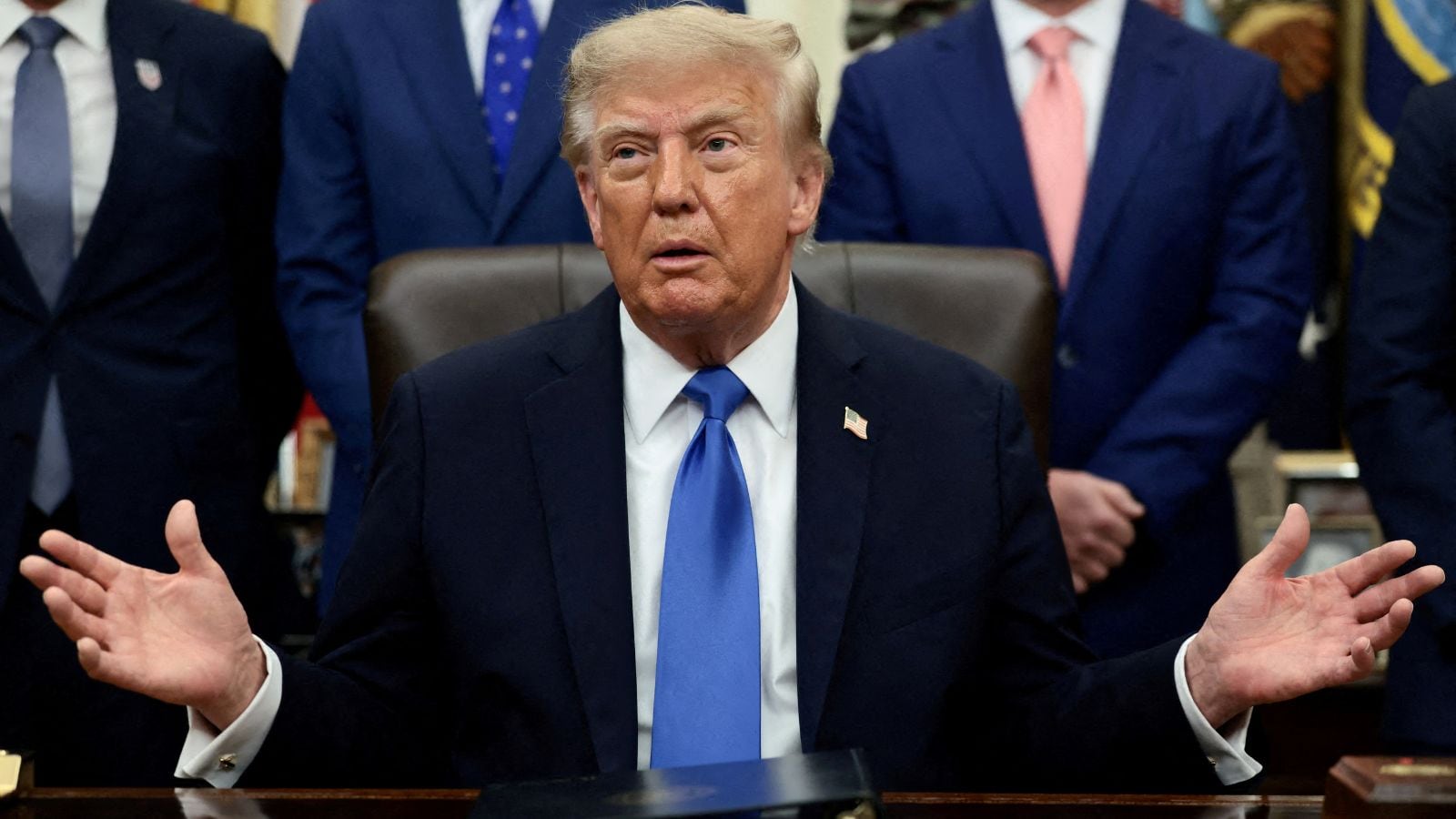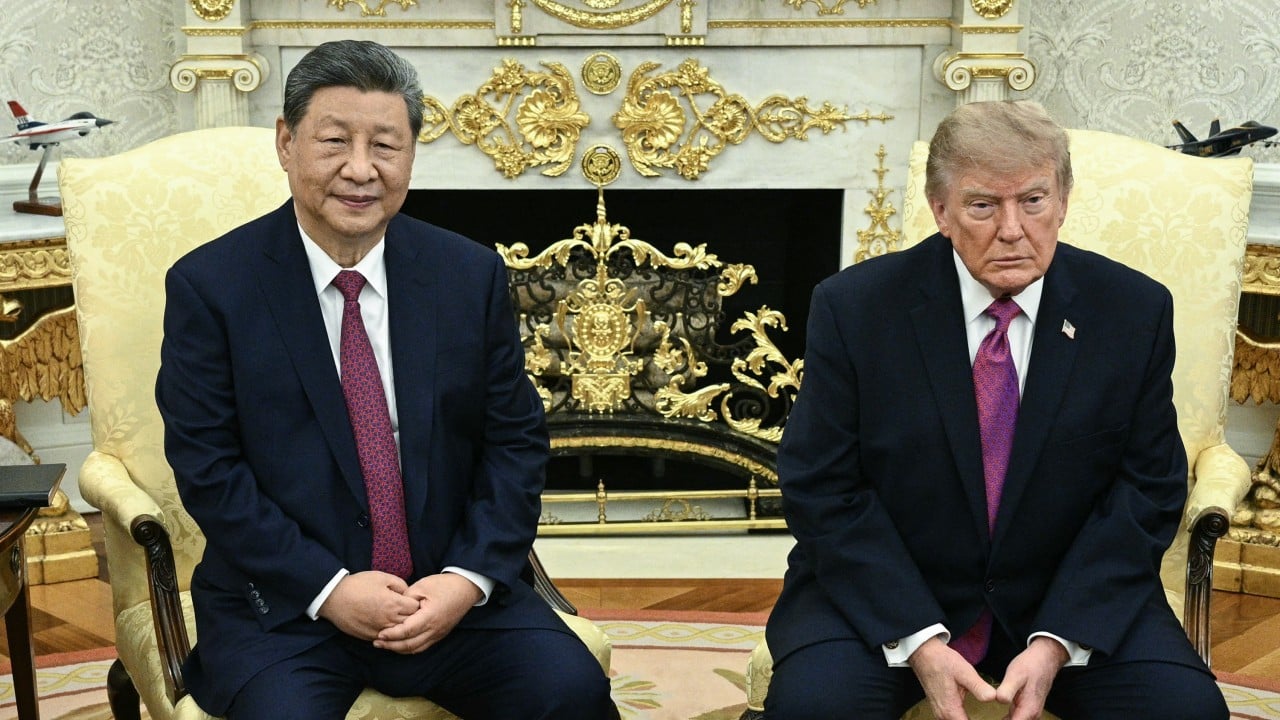
Every time two men in dark suits shake hands across an oak table, the pundit class loses its collective mind. Headlines scream about breakthroughs, resets, and historic turning points. Watchers dissect the length of the handshake, the seating arrangement, and the facial expressions of the translators as if they were reading tea leaves.
It is theater. Expensive, exhausting, and entirely disconnected from how global power actually functions.
When committees on Capitol Hill gather to review the latest outcomes from a Xi Jinping and Donald Trump summit, they treat the resulting communiqués like tablets brought down from the mountain. They debate whether a vague promise on trade quotas or a half-baked concession on maritime security signals a new era of cooperation or an impending cold war. This is a profound category error.
Let us look at the mechanics of statecraft without the romantic soft-focus lens. Summits do not alter grand strategy. They merely codify shifts that have already happened on the ground, or worse, they provide cover for politicians back home to pretend they are managing problems they have no intention of solving.
The Myth of the Negotiated Breakthrough
The lazy consensus in foreign policy circles is that diplomacy is a friction-free medium where clever negotiators can bargain their way to mutual prosperity if only they show enough political will. This assumes that international relations operate like a corporate merger where legal teams iron out details until both sides sign on the dotted line.
Realism tells us something harsher. Structural competition between superpowers is driven by geography, domestic regime survival, and technological supremacy. These variables do not change because two leaders spend three hours eating prime rib and exchanging talking points written by career bureaucrats six months prior.
When a trade deficit spans hundreds of billions of dollars, or when sovereign claims over vital shipping lanes overlap, no amount of summit diplomacy alters the underlying math. What looks like a breakthrough on camera is usually a temporary truce designed to calm jittery stock markets or buy time for domestic political cycles.
Consider the track record of high-level summits over the past three decades. The grand agreements trumpeted as game-changing moments routinely dissolve into recycled tensions the moment domestic economic pressures flare up. Tariffs are lifted with great fanfare, only to be replaced by nuanced export controls or targeted industrial subsidies that achieve the exact same protectionist goals under a different name.
Why Congress Keeps Falling for the Show
Lawmakers love hearings on summit outcomes because it gives them a stage to perform concern for national security while avoiding the messy, unglamorous work of long-term economic restructuring. It is much easier to grill an undersecretary about a joint statement than it is to pass comprehensive domestic legislation on semiconductor manufacturing, energy grid modernization, or educational reform.
The hearings operate on a shared fiction. Members of Congress pretend that the administration secured a binding commitment, and the administration pretends that the other superpower takes American legislative intent seriously. Both sides know the truth. Beijing operates on decades-long strategic horizons; Washington operates on a two-year electoral clock. A handshake between presidents cannot bridge that structural mismatch.
When Capitol Hill reviews these summits, they focus on what was said rather than what was left off the table. They chase shadows. They debate the rhetoric of cooperation while ignoring the hard-nosed capital allocation happening in venture capital boardrooms and military laboratories from Shenzhen to Austin.
Where the Real Power Lies
Geopolitics is no longer fought primarily through joint communiqués or tariff negotiations. It is won through supply chain dominance, algorithmic standardization, and energy independence.
While diplomats argue over trade balance phrasing, engineers are rewriting the rules of artificial intelligence, quantum computing, and rare earth processing. These domains do not bend to diplomatic charm. They respond to capital, talent density, and industrial capacity.
If you want to understand where the bilateral relationship is heading, ignore the press conferences. Look at venture funding flows for domestic robotics. Look at the timeline for domestic mineral extraction. Look at which universities are producing the most PhDs in materials science. That is the actual scoreboard. The summit stage is just where politicians go to take credit for trends they did not create and cannot stop.
Stop treating diplomatic theater as structural reality. The sooner we stop looking for salvation in handshake photos, the sooner we can focus on building the domestic resilience required to compete in a world that stopped playing by Washington rules a long time ago.