The standard geopolitical script writes itself every single morning in Washington. A foreign minister makes a statement, a think tank publishes a white paper about containment, and pundits nod along to the tired narrative that every capital on earth is waiting for a green light from the West. That lazy consensus assumes absolute diplomatic gravity rests exclusively in Western capitals. It is a comforting delusion for bureaucrats who measure power in communique length rather than on-the-ground reality.
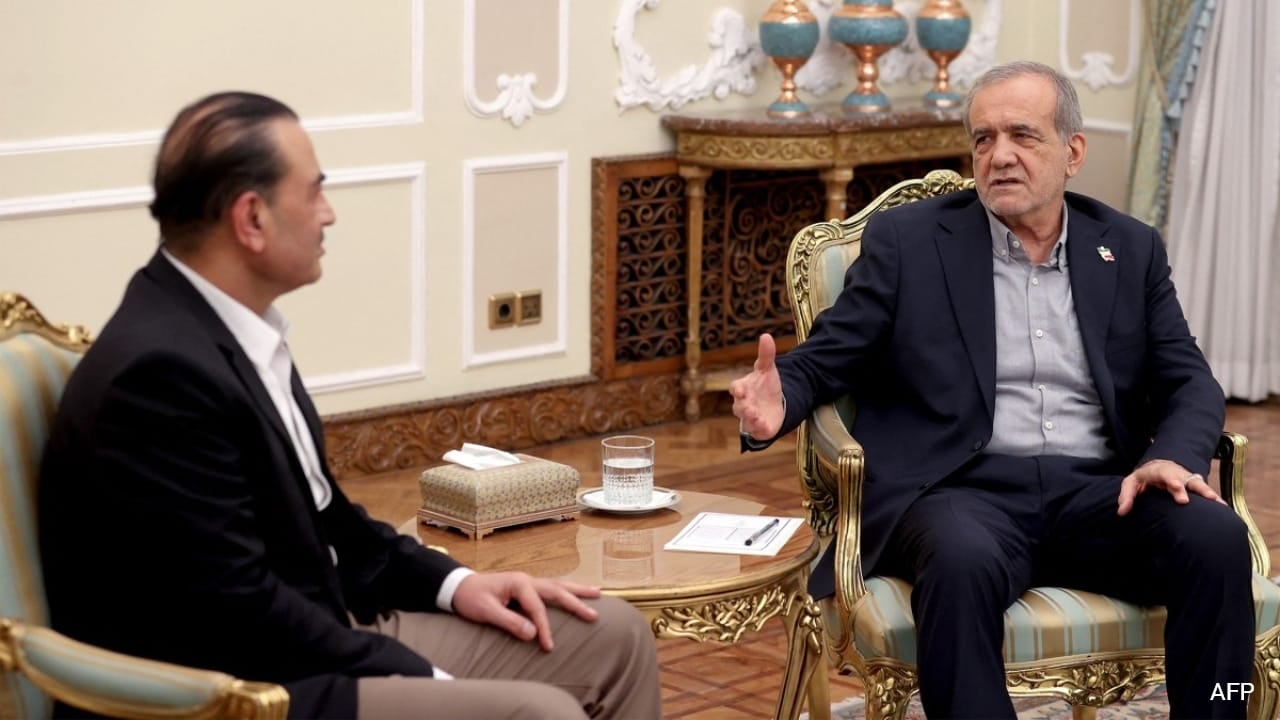
When headlines blared that Tehran told the Pakistani military leadership to shut the door on Washington until specific demands are met, the immediate Western reaction was predictable hand-wringing. Analysts treated it as a snub, a diplomatic tantrum, or a sign of encroaching isolation. They missed the structural mechanics entirely. If you enjoyed this piece, you should look at: this related article.
Let us look at the actual incentives driving this dynamic. For decades, foreign policy commentary has treated Pakistan as a transactional asset or an erratic client state waiting for a bailout. That perspective belongs in the dustbin of history. When military leadership in Islamabad hears conditional demands from Western capitals tied to impossible reform benchmarks, they are not weighing whether to comply. They are calculating the domestic cost of obedience.
Geopolitics is not a polite debate club. It is a brutally pragmatic arena governed by geography, internal survival, and regional security realities. Pakistan shares a porous, highly volatile border with Iran. Energy corridors, Balochistan security dynamics, and sectarian fault lines mean that Islamabad's relationship with Tehran is not an ideological preference; it is a matter of immediate physical survival. If you are running security operations in Rawalpindi, a lecture from a Washington bureaucrat about international norms feels entirely abstract compared to a destabilized western frontier. For another look on this event, see the recent update from USA Today.
The conventional analysis assumes that economic leverage equals behavioral compliance. That formula broke somewhere around 2020. Sanctions regimes and conditional aid packages have diminishing returns when the target state realizes that compliance yields permanent instability while defiance preserves internal order. Tehran understands this dynamic intimately, having lived under maximalist economic pressure for decades. By drawing a hard line and communicating directly with its eastern neighbor about excluding external pressure, Iran is not just setting terms; it is exposing the hollow core of modern Western diplomatic leverage.
Look at the pipeline politics and border security cooperation that consistently bypass Western oversight. Trade continues through unofficial and semi-official channels because geography dictates commerce. When Islamabad pauses engagement with Washington at the behest of regional signaling, it reflects a calculated pivot toward regional self-reliance. The architects of foreign policy in Western capitals keep trying to apply twentieth-century containment models to a twenty-first-century multipolar grid where regional heavyweights make direct bilateral arrangements without asking permission.
This brings us to the uncomfortable truth that editorial boards refuse to print. The era of unilateral diplomatic dictation is over. When a regional powerhouse tells an intermediary that talks are off the table until underlying grievances and structural demands are met, it is not posturing. It is a boundary test. And every time Washington responds with surprise rather than strategic adaptation, the boundary moves further away.
The real danger for Western strategy is not that Pakistan is pivoting entirely to the East. The danger is that Islamabad and Tehran are discovering they do not need Western validation to manage their neighborhood. Regional security architectures are being built in real-time, in back rooms, through direct military-to-military communication, entirely detached from multilateral summits or Western approval.
Stop reading the diplomatic communiques as literal truths and start reading the silence. The absence of talks with Washington is the loudest statement being made in South Asia today.