International law is messy. When you host global organizations on your home soil, you don't always get to pick your houseguests.
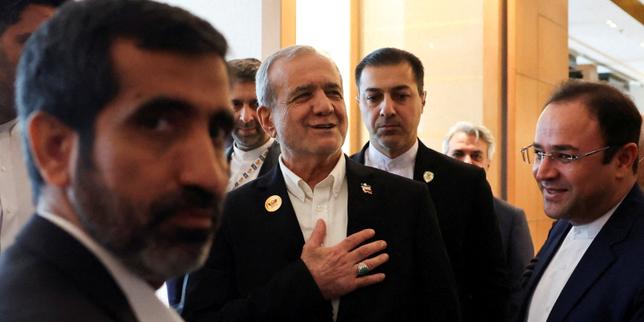
The United States recently approved entry visas for Iran's core political leadership, including President Masoud Pezeshkian and Foreign Minister Abbas Araghchi, allowing them to attend the high-level United Nations General Assembly meetings in New York. For a more detailed analysis into similar topics, we recommend: this related article.
This happens against a backdrop of deep diplomatic freeze and active regional friction. If you're wondering how Washington justifies handing travel documents to officials from a government it fiercely opposes, you have to look at the fine print of global treaties.
The Headquarters Agreement Trap
People often forget that New York isn't just an American city when the UN is in town. Under the 1947 UN Headquarters Agreement, the host country has a legal obligation. For further background on the matter, comprehensive coverage can be read at Al Jazeera.
Washington generally cannot block foreign officials from entering the country simply because bilateral relations are hostile. The agreement exists to ensure the United Nations can function as an independent international body. If the host nation could bar delegates at will, global diplomacy would break down entirely.
State Department officials confirmed that visas were cleared for the core delegation and essential staff. It is a routine administrative compliance exercise dressed up as a major geopolitical concession.
Realpolitik Versus Rhetoric
Let's be honest. Handing visas to adversaries always sparks immediate domestic backlash. Critics point out the contradiction of welcoming leaders from a state accused of sponsoring regional instability while active security tensions simmer.
Yet, international relations run on channels that rarely close completely. Denying entry to high-ranking state actors at the UN creates a dangerous precedent. Other nations could use the same excuse to block American diplomats from entering global summits hosted elsewhere.
Washington chose procedural compliance over a diplomatic shutdown. Keeping communication lines physically open in Manhattan matters, even when both sides refuse to budge on major policy fronts.
What Happens Inside the Green Zone
Once these delegations land in New York, their movements are tightly restricted. Iranian officials typically face strict perimeter boundaries, confined mostly to the UN headquarters district, their permanent mission, and local accommodation.
They don't get to tour the country. They show up, deliver scheduled speeches, hold behind-the-scenes meetings with other member states, and leave.
The UN General Assembly remains a unique stage where open conflict meets mandatory coexistence. By granting these visas, the United States protects its obligations as the host nation while keeping the diplomatic theater functioning under immense pressure.