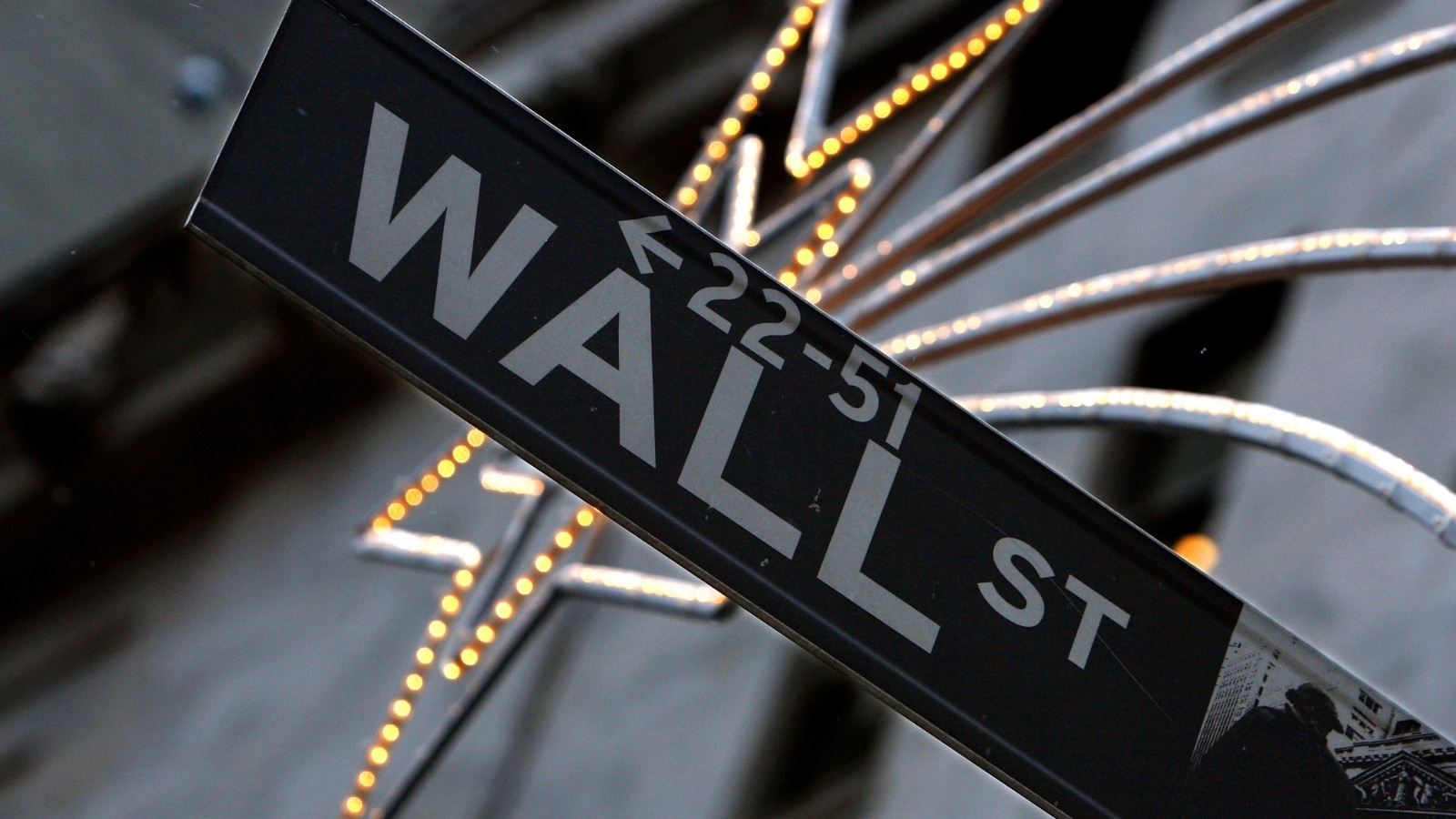
Wall Street spent Friday morning staring at a set of economic numbers that proved the economy is entirely too healthy for its own good. When the government dropped its nonfarm payrolls report showing the U.S. added 162,000 jobs in August—blowing past consensus estimates that hovered around 55,000—investors did what they always do when reality defies low expectations. They panicked and sold stocks.
It is the classic market paradox. Good economic news means the Federal Reserve stays aggressive.
Major equity indexes slid heading into the long holiday weekend. The Dow Jones Industrial Average dropped 271 points, or 0.51 percent, finishing at 53,414.25. The S&P 500 lost 0.38 percent to land at 7,718.60, while the Nasdaq Composite slipped 0.29 percent down to 26,506.99. Traders quickly realized that a resilient labor market gives central bankers zero incentive to pivot toward easy money.
The Bond Market Reaction
Treasury yields spiked immediately after the data hit. The two-year yield, which tracks short-term monetary policy expectations closely, climbed four basis points to 4.37 percent after briefly touching 4.42 percent—its highest mark since January 2025. The benchmark 10-year note hovered near 4.78 percent following a peak of 4.81 percent.
Short-term interest rate futures reacted with whiplash. Implied probability for a Federal Reserve rate hike at the September meeting jumped to roughly 65 percent right after the report before settling back near 57 percent by afternoon trading.
The unemployment rate held steady at 4.1 percent, showing that layoffs remain rare and companies keep hiring despite elevated borrowing costs. July's initially dismal job figures also received a dramatic upward revision from negative territory up to a positive 21,000, completely rewriting the narrative of a cooling summer labor market.
Why Traders Are Pricing In Pain
For months, equity bulls wanted a softening economy because they thought it guaranteed swift monetary relief. Instead, they got strong employment figures paired with lingering inflation fears. Bret Kenwell, an investment analyst at eToro, noted that the labor market holding up means inflation stays the primary headache for central bank policymakers.
Attention now shifts directly to upcoming consumer and producer price inflation prints. Economists expect core consumer prices to register an annual increase around 2.4 percent, a slight cooling from July's 2.5 percent reading. That data will serve as the final decider before the mid-September rate decision.
Meanwhile, currency and commodity markets felt the tremors too. The U.S. dollar index climbed 0.21 percent to 99.17 as foreign exchange traders adjusted their yield differentials. Brent crude futures settled up 0.8 percent at $92.68 a barrel, driven higher by ongoing supply route disruptions and geopolitical tensions in the Middle East.
If you trade equities, stop treating robust employment data like a tragedy. A growing economy builds underlying corporate profits, even if high interest rates compress valuations in the short term. Keep your focus on upcoming inflation reports rather than daily index noise.