Governments love to overcomplicate things. When Keir Starmer’s administration first floated the idea of a mandatory digital ID in late 2025, the backlash was instant. Almost three million people signed a petition against it. Civil liberties groups started shouting about "papers please" culture. The whole thing looked like a total disaster. But then something interesting happened. The UK government didn't just scrap the idea; they scaled it back.
Feryal Clark and other ministers shifted the narrative. They stopped talking about making it a requirement for your job and started talking about how it could actually stop populism from winning. It sounds like a stretch, doesn't it? How does a digital wallet on your phone stop a political firebrand from taking over? Building on this theme, you can also read: The Controversial Truth About Tech Addiction Lawsuits Nobody Admits.
The answer is simpler than you'd think. Populism grows in the gaps where the state fails. When you can’t get a GP appointment, when your passport takes six months to arrive, or when you’re stuck in a loop of proving your identity to three different government offices, you get angry. That anger is the fuel for populism. By making the state function without the friction, you take away the fuel.
The death of the mandatory mandate
Let’s be honest, the original "Brit Card" proposal was a PR nightmare. It was framed as a way to police the "right to work," which immediately felt like surveillance. By early 2026, the government performed a massive U-turn. They realized that if you force people to use a digital ID, they'll hate it. If you make it so useful that they want to use it, they'll defend it. Observers at Mashable have also weighed in on this matter.
The current strategy is all about the Data (Use and Access) Act 2025. Instead of one big government database, we’re seeing a "trust framework." This is basically a set of rules that lets private companies and government apps talk to each other securely.
- GOV.UK One Login: Replacing 190 different ways to sign in.
- GOV.UK Wallet: A place for your driving license and certifications.
- Private Sector Choice: You pick the provider you trust.
This "scaled-back" version isn't actually smaller in scope; it’s just less bossy. It’s about building a digital infrastructure that works in the background.
Friction is a political choice
I’ve seen how government bureaucracy works from the inside. It’s often a mess of legacy systems from the 90s that don't talk to each other. When you move house, you shouldn't have to tell five different departments. Every time the government asks you for the same information twice, it’s a failure of service.
Populist movements thrive on the idea that "the system is broken." And when it takes three weeks to verify your identity just to claim a benefit you're entitled to, it is broken. Digital ID fixes this by creating a "reusable" credential. Once you're verified, you're done. No more scanning utility bills or sending your physical passport through the mail.
By reducing this friction, the government isn't just being efficient. It’s proving that it can actually deliver. In a world of deepfakes and identity theft, having a secure, state-backed (but not state-mandated) way to prove who you are is a massive advantage.
Security without the Big Brother vibes
One of the biggest misconceptions is that a digital ID means the government is tracking your every move. The 2026 framework actually uses something called encryption and decentralized storage. Your data stays on your device. When you use your digital ID to buy a bottle of wine or open a bank account, the provider doesn't get your whole life story. They get a "Yes/No" confirmation.
This is a huge win for privacy. Right now, when you show a physical ID at a bar, the bouncer sees your full name, your exact birthday, and where you live. That’s a massive privacy leak. A digital version just confirms you’re over 18. It’s more secure than the plastic in your wallet, and it’s way harder to forge.
Why the "voluntary" part matters
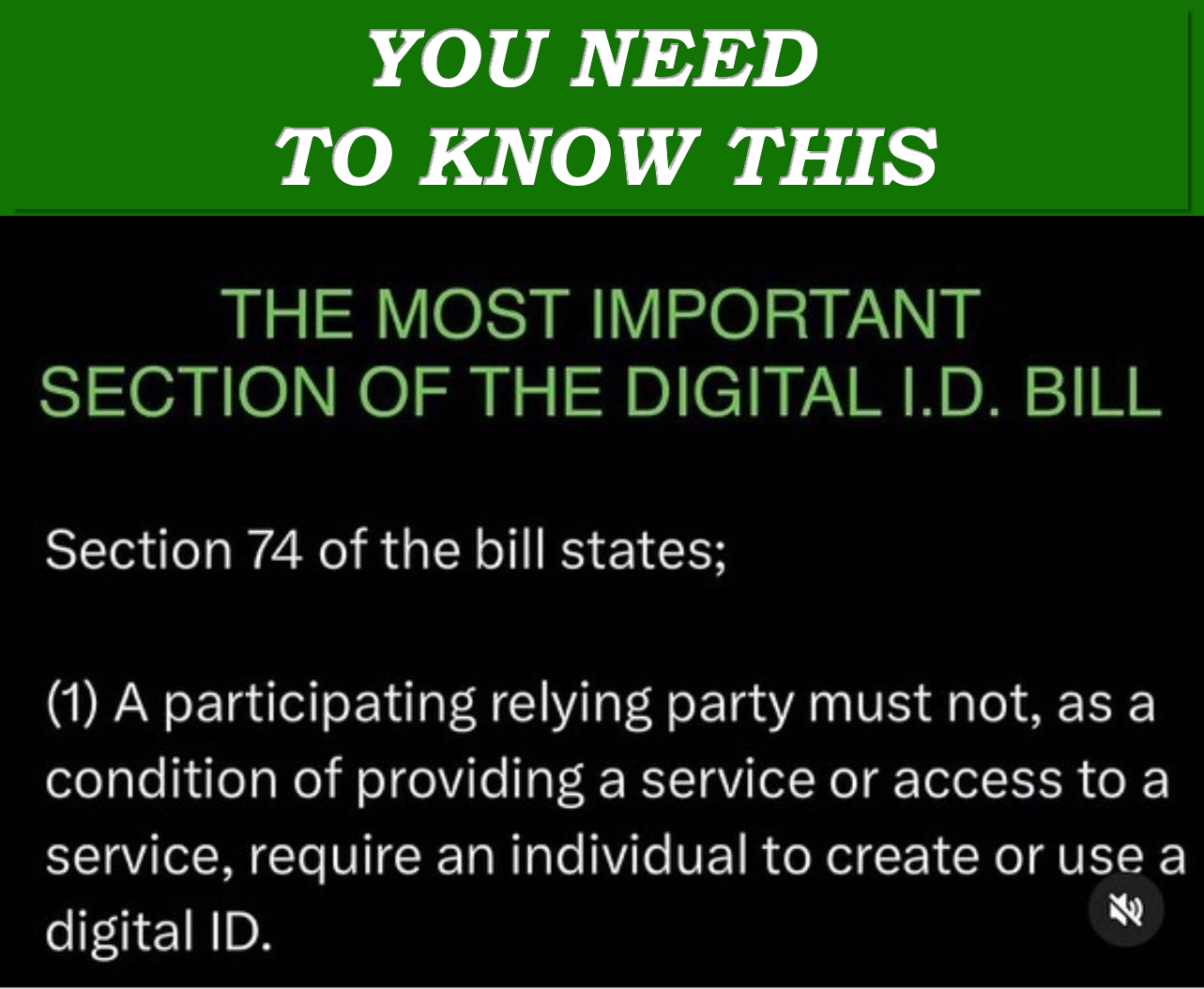
The move to make this voluntary was a masterstroke of political survival. It takes the wind out of the sails of the "state surveillance" argument. If you don’t want it, don't use it. Stick to your paper documents.
But here’s the reality: once people see their friends skipping the queues at the airport or getting their tax rebates in 24 hours because their identity was pre-verified, the holdouts will vanish. We saw this with contactless payments. Nobody was forced to stop using cash, but the convenience won.
By framing digital ID as a tool for "citizen empowerment" rather than "state control," the UK is trying to rebuild the social contract. It’s a gamble, but it’s a smart one.
How to get ahead of the shift
You don't need to wait for a letter in the post to start navigating this. The private sector is already moving faster than the government. If you want to see where this is going, look at the UK CertifID trust mark.
- Check your apps: See if your banking or insurance app is already using certified identity providers.
- Adopt GOV.UK One Login: If you haven't merged your government accounts yet, do it. It’s the foundation of the new system.
- Protect your physical docs: Until the "Wallet" is universal, your physical passport is still your primary backup. Don't lose it.
The goal isn't to create a digital prison. It's to make the government so efficient that you barely notice it's there. That’s the real way to beat populism—by making the "broken system" actually work for the people who pay for it.
The era of the "Brit Card" is dead. Long live the digital wallet you actually choose to use. Stop worrying about the surveillance bogeyman and start looking at how much time you're wasting in queues. The future is voluntary, and it's already on your phone.