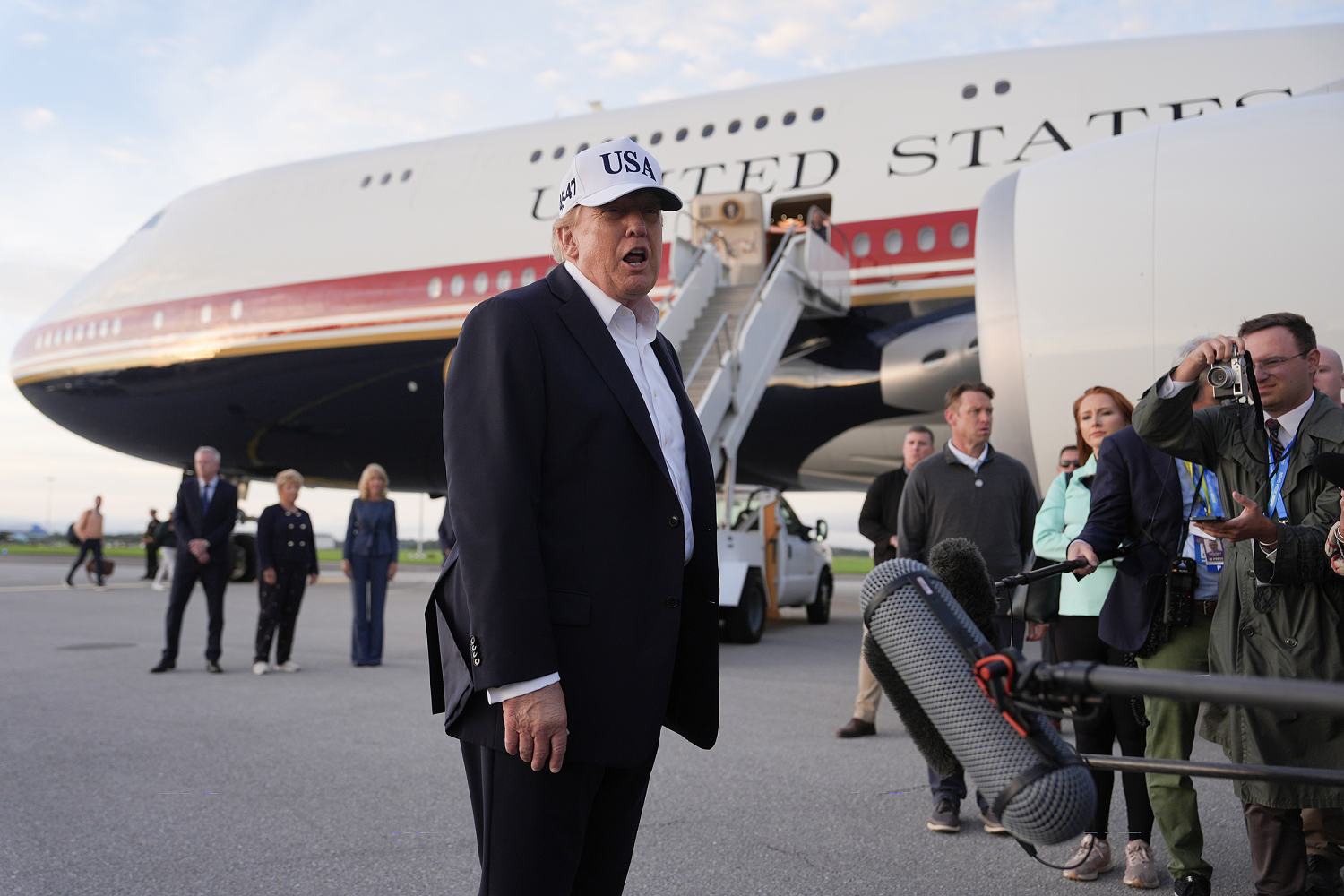
There is a specific kind of silence that falls over an airfield right before the engines scream. It is an electric stillness, thick with the smell of JP-8 jet fuel and ozone, punctuated only by the nervous clicking of camera shutters and the low murmur of reporters checking their audio levels. You know that silence if you have stood on the tarmac, waiting for the massive white-and-blue silhouette of Air Force One to taxi into view. You know the weight of the press pass swinging against your ribs, serving as both a badge of honor and a ticket to the room where history is recorded.
Then, the door opens.
Imagine the sudden, acute drop in the stomach of a journalist who watches the metal stairs roll into place, only to realize that their name—and the name of their organization—has been quietly, deliberately erased from the manifest.
That is what happened when the White House barred CNN from covering a presidential trip to Tennessee.
It was not a logistical hiccup. It was not a matter of a cramped cabin or a miscalculated seating chart. It was a calculated exclusion, a chilling reminder that access to the highest office in the land is not a constitutional right enshrined in stone, but a fragile privilege that can be revoked with the stroke of a pen.
To understand why this matters, you have to step away from the polished mahogany tables of Washington and look at how power actually operates. Power hates a mirror. It prefers a portrait—soft-focused, carefully lit, and painted by its own chosen artists. For decades, the pool system has functioned as an imperfect compromise between the state and the fourth estate. A rotating handful of reporters—representing television, print, radio, and digital outlets—travel with the president precisely to ensure that no single voice is silenced, and no single narrative goes unchecked. When you lock one of those voices out of the room, you are not just punishing a corporation or a specific anchor. You are locking out every citizen who relies on that lens to see what their government is doing in their name.
Consider what happens next.
When a major news network is shut out of a presidential movement, the information pipeline narrows. The official word becomes the only word. The questions that linger in the minds of everyday Americans—questions about public funds, policy impacts, and political theater—go unasked on that flight. The barrier between the governed and the governor grows a fraction of an inch thicker. Multiply that fraction by every blocked camera, every barred press room, and every silenced question, and soon you have a wall.
Journalism, at its best, is an act of uncomfortable witness. It is the reporter standing in the rain outside a factory that just closed, or counting the empty seats in a rural classroom, or shouting a hard question up the stairs of Air Force One while the rotors churn. It is messy. It is inconvenient. It is designed to irritate those in charge. When politicians attempt to curate who gets to watch them, they misunderstand the entire architecture of a free republic. The press pool does not belong to the administration. It belongs to the public.
The trip to Tennessee was meant to be about regional policy, local stops, and the ordinary pulse of American life outside the Beltway. But the story became the trip itself—or rather, the empty seat where a camera should have been.
We have walked down this road before. History teaches us that the erosion of a free press never starts with a dramatic bonfire of printing presses. It starts quietly. It starts with a credential withheld. It starts with an exclusionary list pinned to a clipboard. It starts with the normalization of retaliation against outlets that ask the wrong questions or report inconvenient truths.
If we shrug our shoulders at the exclusion of one network today, we invite the exclusion of any network tomorrow. The velvet rope gets pulled a little tighter. The guest list gets a little shorter. Eventually, the only people allowed in the room are the ones willing to nod along with the script.
The engines on the tarmac in Tennessee eventually wound down. The motorcade rolled out toward its destination, sirens wailing, cutting a path through the afternoon traffic. Inside the vehicles, staff members whispered, aides coordinated schedules, and the president prepared to deliver remarks. But back at the press filing center, miles away from the motorcade windows, a blank space on a seating chart remained. It was a small, quiet omission. And that is precisely why it was so loud.