Commercial aviation operates on tight asset utilization models where a grounded aircraft represents an immediate disruption to profitability and network scheduling. When an external contamination vector such as Cimex lectularius breaches the cabin environment, the ensuing operational friction exposes vulnerabilities in asset turnaround protocols. Managing a biological vector incident requires a structured framework that balances passenger safety, regulatory compliance, and rapid asset redeployment.
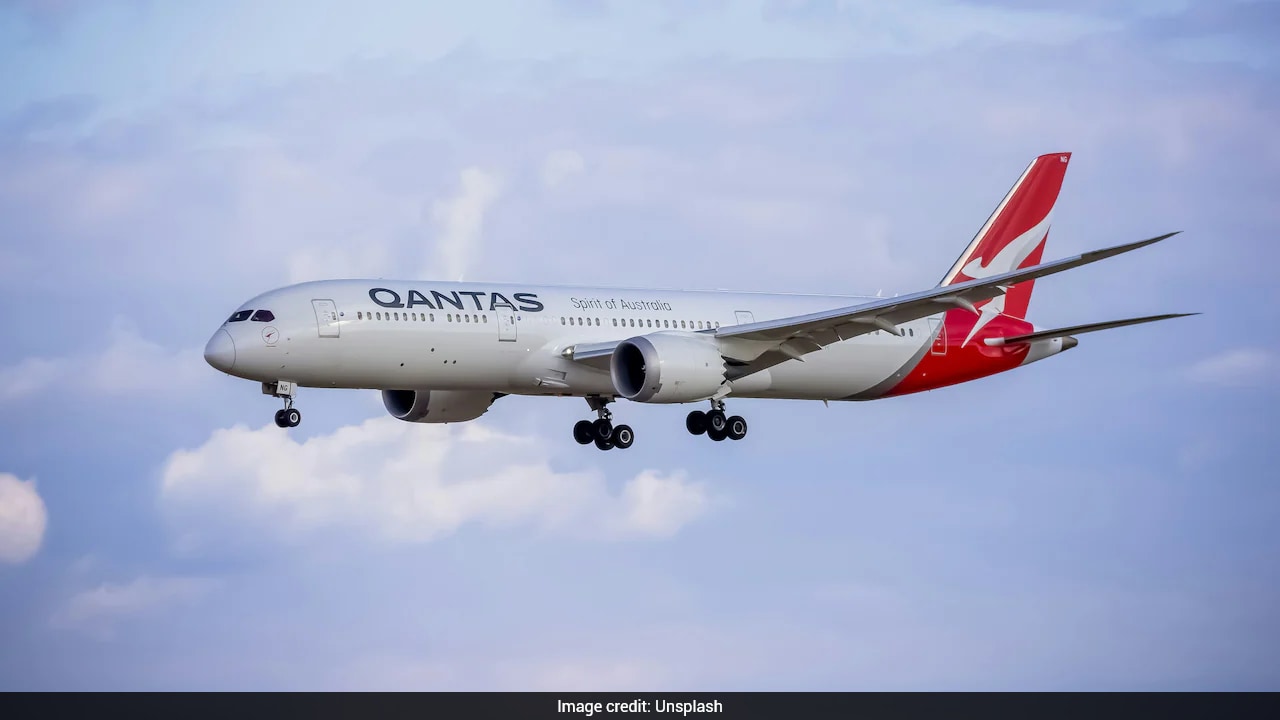
The incident involving a Qantas flight diverted and grounded in Rome following a biological contamination report highlights the systemic challenges airlines face when perimeter defenses fail. Standard cleaning procedures designed for routine turnaround windows are insufficient for persistent parasite infestations, necessitating heavy-duty remediation protocols that dismantle normal scheduling constraints. If you liked this article, you might want to check out: this related article.
The Economic Impact of Asset Immobilization
Aircraft profitability is a function of utilization rate. Every hour an aircraft spends in an unscheduled maintenance or deep-cleaning facility incurs two distinct financial penalties: direct remediation costs and network ripple effects.
- Direct Capital Expenditure: Chemical treatments, thermal remediation, and specialized labor required for intensive biological eradication exceed standard turnaround budgets.
- Opportunity Cost: Passenger reaccommodation, hotel vouchers, and crew scheduling adjustments degrade operating margins.
- Network Dispersion: The displacement of a single widebody aircraft from its intended rotation disrupts downstream connections across international hubs.
When an infestation forces an aircraft to ground at an out-station like Rome rather than a primary base, the logistics of sourcing certified vector control specialists compound the delay. Local contractors must be vetted, mobilized, and granted airside access, transforming a simple hygiene issue into a multi-agency coordination challenge. For another look on this event, refer to the recent coverage from AFAR.
Pathogen and Vector Transmission Dynamics in High-Density Cabins
Commercial aircraft cabins represent closed microenvironments characterized by low relative humidity, high seating density, and continuous passenger turnover. While viral and bacterial vectors rely primarily on aerosolized or surface-contact transmission, biological ectoparasites exploit structural vulnerabilities within the cabin interior.
The architecture of modern seating configurations provides numerous harborages. Upholstery seams, composite panel joints, luggage bin linings, and seat-back storage pockets offer dark, protected environments that resist passive cleaning methods. Unlike hard surfaces that respond to quaternary ammonium compounds, biological vectors require targeted thermal or chemical interventions capable of penetrating dense materials without damaging avionics or interior finishes.
Grounding an aircraft for a deep clean is an acknowledgment that surface wiping fails to address systemic harbourage. The biological lifecycle of ectoparasites means that missing a single gravid female restarts the contamination cycle upon the subsequent flight leg.
Operational Remediation Frameworks
Effective containment and eradication require a phased operational response rather than ad-hoc cleaning. The protocol must follow a strict sequence to ensure safety certification and passenger confidence.
- Isolation and Assessment: Upon identification of the vector, cabin crew must isolate the affected zone to prevent migration to adjacent seating blocks or avionics bays. Maintenance control evaluates the extent of the infestation based on passenger reports and physical evidence.
- De-siting and Transit Diversion: If contamination is confirmed mid-flight, standard operating procedures dictate diversion to the nearest capable station with established maintenance partnerships to minimize exposure duration.
- Targeted Eradication Protocols: Standard turnaround cleaning relies on vacuuming and mild surface sanitization. Deep remediation mandates either sustained thermal elevation (raising cabin temperatures to lethal thresholds for target organisms) or specialized fumigation protocols approved for aerospace materials.
- Validation and Certification: Before returning the asset to service, third-party inspection teams must verify zero presence across all high-risk vectors. Documentation must satisfy both internal safety standards and civil aviation authority requirements.
Network Resilience and Fleet Redundancy
Airlines mitigate single-point-of-failure vulnerabilities through fleet redundancy and schedule padding, yet extreme disruption events inevitably expose margin limits. When an international route is compromised, carriers must execute pre-planned recovery pathways.
- Aircraft Swapping: Utilizing spare capacity at hub airports to substitute aircraft minimizes downstream delays, though this strategy fails during peak season utilization peaks.
- Passenger Load Redistribution: Consolidating delayed passengers onto subsequent partner airline services or alternative routings maintains service commitments at a higher cost per seat mile.
The operational response to biological incidents serves as a stress test for an airline's ground operations infrastructure. Carriers that maintain pre-negotiated service level agreements with international remediation specialists reduce ground time significantly compared to those scrambling for local vendors reactively.
Strategic Asset Protection
Eliminating vector intrusion vectors entirely is impossible given the global nature of passenger movement. Consequently, airline risk management strategies must focus on detection velocity and remediation efficiency.
Investing in rapid-response framework agreements across all destination ports ensures that when an asset is grounded, the transition from discovery to eradication is immediate. Minimizing the dwell time of grounded aircraft protects network integrity and preserves operating margins against the unpredictable nature of biological contamination.