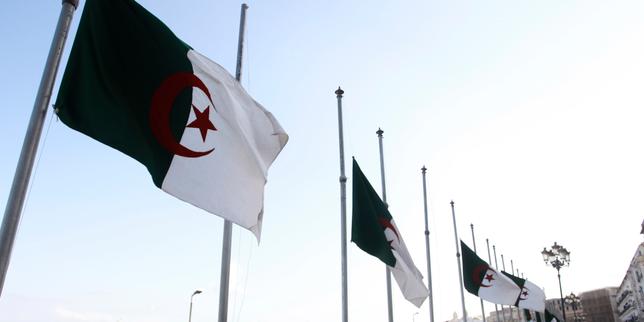
The headlines are predictable. They speak of a "diplomatic thaw," a "new era of openness," and a "strategic victory" for Algiers following the visit of Pope Leo XIV. The mainstream press is obsessed with the optics of a Roman Pontiff standing in the Casbah, framing it as the ultimate validation of Algeria’s return to the global stage.
They are wrong. Discover more on a related topic: this related article.
What we are witnessing isn't a diplomatic spring. It is a desperate, expensive exercise in brand management by a regime that is technically solvent but strategically bankrupt. Calling this a "success" ignores the cold reality of Mediterranean power dynamics and the internal pressures of the Holy See. While the pundits celebrate the "symbolism," they miss the structural decay this visit is designed to hide.
The Myth of Moral Validation
The central argument of the "lazy consensus" is that a papal visit confers a unique kind of international legitimacy. The logic suggests that if the Pope comes to tea, the government must be a stable, reliable partner for the West. Additional analysis by NPR explores comparable views on this issue.
This is a fundamental misunderstanding of how the Vatican operates.
Rome does not reward stability; it manages crisis. Historically, the Holy See prioritizes regions where the Catholic minority is shrinking or where geopolitical tension threatens the status quo. I have watched governments from the Levant to Latin America burn millions on state visits, thinking a photo op with the white cassock will lower their borrowing costs or silence human rights critics. It never does.
For Algiers, the Pope’s presence is a distraction from its deepening isolation within the African Union and its fractious relationship with its northern neighbors. If you have to invite the leader of a tiny city-state to prove you are a major player, you’ve already lost the argument.
The Gas Trap and the Silence of the Lambs
Let’s talk about what wasn’t in the official communiqué: energy.
Europe is starving for non-Russian gas. Algeria has it. The "diplomatic breakthrough" touted by the media is actually a hostage situation where the hostage-taker is also the one buying the groceries. The Vatican, despite its spiritual mission, is an astute political actor. It knows that Italy, the Church’s home base, is tethered to Algerian pipelines.
To view this visit as a purely spiritual or humanitarian gesture is naive. It is part of a broader "Gas Diplomacy" where Algiers uses its natural resources to buy silence on domestic issues. The "light" or "clearing" mentioned in competitor reports isn't sunlight; it’s the flare of a gas terminal.
- The Debt of Silence: By hosting the Pope, Algiers buys a reprieve from European criticism regarding civil liberties.
- The Energy Leverage: Rome serves as an unofficial mediator for Italian energy interests, ensuring the flow of Sonatrach exports remains uninterrupted.
Imagine a scenario where Algeria’s gas reserves were depleted tomorrow. Would Leo XIV be making this trek? Absolutely not. The visit is a byproduct of high commodity prices, not a sudden shift in Algerian political culture.
The Regional Chessboard Algiers is Losing
The competitor article treats this visit as a win for Algerian regional influence. In reality, Algiers is reacting, not leading.
Rabat has been outmaneuvering Algiers for a decade. Through a mix of aggressive "soft power" and the Abraham Accords, Morocco has redefined its position in the Maghreb. Algeria is playing a 20th-century game of state-to-state summits while the rest of the world has moved on to integrated trade blocs and tech-driven security partnerships.
A papal visit is a "one-off." It doesn't build a supply chain. It doesn't create a tech ecosystem. It doesn't fix the brain drain of Algeria's youth. It is a high-gloss sticker on a rusted engine.
The Mediterranean Power Index (Conceptual Breakdown)
If we were to rank regional influence based on tangible metrics—Foreign Direct Investment (FDI), diplomatic reach, and economic diversification—the "Papal Bump" disappears.
- FDI Inflow: Stagnant. Most of the capital entering the country remains trapped in the hydrocarbons sector.
- Diplomatic Reach: Isolated. Tensions with Spain and France remain at a boiling point, regardless of how many Swiss Guards are in town.
- Youth Engagement: Critical. The "Harraga" (migrants) aren't staying because the Pope visited; they are leaving because the economic structure is calcified.
The Ghost of 1996 and the Saintly Diversion
The regime loves to invoke the memory of the Tibhirine monks—a tragedy they have masterfully co-opted. By focusing the Pope’s visit on "interfaith dialogue" and the legacy of the martyrs, they pivot the conversation away from the present.
It is a classic "saints and martyrs" play.
By canonizing the past, they avoid discussing the future. The competitor article eats this up, praising the "spiritual depth" of the visit. But spiritual depth doesn't lower the price of bread or end the "le pouvoir" system that has governed the country since the 1960s.
I’ve sat in rooms with these "insider" analysts who think a handshake between a Cardinal and an Imam is a geopolitical event. It isn't. It's theater. Real power in Algiers still resides in the military barracks, not the mosques or cathedrals. The Pope is a guest of the state, but he is a prisoner of the itinerary.
The Economic Mirage
The most dangerous part of the current narrative is the idea that this visit signals a "reopening" for business.
Don't be fooled.
The Algerian economy remains one of the most protectionist in the world. The "51/49" rule—which requires majority Algerian ownership of most foreign ventures—was only partially rolled back and remains a bureaucratic nightmare. No amount of holy water can wash away the corruption and red tape that define the Algerian market.
If you are an investor looking at the Maghreb, you aren't looking for a blessing from the Pope. You are looking for:
- Contract Enforceability: Virtually non-existent in high-stakes disputes.
- Currency Convertibility: A minefield of central bank restrictions.
- Digital Infrastructure: Decades behind the global standard.
The "diplomatic clearing" is a PR campaign intended to distract from these structural failures. The regime is using the Pope to tell the world, "We are normal," when their economic policy remains decidedly abnormal.
The Church’s Own Agenda
We also need to stop treating the Vatican as a passive validator. Leo XIV has his own problems. The Church in North Africa is a vestige. By visiting Algiers, the Pope is trying to secure the safety of a tiny, aging flock and maintain a seat at the table in the "Global South" discourse.
The Vatican is "using" Algiers as much as Algiers is "using" the Vatican. It’s a transaction of convenience. The Pope gets to look like a bridge-builder in a polarized world, and the Algerian presidency gets a photo that suggests they aren't the North African hermit kingdom.
The Wrong Question
People are asking: "How will the Pope's visit change Algeria's standing?"
The better question is: "Why does Algeria need the Pope to feel legitimate?"
A truly confident power—a Turkey, a Saudi Arabia, or even a rising Egypt—doesn't rely on the "moral authority" of a foreign religious leader to anchor its foreign policy. They rely on trade, military strength, and cultural exports. Algeria’s reliance on this visit proves they have none of the above.
The competitor's "diplomatic clearing" is actually a thickening fog. It obscures the fact that the country is doubling down on a rentier state model while the rest of the world is transitioning to a post-oil reality.
Algiers didn't win a diplomatic victory. They bought a temporary distraction. The crowds will disperse, the Pope will fly back to Rome, and the Algerian people will still be living in a country where the oil price is the only metric that matters.
Stop looking at the cassock. Look at the pipelines.
Stop listening to the prayers. Listen to the silence of the young men in the cafés who know this visit changes nothing for them.
The diplomatic thaw is an illusion. The ice is still there; it’s just being painted white for the cameras.
The reality of Algerian power is not found in a cathedral in Algiers or a palace in Zeralda. It is found in the desperate need for external validation that this entire circus represents.
If you want to understand the future of the Maghreb, ignore the saints. Follow the money, follow the gas, and watch the borders. Everything else is just smoke and mirrors.
Stop celebrating the visit. Start questioning the desperation that made it necessary.