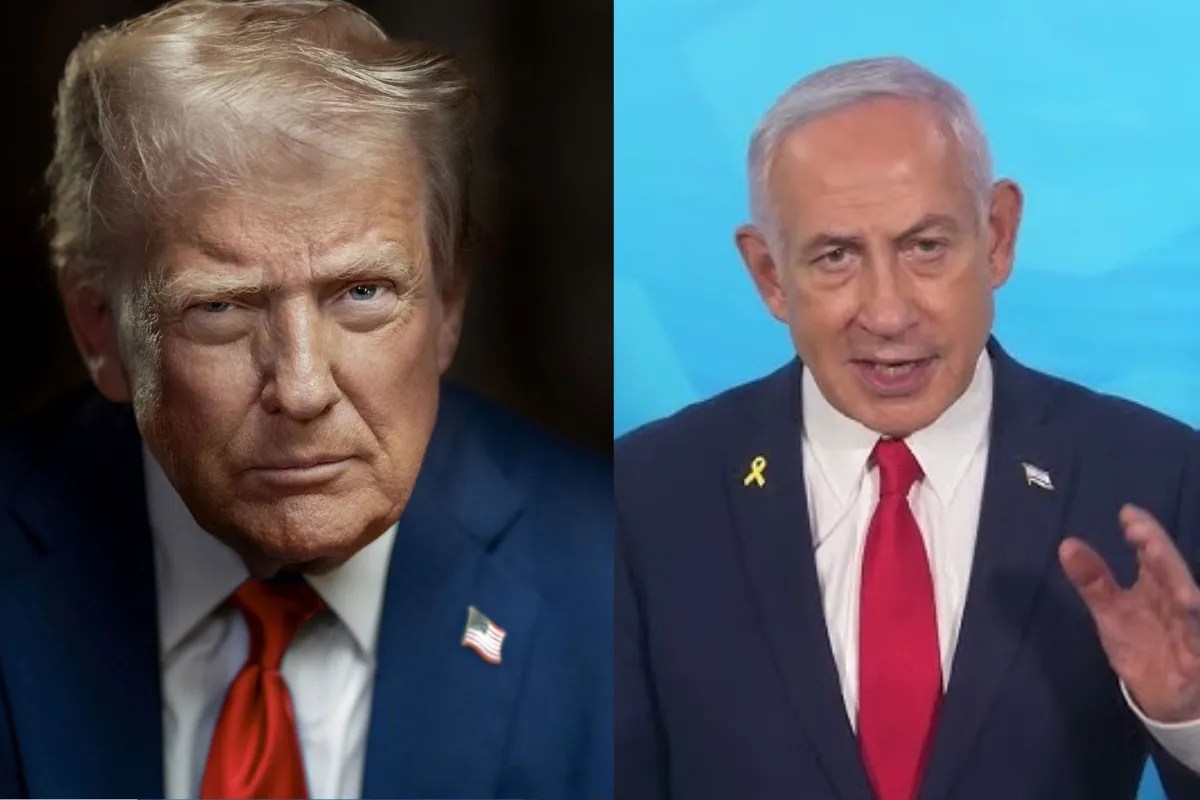
Mainstream geopolitical analysts are reading the room entirely wrong. The current media narrative is fixated on a glaring contradiction: the United States is quietly moving toward a diplomatic understanding with Iran, while an outraged Israel loudly protests that its war objectives remain unfulfilled. Pundits look at this friction and see a breakdown in Western alliance strategy. They treat Israeli anger as a barrier to a regional settlement.
They have it completely backward. Meanwhile, you can explore other stories here: The Myth of Sovereignty and Why the Eduardo Bolsonaro Conviction Changes Absolutely Nothing.
The loud, public friction between Washington and Jerusalem is not a sign that a diplomatic deal is failing. It is the exact structural mechanism required to make one happen. In the brutal mathematics of Middle Eastern diplomacy, Israeli outrage is not a bug; it is a feature that Washington is actively capitalizing on to force Tehran to the negotiating table. The theater of a fractured US-Israel alliance gives the United States its ultimate leverage.
The Lazy Consensus of the Fractured Alliance
The competitor press is obsessed with the surface-level drama. They look at statements from Jerusalem lamenting that "the goals of the war have not been met" and conclude that US foreign policy is in shambles. This view assumes that American and Israeli strategic goals must be perfectly aligned for either nation to succeed. To understand the full picture, we recommend the excellent analysis by Al Jazeera.
It is a naive assumption that ignores historical precedent.
Every major regional breakthrough in the modern era has been born out of intense, backroom friction between the US and Israel. Think back to the 1970s. When Henry Kissinger engaged in "shuttle diplomacy" to forge disengagement agreements between Israel, Egypt, and Syria following the Yom Kippur War, he did not do it by holding hands with the Israeli cabinet. He did it by brutally squeezing Jerusalem, freezing arms shipments, and leveraging Israeli panic to extract concessions. The public anger was real, but it was the engine of the peace process.
The same dynamic is playing out today. By signaling a willingness to tolerate a certain level of Israeli military containment while simultaneously pursuing diplomatic backchannels with Iran, Washington creates a highly calculated double-bind.
Tehran looks at a furious, unmanaged Israel and sees a wild card—a state willing to strike nuclear infrastructure independently. Washington then positions itself as the only force capable of holding Jerusalem back. The message to Iran is simple: negotiate with us, or deal with them alone. Israeli outrage is the teeth in the American diplomatic mouth.
Dismantling the Victory Myth
The media loves to echo the phrase "war objectives have not been achieved" without ever defining what a modern war objective actually looks like. The premise of the question asked by standard newsrooms—"Can Israel achieve total victory before a US-Iran deal?"—is fundamentally flawed.
In asymmetric warfare against deeply embedded non-state actors, "total victory" is a fiction sold to voters. It does not exist on a map.
I have spent years analyzing regional defense deployments and tracking proxy funding corridors. The reality is that military campaigns reach a point of diminishing marginal returns. You can degrade a proxy network's operational capacity by 80%, but eliminating the final 20% requires an indefinite, economically ruinous occupation.
Jerusalem knows this. Washington knows this. The public complaints about unfulfilled war goals are less about military reality and more about managing domestic political survival.
By crying foul over American diplomatic interference, regional leaders shift the blame for an inevitably messy, compromised ending onto Washington's shoulders. It is a time-tested political escape hatch: "We wanted total victory, but our superpower patron forced our hand." Washington is more than happy to play the bad guy if it secures a broader regional containment mechanism.
The Cold Mechanics of the Deal
Let's look at the actual architecture of what a durable US-Iran understanding looks like, stripped of the emotional rhetoric. It is not a grand, romantic peace treaty. It is a transactional, cold-blooded arrangement based on three cynical pillars.
- Managed Enrichment Tolerances: Washington concedes a baseline level of Iranian nuclear enrichment in exchange for intrusive, real-time monitoring. The goal is not zero enrichment; it is a predictable, extended "breakout time" that prevents sudden escalation.
- Proxy Economic De-escalation: Tehran curbs the supply of precision-guided munitions to its regional network. In return, Washington offers targeted sanctions relief and looks the other way on specific energy export corridors.
- The Implicit Threat: The United States maintains a heavy regional naval and air footprint, ensuring that if Tehran violates the baseline terms, the American veto on unilateral Israeli actions is instantly withdrawn.
This approach has distinct downsides. It permanently cements Iran as a threshold nuclear state. It alienates traditional regional allies. It guarantees a low-intensity shadow war will continue indefinitely in the gray zones of the region. But in the eyes of Washington's realist planners, it avoids a catastrophic regional war that would disrupt global energy markets and drag American forces into another multi-trillion-dollar quagmire. It is a strategy of management, not resolution.
Stop Asking the Wrong Questions
If you are tracking this situation by asking whether Israel will eventually agree with the US agenda, you are wasting your time. The friction is the point.
The real variable to watch is not the rhetoric coming out of press briefings in Jerusalem or Washington. Watch the money and the hardware. Watch the quiet issuance of sanction waivers for Iranian oil exports. Watch the specific payload profiles of the defense packages being cleared for transit to the Mediterranean.
The next time you see a headline screaming about American-Israeli tension over an incomplete war, do not assume the diplomatic track is dead. Understand that the pressure cooker is working exactly as designed. The outrage is not an obstacle to a deal; it is the currency paying for it.
Stop waiting for a consensus that will never come. The deal will be signed in the dark, amidst the deafening noise of public protest, because a calculated crisis is the only environment where heavy diplomatic leverage actually works.


